
You have not yet added any article to your bookmarks!
Join 10k+ people to get notified about new posts, news and tips.
Do not worry we don't spam!
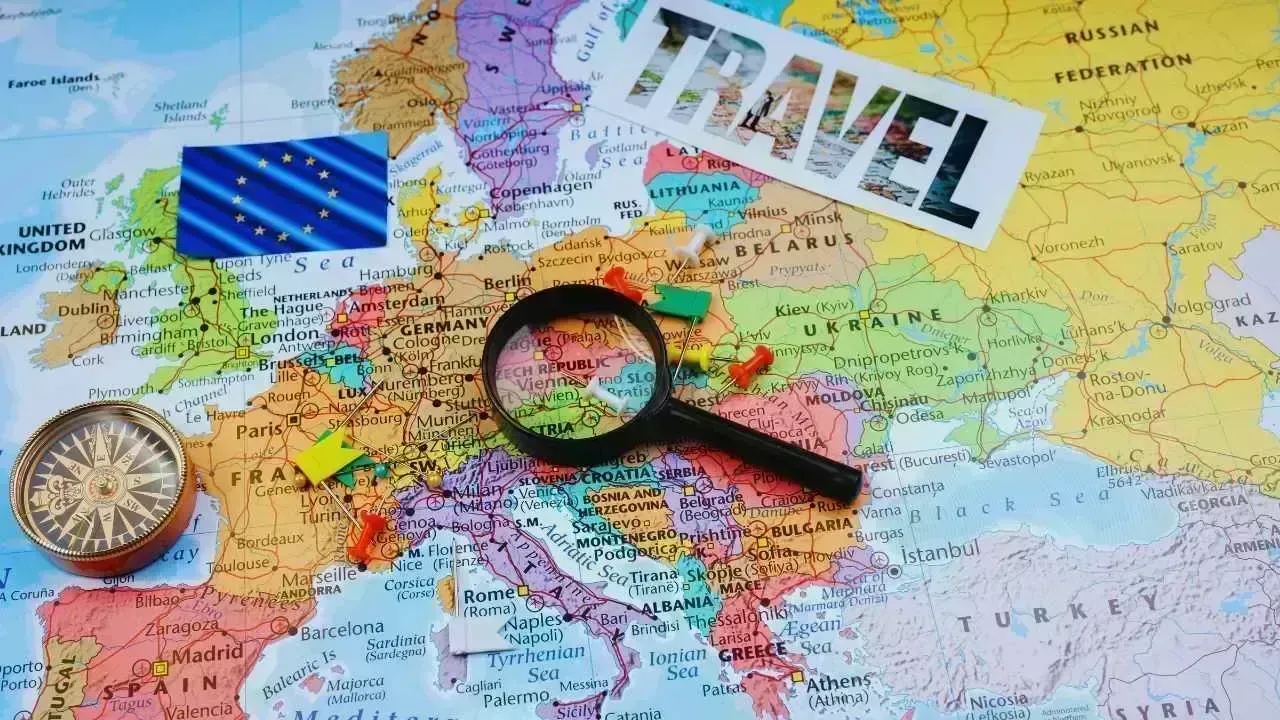
Post by : Anis Farhan
Travel in 2026 looks exciting on the surface — more destinations, easier online bookings, and flexible travel tools. But behind the glossy deals and influencer videos, the reality is far more expensive and complicated. Airfares fluctuate hourly, visa rules change without warning, and hidden charges quietly add up before travellers even reach their destination.
Many travellers assume the biggest expense is the flight ticket. In reality, the most damaging costs come from planning mistakes — errors that don’t feel expensive at the moment but slowly snowball into massive budget overruns. Whether you’re travelling for leisure, work, or long-term stays, avoiding these mistakes can make the difference between a smooth trip and financial stress.
One of the biggest travel myths is that booking early always guarantees cheaper flights. In 2026, airline pricing is driven by algorithms that react to demand, browsing behaviour, seasonality, and even global events. Booking too early or too late can push prices significantly higher.
Airlines now adjust fares multiple times a day. A ticket checked in the morning may cost hundreds more by evening. Travellers who rush bookings without monitoring price patterns often end up paying premium rates.
Track fares for at least two to three weeks before booking. Use price alerts, clear cookies while searching, and avoid booking flights on weekends when prices often spike.
Visa policies in 2026 are stricter and more complex, especially for Europe, the UK, the Middle East, and parts of Asia. Many travellers assume old visa rules still apply — a mistake that can result in denied boarding, last-minute rebookings, or cancelled trips.
Transit visas, biometric requirements, travel authorisations, and digital entry permits have become common. Even visa-free travel may require pre-approval.
Always verify entry and transit rules from official government or embassy sources just before booking. Never rely on outdated blogs or social media advice.
Many travellers either skip travel insurance or buy the cheapest plan available. In 2026, this is a risky move. Flight cancellations, medical emergencies, lost baggage, and extreme weather disruptions are far more common.
Healthcare abroad is expensive, and many countries now require proof of insurance for entry. A minor hospital visit can cost more than the entire trip budget.
Choose insurance that covers medical emergencies, trip cancellations, flight delays, baggage loss, and adventure activities if applicable. Always read exclusions carefully.
Hotel prices often appear attractive until the final bill arrives. Resort fees, city taxes, early check-in charges, late checkout penalties, and service fees can add hundreds to the stay.
Budget accommodations sometimes lack essentials like heating, elevators, or secure storage — leading travellers to spend more elsewhere.
Always read the full pricing breakdown. Check reviews for mentions of hidden charges. Compare final prices, not just base rates.
Airlines in 2026 enforce baggage rules strictly. Overweight luggage fees can cost more than buying a new suitcase at your destination. Budget airlines often charge separately for cabin bags, seat selection, and even boarding passes.
Weigh luggage at home. Understand airline baggage policies before packing. Pack versatile clothing and avoid “just in case” items.
Many travellers focus on flights and hotels but forget local transport. Airport taxis, intercity trains, ride-hailing apps, and tourist passes can quickly drain funds.
Some destinations have expensive last-mile connectivity, forcing travellers into premium transport options.
Research local transport in advance. Check if tourist cards, metro passes, or regional rail passes offer savings.
Using credit cards internationally feels convenient, but foreign transaction fees, dynamic currency conversion, and ATM withdrawal charges can quietly eat into budgets.
Some merchants offer to charge in your home currency — a feature that usually comes with poor exchange rates.
Use cards with zero foreign transaction fees. Always choose to pay in local currency. Carry a mix of cards and limited cash.
Currency values fluctuate due to global events, interest rate decisions, and geopolitical tensions. Exchanging money at airports or tourist areas often comes with poor rates.
Small differences in exchange rates can result in major losses over long trips.
Monitor exchange trends. Exchange money gradually or use international debit cards with low conversion fees.
Travelling during peak season means higher prices, longer queues, sold-out attractions, and inflated food costs. Many travellers choose popular months without realising how much extra they’re paying.
Travel during shoulder seasons when weather is still pleasant but prices are lower. Avoid school holiday periods where possible.
Booking every tour, activity, and attraction in advance may feel organised, but it removes flexibility. Weather changes, fatigue, or delays can lead to missed bookings and non-refundable losses.
Leave buffer days. Pre-book only high-demand attractions. Keep some days flexible for spontaneous exploration.
Fines for dress code violations, photography restrictions, alcohol rules, or traffic laws can be steep in many countries. Tourists are rarely exempt.
Learn basic local laws and customs before arrival. Follow signage and ask hotel staff when unsure.
Travel apps, maps, and bookings depend on internet access. SIM issues, roaming failures, or phone damage can leave travellers stranded.
Download offline maps, store digital copies of documents, and carry power banks. Consider local SIMs or eSIMs.
Small daily expenses — coffee, bottled water, snacks, tips — accumulate fast. Tourist areas often charge significantly more than local neighbourhoods.
Set a daily spending limit. Mix restaurant meals with grocery shopping. Avoid tourist-only dining zones.
Lost passports, medical emergencies, missed connections, or political disruptions can turn trips upside down. Lack of preparation leads to panic spending.
Register with your embassy if needed. Keep emergency contacts, backup funds, and copies of documents accessible.
Travel content often hides real costs — sponsored stays, free upgrades, or edited experiences. Following influencer itineraries blindly leads to unrealistic expectations and overspending.
Research independently. Read traveller forums and multiple reviews instead of relying on curated content.
Travel in 2026 rewards preparation, flexibility, and awareness. The biggest savings don’t come from luxury sacrifices but from avoiding preventable mistakes. Every overlooked detail — from visa rules to baggage weight — has a price attached.
Travellers who plan smartly don’t just save money. They travel with less stress, fewer surprises, and more freedom to enjoy the experience.
The world is open, but it’s also expensive. Planning a trip in 2026 without understanding the new travel landscape is a guaranteed way to overspend. By avoiding these common mistakes, travellers can protect their budgets, travel smarter, and focus on what truly matters — the journey itself.
Disclaimer: This article is intended for general informational purposes only. Travel costs, rules, and policies vary by country and time. Travellers are advised to verify official guidelines and pricing before making travel decisions.









Rabada Misses First Australia Test as South Africa Pick Two Spinners
Kagiso Rabada misses the opener as South Africa vs Australia begins, with Anrich Nortje returning an

Starc Compares Australia's Tough Year to McIlroy's Major Sweep
Mitchell Starc says Australia winning three away Test series and the World Cup would match Rory McIl

France’s Sesterce Plans $11 Billion AI Data Centre in Finland
Sesterce plans a $11 billion AI data centre in Finland, with major expansion, green energy plans and

Danaher to Launch AI-Powered Autonomous Research Lab in 2027
Danaher plans an AI research lab for 2027, combining robotics and automation to speed up drug discov

Musk Welcomes German Support for Tesla Driver Assistance Tech as EU Approval Push Continues
Elon Musk welcomes Germany's backing for Tesla FSD as the company seeks EU approval amid speed, safe

Microsoft and Nvidia CEOs to Unveil AI Laptop at San Francisco Event
Microsoft and Nvidia showcase a new AI laptop with RTX Spark chips as they push powerful local AI co

