You have not yet added any article to your bookmarks!
Join 10k+ people to get notified about new posts, news and tips.
Do not worry we don't spam!

Post by : Meena Ariff
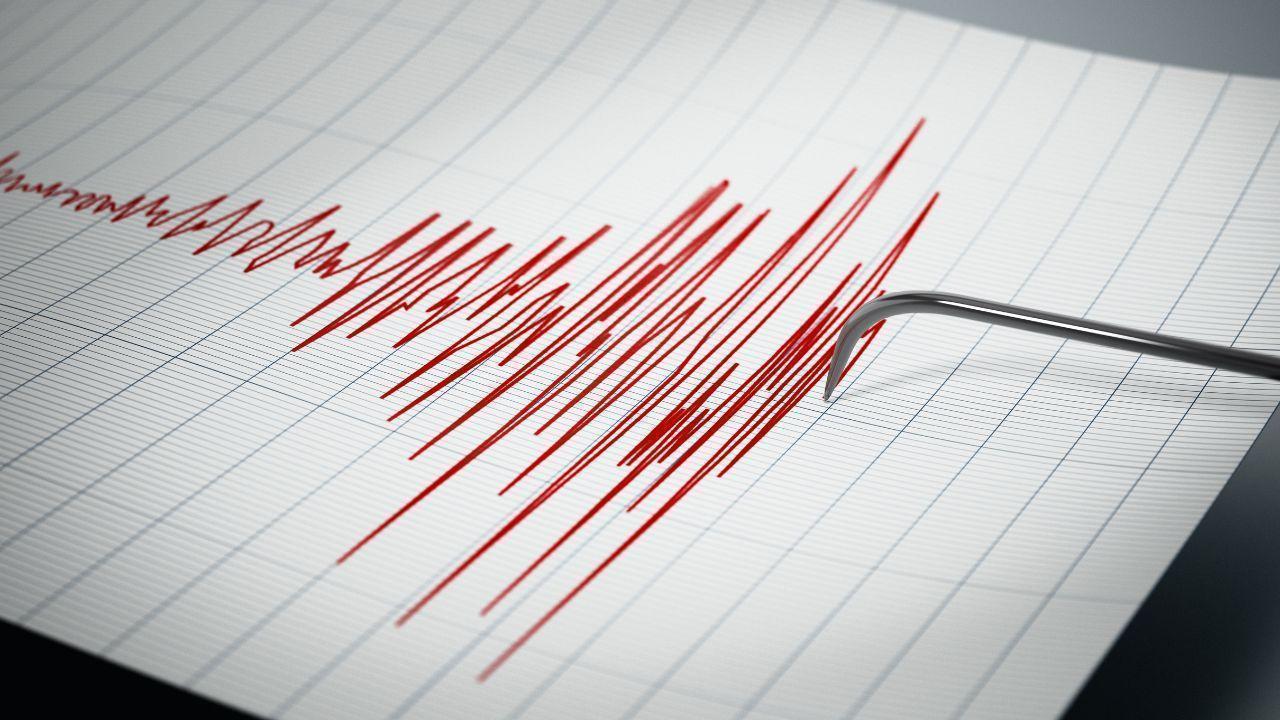
A strong earthquake measuring 6.7 magnitude struck off the coast of Davao Oriental province in the southern Philippines on Wednesday morning, triggering widespread tremors and raising safety concerns among residents.
The earthquake occurred at 11:02 a.m. local time at a depth of 42 kilometers , placing it in the moderately deep seismic range. The epicenter was located around 47 kilometers offshore from the coastal town of Many , causing the tremors to be felt across several parts of the island.
Authorities cautioned that the earthquake could lead to aftershocks and possible structural damage, particularly in communities close to the epicenter . However, initial assessments by local police and disaster response teams indicated that there were no immediate reports of casualties or major damage.
The Philippines has witnessed heightened seismic activity in recent months. On December 22, 2025, a 5.7-magnitude earthquake shook waters near the country, with a shallow depth of 10 km, increasing the intensity felt at the surface. Earlier, in October 2025, a devastating 6.9-magnitude earthquake struck the central Philippines, causing widespread destruction, loss of lives, and power outages across several areas.
That earlier quake originated near BOGO City in Cebu province and occurred at a very shallow depth of about five kilometers , intensifying its impact. A tsunami warning was initially issued as a precaution but was later withdrawn after monitoring confirmed that no hazardous sea waves had formed.
The Philippines is among the most earthquake-prone countries in the world due to its location along the Pacific Ring of Fire, a vast zone known for frequent earthquakes and volcanic eruptions. The region is shaped by the continuous movement and collision of major tectonic plates.
Seismic activity in the country is driven primarily by interactions between the Philippine Sea Plate and the Eurasian Plate. Along the eastern boundary, the Philippine Sea Plate is subducted beneath the Philippine Microplate at the Philippine Trench,
while on the western side, the Eurasian Plate descends beneath the islands along the Manila Trench and Negros Trench.
This rare double subduction zone generates enormous underground pressure, significantly increasing the likelihood of powerful earthquakes. Experts explain that while Wednesday’s earthquake was triggered by a local fault, the underlying stress from converging tectonic plates continues to make the Philippines highly vulnerable to strong seismic events.








Japan Marks 15 Years Since Earthquake and Tsunami
Nation observes moment of silence as thousands remember victims of the 2011 triple disaster that res

Six Dead After Bus Fire Near Bern in Switzerland
Regional PostBus vehicle catches fire near Kerzers, triggering investigation by Swiss authorities

China Exports Surge Despite Trump Tariffs
Strong global demand for electronics and manufactured goods pushes China’s exports higher despite ri

Australian Designer Wins Trademark Case vs Katy Perry
Australia’s High Court rules fashion designer’s Katie Perry clothing brand does not infringe on the

China-North Korea Passenger Train Service Resumes
Beijing–Pyongyang and Dandong–Pyongyang rail links restart as the two countries restore travel conne

G7, IEA Urge Coordinated Oil Reserve Release as Prices Surge
G7 finance chiefs and IEA urge coordinated release of emergency oil reserves as Middle East tensions