
You have not yet added any article to your bookmarks!
Join 10k+ people to get notified about new posts, news and tips.
Do not worry we don't spam!
Post by : Anis Farhan
Basant Panchami, also known as Vasant Panchami or Saraswati Puja, is among the most culturally rich and spiritually profound festivals in India. It heralds the arrival of spring — the season of renewal, growth, and vibrant life — while simultaneously honoring Goddess Saraswati, revered as the deity of wisdom, learning, music, and the arts.
In 2026, Basant Panchami falls on Friday, January 23, with the Panchami Tithi beginning in the early hours of the day and extending into the next morning, creating an auspicious window for devotees to perform Saraswati Puja.
Across India and the diaspora, this festival blends spiritual devotion with cultural expression — from classrooms and temples to kite-strewn skies and yellow-adorned streets. Its multifaceted traditions make Basant Panchami a celebration of knowledge, creativity, and the vibrant promise of spring.
Basant Panchami’s origins are deeply linked to the rhythms of the natural world and ancient Hindu lore. The festival takes place on the fifth day (Panchami) of the bright fortnight of the Hindu month of Magha, coinciding with late January or early February in the Gregorian calendar.
The term Basant (or Vasant) means spring, and Panchami signifies the fifth day of the lunar fortnight. In this sense, Basant Panchami symbolizes the beginning of the spring season — a time when nature reawakens after winter’s dormancy and colors, warmth, and life return with renewed vigor.
From antiquity, this festival has been associated with stories and rituals honoring Goddess Saraswati, believed to bestow wisdom, eloquence, art, and music upon devotees. Legends tie the day to Saraswati’s manifestations and to mythological narratives that celebrate the flowering of knowledge and creative energy as spring unfolds.
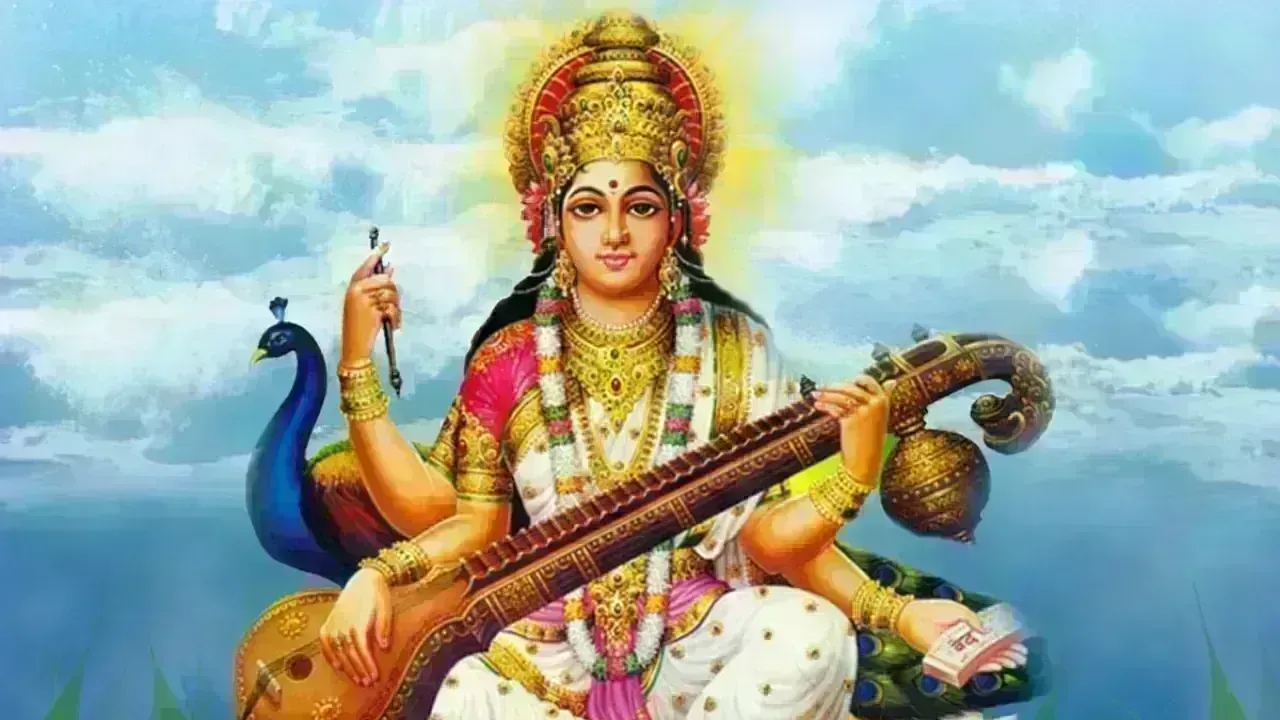
Goddess Saraswati occupies a central place in Hindu spirituality and cultural consciousness. She is depicted as a serene, radiant figure with four hands — each symbolizing important facets of life: intellect, wisdom, creativity, and spiritual insight. In her hands are the Vedas, representing knowledge; a veena, symbolizing music and arts; a rosary of meditation and spiritual learning; and a pot of water, signifying purity and flow of consciousness.
Devotees believe that seeking her blessings on Basant Panchami, particularly through the Saraswati Puja ritual, brings clarity of thought, strength of purpose in education, and success in both artistic and scholarly pursuits.
In many traditions, especially among families with young children, Basant Panchami is also considered an auspicious time for initiation into learning — a ceremony where children are encouraged to write their first letters or begin their academic journey under the goddess’s benevolent gaze.
In 2026, Basant Panchami falls on January 23, a date confirmed by traditional Hindu lunar calendars and religious almanacs. The Panchami Tithi will begin at 2:28 AM on January 23 and conclude at 1:46 AM on January 24, aligning with the most auspicious period for worship and celebration.
The muhurat (auspicious timing) for performing the Saraswati Puja on this day is observed in the morning hours — a time when rituals, prayers, and offerings are traditionally believed to yield the greatest spiritual benefit.
This precise alignment of date and tithi underlines the festival’s deep connection with the lunar calendar and the rhythms of Hindu cosmology, reinforcing the sense of spiritual sanctity associated with the occasion.
A defining feature of Basant Panchami celebrations is the vibrant embrace of the color yellow. From clothing and food to flowers and decorations, yellow — the color of mustard blooms and spring sunshine — dominates the festive palette.
Yellow is considered symbolic of knowledge, prosperity, joy, and the warmth of spring — attributes that align with the spirit of Saraswati Puja. Devotees wear yellow attire, decorate homes and temples with yellow flowers, and prepare yellow foods such as saffron rice, besan sweets, and other seasonal dishes to honor the goddess and invite her blessings.
This emphasis on yellow also reflects cultural beliefs that vibrant colors invite positive energies, brighten human consciousness, and echo the blossoming of nature after winter.
Rituals associated with Basant Panchami and Saraswati Puja span domestic, educational, and communal spaces. In temples and households, devotees set up idols or images of Goddess Saraswati, adorn them with garlands, and place books, musical instruments, and tools of learning before the deity as symbolic offerings.
Students, teachers, artists, and musicians participate in special prayers and seek the divine grace of Saraswati for academic success and artistic growth. Schools and colleges often organize festive assemblies and cultural programs where students sing, dance, or recite prayers dedicated to knowledge and creativity.
In some regions, families practice Vidya-Arambh or the initiation of education, especially for younger children. This ritual marks the beginning of formal learning and is considered deeply auspicious when conducted on Basant Panchami.
In states like West Bengal, Assam, Bihar, and Odisha, Basant Panchami and Saraswati Puja hold enormous cultural resonance. Communities in these regions often celebrate the festival with elaborate rituals, deep devotional expressions, and organized community gatherings.
In West Bengal, for example, schools and colleges host grand Saraswati Puja events that blend religious rituals with artistic performances, reflecting the state’s cultural affinity for literature, music, and art.
In parts of Punjab and northern India, Basant Panchami is also associated with kite flying, a vibrant outdoor celebration that symbolizes the joyous spirit of spring. The skies fill with colorful kites, and communities engage in friendly competitions, adding a recreational dimension to the festival.
This kite-flying tradition connects cultural celebration with seasonal change, embodying the collective joy of welcoming warmer days and brighter horizons.
At its core, Basant Panchami is a celebration of knowledge and wisdom, encompassing not just formal education but the creative and intellectual spirit of humanity. Saraswati, as the goddess of learning, is revered by students striving for academic excellence, artists seeking creative inspiration, musicians desiring harmony of expression, and scholars pursuing deeper insight.
On this day, devotees reflect on the importance of intellectual vitality, artistic expression, and the continuous pursuit of understanding — qualities that form the bedrock of personal and societal growth.
Beyond spiritual devotion, Basant Panchami symbolizes renewal and transformation. Spring represents a time of awakening — when nature bursts forth with new life after winter’s stillness. Similarly, the festival inspires individuals to embrace change, seek fresh beginnings, and approach life with optimism and renewed vigor.
This seasonal significance also makes Basant Panchami a popular time for commencing new ventures, initiating academic journeys, or planning life milestones, as devotees believe that actions begun under Saraswati’s blessings and the auspicious timing of spring will flourish with success.
In contemporary India, Basant Panchami is both a spiritual observance and a vibrant cultural festival that brings communities together. Beyond traditional rituals, many urban neighborhoods, housing societies, and cultural organizations host collective Saraswati Puja events that blend devotion with artistic performances, poetry recitals, music shows, and family gatherings.
These gatherings create platforms for cultural exchange, storytelling, and shared joy, making Basant Panchami not only a moment to honor the goddess of knowledge but also an avenue for fostering community bonds and intergenerational participation.
Basant Panchami — as Saraswati Puja — remains a timeless celebration where spiritual devotion, cultural expression, and the jubilant arrival of spring converge. Whether through heartfelt prayer, scholarly pursuit, artistic expression, or the joyous color-filled skies of kite flying, the festival continues to inspire millions across India and beyond.
As devotees gather to seek Goddess Saraswati’s blessings for wisdom, creativity, and success, Basant Panchami reaffirms the enduring value of knowledge in every sphere of life and reminds us that learning, like spring, is a continuous and renewing journey.
Disclaimer: This article is intended for informational and cultural understanding. Traditions and practices associated with Basant Panchami and Saraswati Puja may vary across different regions and communities.










PM Modi Pays Tribute to Mahatma Gandhi, Urges People to Support Khadi
PM Modi pays tribute to Mahatma Gandhi on Gandhi Jayanti and urges citizens to support Khadi and the

Amazon Seeks to Offload $8 Billion in Nvidia Chips to Investors
Amazon plans to move $8 billion in Nvidia chips to investors, using a new financing model to strengt

Samsung Raises Galaxy S26 Prices as Memory Chip Costs Rise
Samsung raises Galaxy S26 prices in South Korea as rising memory chip costs put pressure on smartpho

Lewis Hamilton Calls Singapore Grand Prix One of F1's Toughest Races
Lewis Hamilton discusses the demanding Singapore Grand Prix and brings Plus44 and Almave to Singapor

Denmark's Pandora Opens World's Largest Jewellery Factory in Vietnam
Pandora opens its largest jewellery factory in Vietnam, expanding global production, strengthening s

Gautam Gambhir Questions Batting-Friendly Pitches After India's Record ODI Chase
Gautam Gambhir questions batting-friendly ODI pitches after India’s record chase, calling for a bett

