You have not yet added any article to your bookmarks!
Join 10k+ people to get notified about new posts, news and tips.
Do not worry we don't spam!
Post by : Anis Farhan
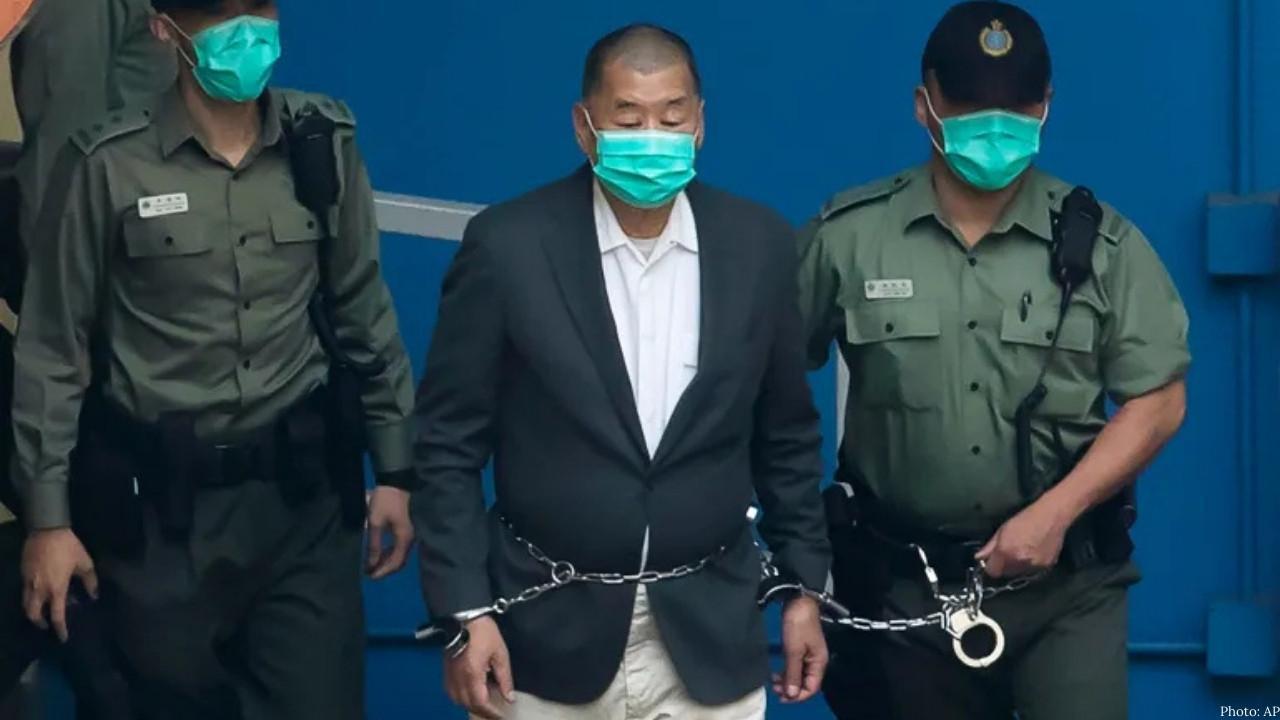
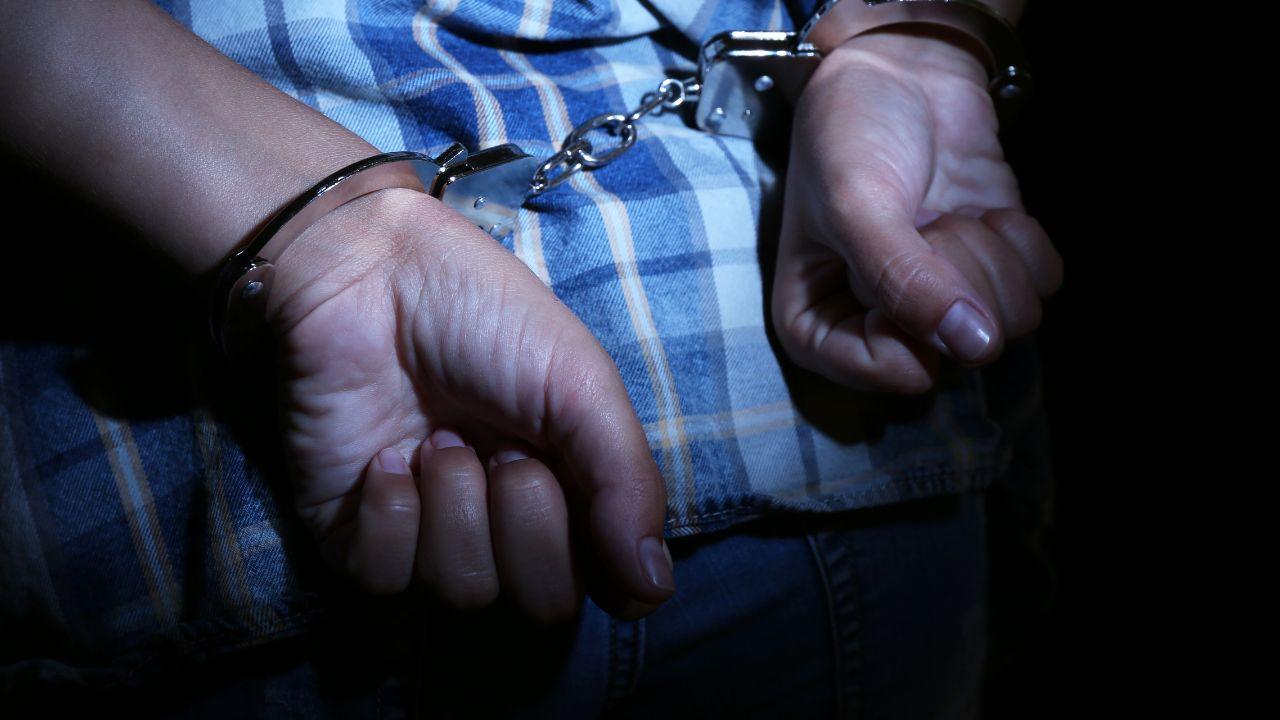
Hong Kong’s High Court has imposed a 20-year prison sentence on pro-democracy media tycoon Jimmy Lai, delivering what observers describe as one of the most severe rulings under the city’s national security law. The sentence, announced on 9 February 2026, caps a legal saga that has spanned nearly five years since Lai’s initial arrest in August 2020 amid wider pro-democracy protests.
The 78-year-old Lai — founder of the now-shuttered Apple Daily newspaper — was convicted in December 2025 on multiple charges, including conspiracy to collude with foreign forces and conspiracy to publish seditious materials. The court held that his actions posed serious threats to national security, and enhanced his penalty on the basis that he was the “mastermind” behind alleged collusion schemes.
The national security law, imposed by Beijing on Hong Kong in 2020, criminalises acts such as secession, subversion, collusion with foreign forces, and sedition — offences that carry penalties ranging from 10 years’ imprisonment to life for the gravest conduct.
Lai’s convictions stem from alleged efforts — through Apple Daily and associated networks — to solicit foreign intervention and support sanctions against Hong Kong and Chinese authorities. Prosecutors presented editorial content and communications as part of their case, framing them as acts of collusion and sedition. Lai has consistently denied the charges, asserting in court that he is a “political prisoner” subjected to persecution for his beliefs.
In addition to Lai’s sentence, six former senior executives from Apple Daily and other co-defendants received varied prison terms — ranging from roughly six years and three months to ten years — reflecting their cooperation or guilty pleas in the case.
The ruling has triggered widespread condemnation from international human rights organisations and political leaders. Critics describe the sentence as “cruel and profoundly unjust,” warning that it amounts to a de facto life term given Lai’s advanced age and deteriorating health, including heart palpitations and high blood pressure. Human Rights Watch warned the sentence is “effectively a death sentence,” while press freedom organisations view it as a severe blow to media independence in Hong Kong.
Foreign governments have also voiced concern. The British government — citing Lai’s dual British citizenship — raised his case directly with Chinese leadership in recent diplomatic engagements. Similarly, U.S. officials continue to press for humanitarian considerations, highlighting broader anxieties over civil liberties under the national security framework.
Hong Kong authorities, supported by Beijing, have defended the verdict as a legitimate application of the law designed to protect sovereignty and social order. Officials argue the sentence reflects the seriousness of threats to national security, asserting that the judicial process was fair and in accordance with legal standards. They dismiss external criticism as foreign interference in domestic affairs.
Lai became a central figure in Hong Kong’s pro-democracy movement through his media enterprises, most notably Apple Daily — a newspaper known for its outspoken editorial stance and large readership. The outlet faced increasing pressure from authorities after the national security law took effect, culminating in asset freezes, police raids, and the eventual suspension of publication in June 2021.
His arrest in 2020 marked the beginning of an extended legal battle that saw multiple charges and prosecutions. Critics across the world argue Lai’s case symbolises a shrinking space for dissent and critical journalism in Hong Kong, challenging the city’s once-robust press freedoms.
The sentencing of Jimmy Lai has deepened fears among foreign diplomats and rights advocates that Hong Kong’s autonomy and civil liberties are being steadily eroded. Governments including the United Kingdom, Australia, and other Western states have publicly criticised the ruling and expressed concerns for the future of free expression in the city.
Some international figures have called for humanitarian release or negotiated diplomatic solutions, citing the risk to Lai’s health and the broader implications for legal and human rights norms. These calls underscore the geopolitical resonance of what was once a local trial, illustrating how domestic legal actions can reverberate across international relations.
Since the enactment of the national security law, numerous activists, journalists, and critics have been arrested and convicted under its provisions, significantly altering Hong Kong’s public sphere. Critics argue the law’s broad definitions and stringent penalties have chilled political activism and independent reporting, with many observers linking these developments to the territory’s changing governance landscape.
Supporters of the law, including Beijing and its allies, maintain it has restored stability and deterred secessionist threats that emerged during the intense protests of 2019–2020, emphasising order and national sovereignty.
The sentencing of Jimmy Lai to 20 years in prison marks a pivotal juncture in Hong Kong’s evolving legal and civil liberties environment. As one of the most high-profile figures prosecuted under the national security law, Lai’s conviction and lengthy sentence have generated global debate about the balance between national security and freedom of expression.
This case not only closes a long-running legal chapter for Lai but also signifies broader shifts in how dissent and media independence are treated in one of Asia’s most cosmopolitan cities. The consequences of this ruling will likely continue to shape discourse on human rights, journalism, and international diplomacy in the years ahead.
Disclaimer: This article has been prepared using verified news sources and public domain information on recent developments in Hong Kong’s legal proceedings. It aims to provide a comprehensive overview of Jimmy Lai’s sentencing and its wider context.



George Russell Wins Dutch GP Sprint, Boosts Mercedes Morale
George Russell wins the Dutch GP Sprint from pole as Mercedes teammate Kimi Antonelli extends his F1

Australia 50/3 After Bangladesh Bowled Out for 64 in Second Test
Australia reached 50/3 after Bangladesh were bowled out for 64 in the second Test, with Mitchell Sta

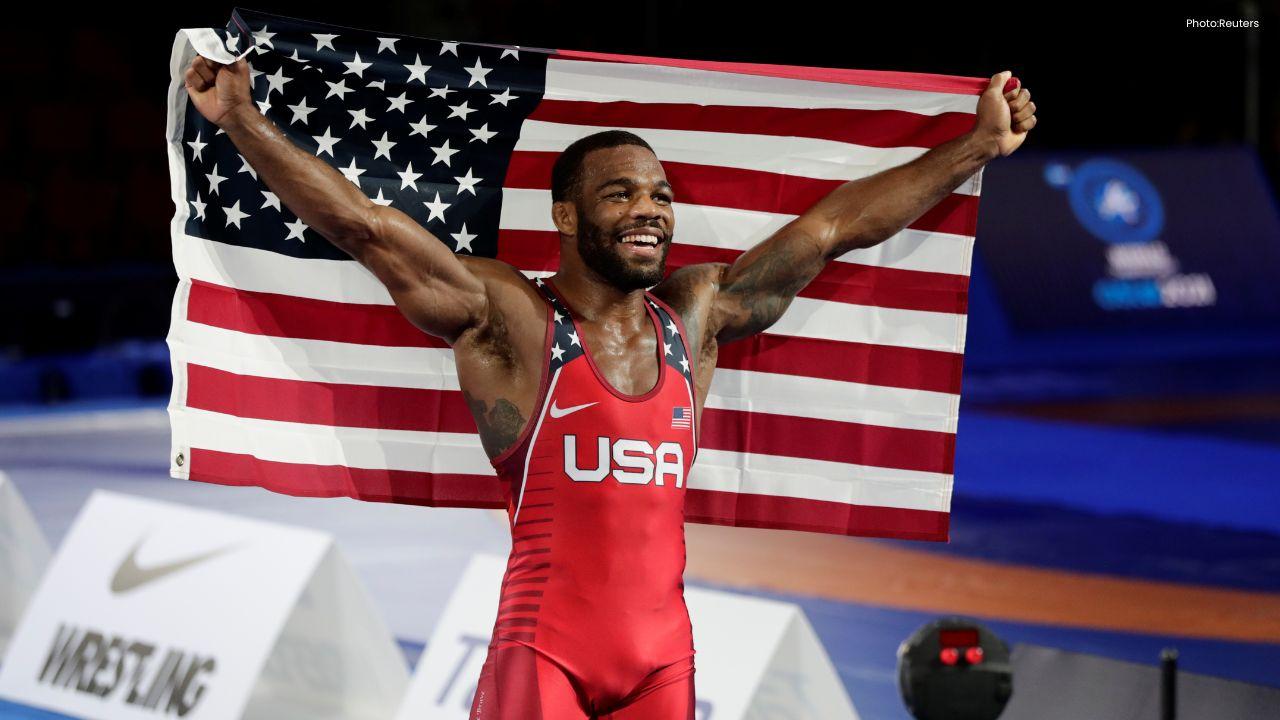
Jordan Burroughs Returns to Wrestling with 2028 Olympic Dream
Jordan Burroughs returns to wrestling with Real American Freestyle as the Olympic champion eyes a po
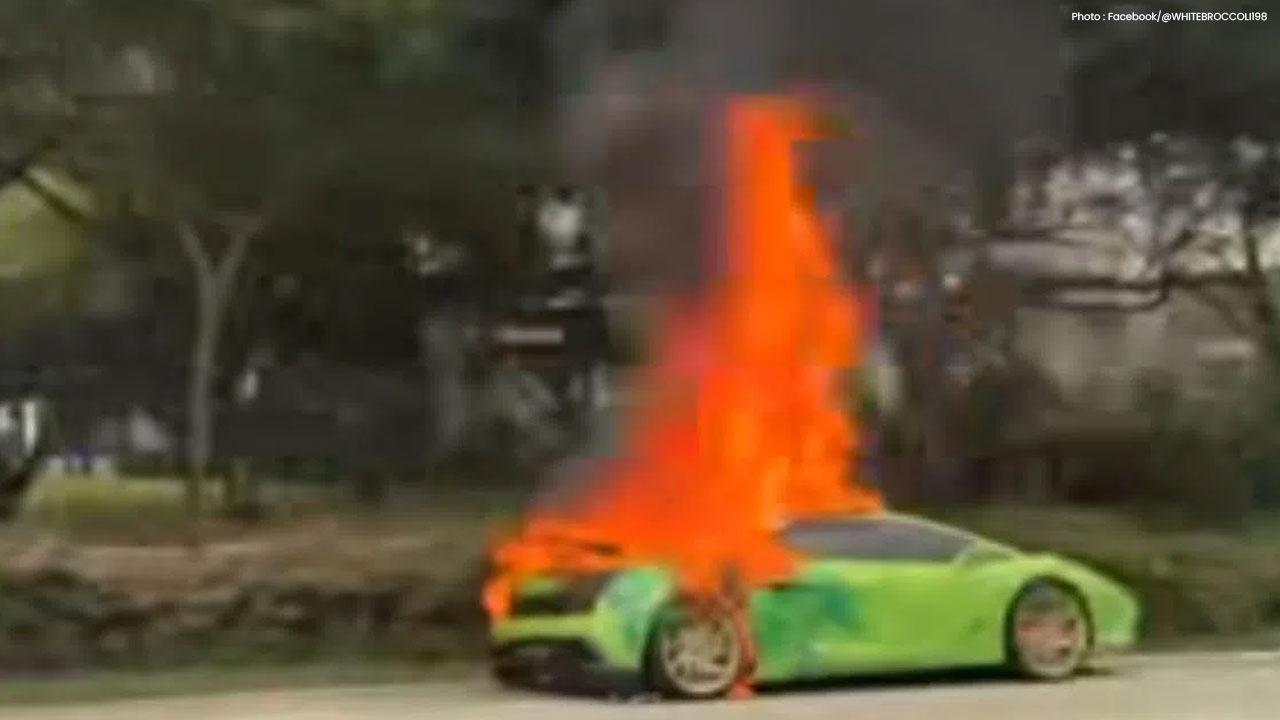
Lamborghini Catches Fire on Singapore's ECP, Causing Heavy Traffic
A Lamborghini caught fire on Singapore's ECP, causing heavy traffic and bus delays. No injuries were

Bangkok Airport Duty-Free Area Flooded by Pipe Burst
A burst water pipe flooded the duty-free shopping area at Bangkok's Suvarnabhumi Airport on July 16,
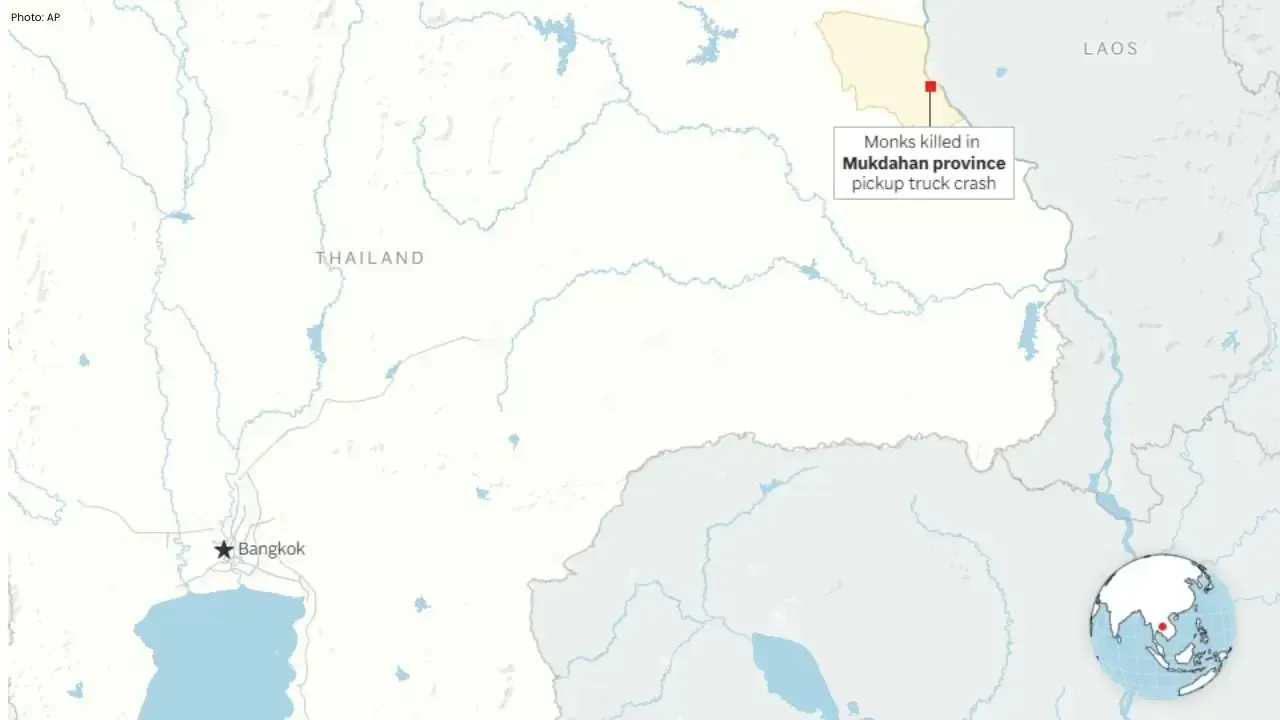
Nine Monks Killed in Thailand Pickup Truck Tragedy
An 11-year-old boy driving a pickup truck crashed into monks during a pilgrimage in northeastern Tha