
You have not yet added any article to your bookmarks!
Join 10k+ people to get notified about new posts, news and tips.
Do not worry we don't spam!
Post by : Anis Farhan
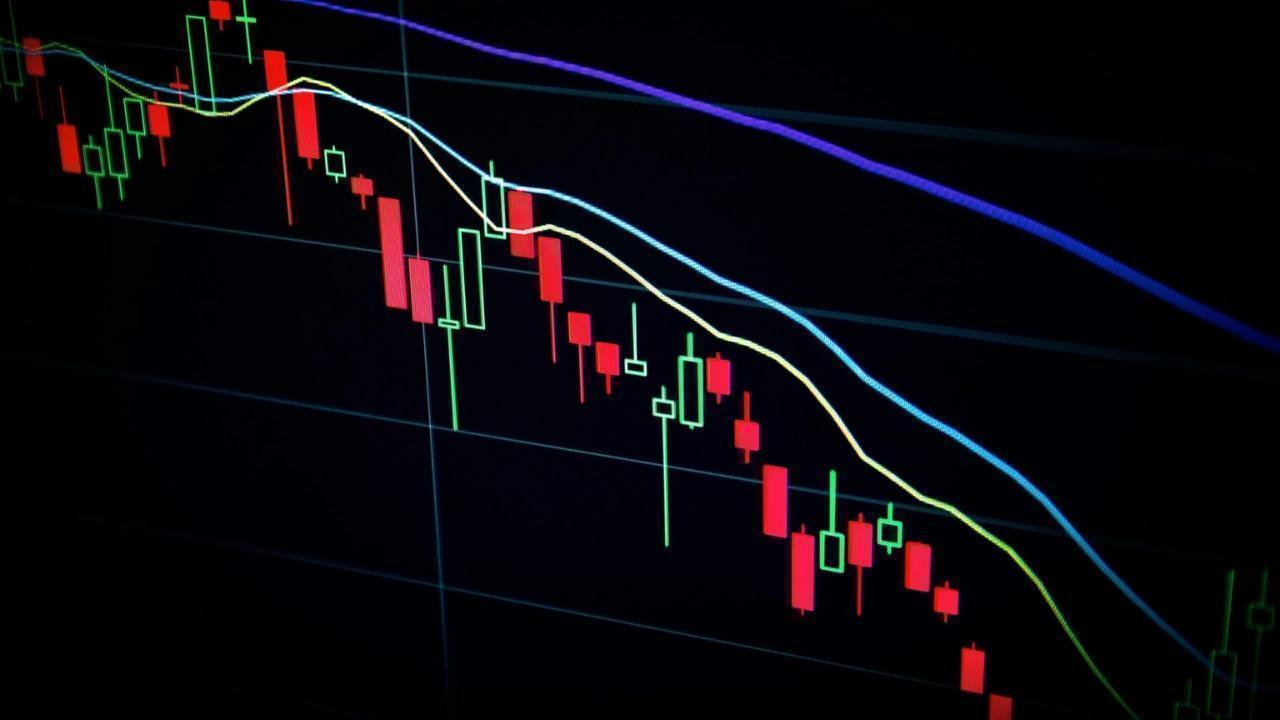
The global cryptocurrency market experienced a sharp downturn in early February 2026, with total market capitalization plunging by nearly $467.6 billion in under a week — one of the most substantial losses in recent memory. The rout has been led by a steep decline in Bitcoin, the flagship digital asset, and has rippled across most major tokens, pushing prices to multi-month lows and shaking investor confidence worldwide.
This massive sell-off unfolded against a backdrop of rising geopolitical tensions, broader risk-off sentiment in global financial markets, and surging fear among traders who have increasingly treated cryptocurrencies as sensitive to shifts in macroeconomic conditions.
Bitcoin — long considered the barometer of the crypto market — saw significant losses during the recent downturn. At one point, the price dipped below $73,000, its lowest level in roughly 15 months, before briefly rebounding. Over the course of the week, Bitcoin’s valuation fell by more than 13 % year-to-date and approximately 39 % from its peak in October 2025.
This slide undermined the narrative that Bitcoin can act as a “digital gold” — a safe-haven asset akin to precious metals — because it lagged behind traditional hedges such as gold and silver in times of heightened uncertainty.
Data from CoinGecko indicated that total cryptocurrency market value decreased by nearly half a trillion dollars in just a few days. This drop was one of the fastest contractions seen in recent years and affected a broad range of digital assets, not just Bitcoin.
The scale and speed of this correction highlighted how swiftly sentiment in crypto markets can shift from optimism to deep fear — especially during periods of intensified global risk aversion.
One key factor driving the sell-off has been rising geopolitical tensions, particularly heightened concerns related to US-Iran relations. Such developments have pushed many investors away from riskier assets — including cryptocurrencies — toward perceived safe havens like government bonds and precious metals.
When geopolitical stress increases, traditional financial assets often react with mixed performance, but what was notable in this case was that Bitcoin failed to attract safe-haven flows, a fact that has challenged some narratives around its investment utility.
Global markets have shown signs of risk aversion across multiple asset classes. Sell-offs in equities, pressures on interest rates, and volatility in commodities have all contributed to a mood of caution. As a result, leveraged positions in crypto were unwound rapidly, adding to downward price pressure and fuelling forced liquidations in futures markets.
Market analysts noted that investor risk appetite declined significantly, pushing many traders to reduce exposure to volatile digital assets and move into more conservative positions.
Despite growing institutional interest in cryptocurrencies over recent years, the market’s inherent volatility remains a defining feature. Analysts pointed out that the belief in Bitcoin’s safe-haven properties may have been overstated, as its price action continued to resemble speculative assets rather than traditional hedges.
Remarks from noted investors and industry figures during this period further underscored skepticism about Bitcoin’s hedging capability, with some arguing that it has not demonstrated resilience in stress conditions.
Bitcoin, as the most dominant crypto, set the tone for the broader market’s decline. Having peaked above $126,000 in October 2025, its subsequent fall nearly halved its value before the February rout intensified losses.
Altcoins also saw significant declines. Since early in the year, the total crypto market cap dropped by nearly $467.6 billion, indicating sell-off pressure across a wide range of tokens, including Ethereum, BNB, XRP and others.
While some coins experienced brief rebounds, overall trading activity remained characterized by downward momentum and elevated volatility.
Crypto markets are especially sensitive to sentiment dynamics. When prices drop sharply, panic selling can accelerate declines as traders rush to cut losses, triggering automated liquidations and amplifying downward pressure. In this episode, market sentiment shifted into what analysts described as “extreme fear”, a phase where many investors prefer opting out of risk entirely.
This sentiment shift is often reflected in volatility indexes and social sentiment metrics, which track trader behavior and confidence levels. These indicators turned negative as prices slid and risk aversion set in.
Institutional participation in crypto has increased in recent years through vehicles like spot Bitcoin ETFs and corporate holdings. However, during the recent sell-off, even institutional flows appeared hesitant to act as stabilizing forces, as investors collectively reduced exposure in response to broader market signals.
Retail investors, who often exhibit herding behavior, contributed to increased sell pressure as panic spread through trading platforms and social media forums.
The crypto rout didn’t occur in isolation. It coincided with volatility in other financial markets — including equities and commodities — which amplified the overall risk-off sentiment. Traditionally, diversified portfolios might mitigate such correlations, but recent market conditions have shown tighter coupling between crypto and broader risk assets.
This increased correlation suggests that crypto-intensive investors could be more exposed to global macro forces than previously assumed.
Episodes of significant market stress often reignite discussions around cryptocurrency regulation and investor protection. Regulators in several jurisdictions are likely to review frameworks governing digital assets, particularly around market transparency, leverage exposure, and custodial standards.
Institutional investors, too, may re-evaluate the risk profile of crypto assets within their broader portfolios, weighing volatility against long-term strategic goals.
While the current rout is unusually severe in its speed and depth, it is not unprecedented. Past crypto downturns — such as the 2022 collapse triggered by the FTX bankruptcy — have had lasting effects on market confidence and valuation.
The 2022 FTX bankruptcy significantly eroded trust in centralized exchanges and highlighted systemic risks within crypto markets. The memory of such events can influence investor behavior in times of renewed stress.
Similarly, historical sell-offs often correlated with broader economic downturns or geopolitical events have shown that crypto markets react strongly to external shocks.
Market analysts suggest several possible paths forward, ranging from gradual stabilization if risk assets recover, to continued volatility if macro uncertainty persists. A rebound could occur if investors regain confidence or if global risk sentiment improves.
Some investors believe that once prices approach key technical support levels, value buyers may emerge, reducing downward pressure and establishing a base for recovery.
Another potential outcome involves increased regulatory clarity that could help strengthen market infrastructure and investor safeguards. Such frameworks might reduce panic selling and improve confidence in the long term.
Institutional engagement, if sustained with improved risk controls, could also provide a counterbalance to retail-driven volatility.
Disclaimer: This article is for informational purposes only and does not constitute investment advice. Cryptocurrency markets are highly volatile and speculative. Readers should conduct their own research or consult a financial advisor before making investment decisions.










PM Modi Pays Tribute to Mahatma Gandhi, Urges People to Support Khadi
PM Modi pays tribute to Mahatma Gandhi on Gandhi Jayanti and urges citizens to support Khadi and the

Amazon Seeks to Offload $8 Billion in Nvidia Chips to Investors
Amazon plans to move $8 billion in Nvidia chips to investors, using a new financing model to strengt

Samsung Raises Galaxy S26 Prices as Memory Chip Costs Rise
Samsung raises Galaxy S26 prices in South Korea as rising memory chip costs put pressure on smartpho

Lewis Hamilton Calls Singapore Grand Prix One of F1's Toughest Races
Lewis Hamilton discusses the demanding Singapore Grand Prix and brings Plus44 and Almave to Singapor

Denmark's Pandora Opens World's Largest Jewellery Factory in Vietnam
Pandora opens its largest jewellery factory in Vietnam, expanding global production, strengthening s

Gautam Gambhir Questions Batting-Friendly Pitches After India's Record ODI Chase
Gautam Gambhir questions batting-friendly ODI pitches after India’s record chase, calling for a bett

