You have not yet added any article to your bookmarks!
Join 10k+ people to get notified about new posts, news and tips.
Do not worry we don't spam!
Post by : Samjeet Ariff
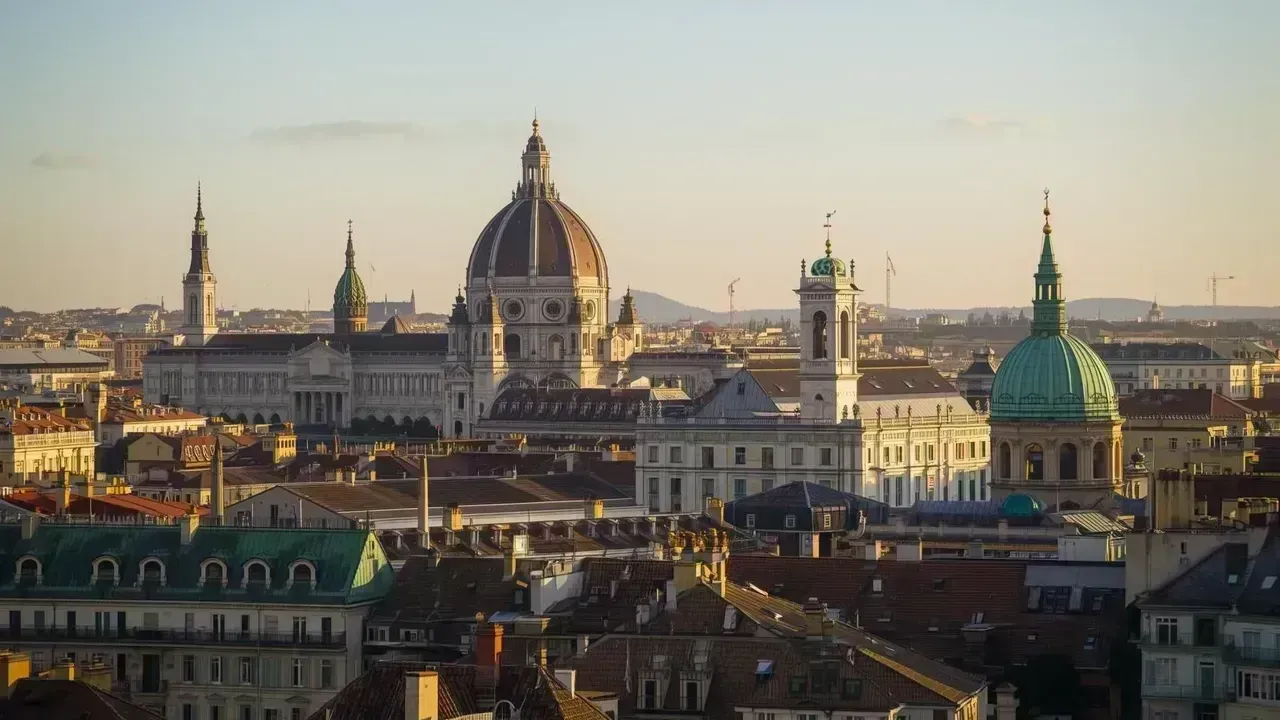
Planning a trip to Europe can seem daunting, but a well-structured 10-day European itinerary is achievable with clear financial insights. This guide delineates specific expense categories, realistic price points, and effective budgeting strategies, ensuring travelers understand where their funds are allocated. Rather than indulging in either luxury or extreme budget travel, the focus is on creating a comfortable and cost-effective European experience that caters to both novices and experienced travelers.
In order to maintain a practical overview, this breakdown presumes:
Mid-tier hotels or good-quality budget accommodations
Economy-class flights
Public transport including trains
A blend of free sightseeing and paid attractions
Casual dining with occasional restaurant meals
This represents a well-rounded European itinerary, avoiding both extremes of budget and luxury.
This cost framework is modeled around an efficient travel route:
Paris (France)
Amsterdam (Netherlands)
Rome (Italy)
Florence (Italy)
Barcelona (Spain)
These cities are well-connected, showcasing iconic attractions with varying costs.
For travelers based in Asia, the Middle East, or Africa:
Economy round trip: ₹45,000–₹70,000
Prices vary significantly based on booking timings, seasons, and the city of departure.
High-speed rail: ₹3,000–₹8,000 per segment
Budget carriers: ₹2,500–₹6,000 per flight
Estimated internal travel costs during the 10 days: ₹18,000–₹25,000
Visa charge: ₹7,500–₹8,000
Processing fees and biometrics: ₹2,000–₹3,000
Coverage for 10–12 days: ₹1,200–₹2,000
Total for visa and documentation: ₹11,000–₹13,000
Accommodation represents the biggest manageable cost.
Nightly rate (shared or small private room): ₹5,000–₹7,000
Nightly costs: ₹8,000–₹12,000
Average expenditure for 10 nights: ₹70,000–₹95,000
Opting for accommodations slightly outside city hubs can considerably lower costs while maintaining connectivity.
Food costs fluctuate greatly based on preferences.
Bakeries, street food, supermarkets: ₹700–₹1,000 per meal
Casual dining: ₹1,500–₹2,500
Average daily food expenses:
Budget-conscious traveler: ₹2,000–₹2,500/day
Comfort-seeking traveler: ₹3,000–₹3,500/day
Total food cost for 10 days: ₹20,000–₹35,000
European public transport is both reliable and reasonably priced.
Metro/bus passes: ₹600–₹1,200 each day
Short rides: ₹800–₹1,500
Total transportation expenses for 10 days: ₹7,000–₹10,000
Walking not only saves money but also enriches the travel experience.
Not all attractions carry hefty fees.
Historic streets
Churches
Public squares
Museums on free-entry days
Eiffel Tower: ₹2,000–₹2,500
Louvre Museum: ₹1,800–₹2,200
Colosseum & Roman Forum: ₹2,000–₹2,500
Vatican Museums: ₹2,500–₹3,000
Sagrada Familia: ₹2,500–₹3,000
Overall sightseeing budget: ₹15,000–₹22,000
Shopping depends on personal style.
Magnets, postcards, small gifts: ₹2,000–₹4,000
Clothing, cosmetics, accessories: ₹5,000–₹10,000
Suggested shopping budget: ₹5,000–₹12,000
Avoid impulse purchases in tourist-heavy areas.
10–15 days data plan: ₹1,500–₹2,500
Though free Wi-Fi is common, a SIM card ensures uninterrupted navigation.
Unexpected expenses often crop up.
Luggage storage
Public restrooms
Tips
Emergency snacks
Price variations
Recommended buffer: ₹5,000–₹8,000
Flights: ₹45,000
Visa & insurance: ₹11,000
Accommodation: ₹70,000
Meals: ₹20,000
Transport: ₹7,000
Sightseeing: ₹15,000
Miscellaneous: ₹5,000
Total: ₹1,73,000 approx
Flights: ₹65,000
Visa & insurance: ₹13,000
Accommodation: ₹90,000
Meals: ₹30,000
Transport: ₹10,000
Sightseeing: ₹22,000
Miscellaneous: ₹8,000
Total: ₹2,38,000 approx
Book flights at least 8–12 weeks in advance
Travel in the shoulder season (March–May, September–November)
Utilize trains over last-minute flights
Choose accommodations outside city centers
Limit yourself to one restaurant meal per day
Make selective use of city passes
Although Europe isn't the cheapest destination, it offers predictability and transparency. With the right planning, visitors can manage their expenses effectively without compromising their experiences. A common pitfall is underestimating daily costs.
Traveling to Europe can incur high costs if decisions are made impulsively. However, with proper planning, a 10-day travel plan to Europe is manageable without resorting to luxury. Understanding the costs helps travelers plan with confidence and less anxiety.
The costs listed are estimates and may fluctuate based on season, booking periods, currency exchange rates, and individual travel choices. This article serves as a general guide for planning.





AI Companies Expected to Drive Most US Earnings Growth in Q3
AI companies are expected to drive US third-quarter earnings growth as investors assess tech profits

Money Market Funds See Record Inflows as Global Bond Selloff Intensifies
Global money market funds attract $153.81 billion as bond yields rise, inflation fears persist and i

Meta Bans TikTok Ads on Facebook and Instagram in Seven Countries
Meta has banned TikTok ads in seven countries, escalating competition over social media users, adver

ASML and Zeiss Target Next-Generation Chip Technology in 10 Years
ASML and Carl Zeiss are developing Hyper NA technology to print smaller chip circuits, with the next

Rabada Misses First Australia Test as South Africa Pick Two Spinners
Kagiso Rabada misses the opener as South Africa vs Australia begins, with Anrich Nortje returning an

Starc Compares Australia's Tough Year to McIlroy's Major Sweep
Mitchell Starc says Australia winning three away Test series and the World Cup would match Rory McIl