
You have not yet added any article to your bookmarks!
Join 10k+ people to get notified about new posts, news and tips.
Do not worry we don't spam!
Post by : Samjeet Ariff
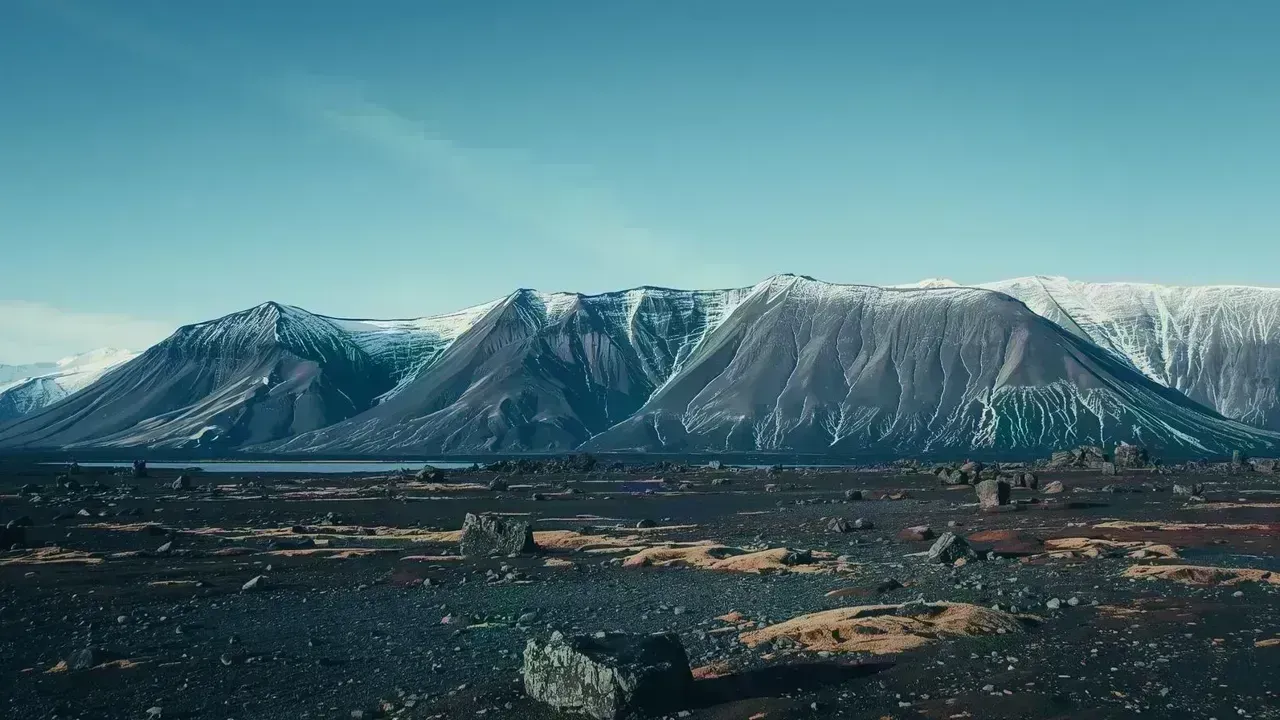
A winter trip to Iceland is enchanting yet challenging. Witnessing snow-laden landscapes, glistening ice waterfalls, the mesmerizing northern lights, and enjoying a quieter atmosphere is captivating. However, the severe weather, reduced daylight hours, and treacherous road conditions demand thorough preparation. This concise guide provides all essential information for visiting Iceland in winter, focusing on road safety, suitable attire, and practical travel advice to help you enjoy your journey without unnecessary hazards.
The winter season in Iceland spans from November until March, occasionally stretching into April. Temperatures typically fluctuate between -1°C and 5°C, while strong winds can exacerbate the chill. Snowfall varies across regions, and abrupt weather changes are routine. Daylight hours are notably short, especially from December to January, with only four to five hours of natural light.
Winter roads in Iceland may be icy, covered in snow, and pose a slippery challenge. Main routes such as Route 1, known as the Ring Road, are regularly maintained, yet conditions can rapidly shift due to unforeseen wind and snowfall. Many highland routes might be completely closed throughout winter.
Safe driving requires both confidence and vigilance. Black ice is prevalent, especially on bridges and shaded spots. Drivers of larger vehicles must be especially cautious as strong crosswinds can affect handling. Regularly checking the latest road conditions before heading out is advisable, and flexibility in travel plans is recommended.
Driving in winter can be safe if you are adequately prepared. If you feel uncomfortable with icy roads or limited light, opting for guided tours is a safer route. Tour operators closely monitor weather changes and adapt routes as necessary. For self-driving adventurers, it’s wise to keep driving within shorter time frames and to avoid nighttime driving whenever feasible.
Appropriate clothing is crucial for comfort and safety when exploring Iceland in winter. Layering your clothing is key to adapting to fluctuating weather and indoor warmth.
A waterproof and wind-resistant jacket is essential, while thermal base layers help in retaining body heat. Insulating mid-layers such as fleece or down jackets add crucial warmth. Waterproof trousers are important for combating snowy and wet conditions, and thermal socks should be stocked up, with extras on hand.
Wear insulated, waterproof boots with excellent traction for navigating snow and ice. Insulated, wind-resistant gloves and a warm hat that covers the ears are necessary, alongside a neck gaiter or scarf for added protection from cold winds.
The winter chill in Iceland is often accompanied by moisture from snow, rain, or sleet. Staying dry is paramount, so prioritize waterproof gear over excessively thick clothing. Drenched clothing accelerates heat loss and discomfort. Pairing waterproof outer layers with insulating inner layers ensures optimal protection.
During winter, numerous pathways, parking lots, and popular sightseeing locales can be icy. Footwear lacking proper grip can lead to slips and injuries. It's advisable to use boots with substantial traction. Some travelers opt to bring detachable ice cleats for extra grip on slick surfaces, especially near waterfalls.
If you're planning to drive, consider renting a four-wheel-drive vehicle, which is recommended for winter travels. Winter tires are obligatory in Iceland during these months and are typically included in vehicle rentals. Ensure your headlights are on at all times, even during daylight.
Keep a fully charged mobile phone, car charger, and emergency contacts handy. Inform someone about your daily itinerary, especially in remote locations. Note that fuel stations can be sparse in rural areas; hence, refilling whenever possible is wise.
The weather in Iceland is prone to rapid changes. Storms can lead to immediate road closures. Always check weather forecasts and road updates before starting your day. It's prudent to include buffer days in your itinerary to accommodate potential weather-related delays.
Under no circumstances should you drive during severe weather alerts. Ignoring such warnings may lead to accidents or perilous rescue operations.
Limited daylight in winter presents a significant challenge. In December, daylight lasts roughly from 11:30 AM to 3:30 PM. Schedule your sightseeing for when it’s light out and avoid overpacked itineraries. Prioritize photography, road trips, and outdoor activities during daylight hours.
The winter season is ideal for witnessing the northern lights. Clear skies and minimal light pollution enhance viewing opportunities. Regularly check aurora forecasts and cloud coverage. Dress warmly and be ready to spend time outdoors to catch the display.
For first-time viewers, joining northern lights tours is recommended, as guides optimize routes based on weather conditions.
Selecting accommodation centrally located reduces travel risks. It’s advisable to book hotels or guesthouses near major roads rather than isolated ones if road conditions deteriorate. Many provide heating facilities, blackout curtains, and aurora wake-up services.
Choosing accommodations with flexible cancellation policies can be beneficial if weather forces changes to your plans.
Dining establishments and grocery stores may have limited hours during winter, particularly outside of Reykjavik. Carrying snacks and beverages on long journeys is a good idea. Consuming warm meals and drinks aids in maintaining body heat during outdoor activities.
Cold conditions can heighten the risks of dehydration, fatigue, and frostbite. Ensure you hydrate regularly, even if you’re not thirsty, and take breaks to warm up inside. Avoid traversing unstable ice near rivers, shores, or cliffs.
Having travel insurance that covers winter activities, unexpected weather delays, and medical emergencies is highly advisable.
Winter tours provide safety and convenience, especially for activities like glacier hiking, exploring ice caves, and chasing northern lights. While self-driving offers flexibility, it requires experience and caution. Many travelers adopt a hybrid approach, complemented with guided tours for riskier adventures while self-driving for less demanding routes.
Misjudging weather conditions can lead to rushed plans and unsafe driving. Wearing non-waterproof footwear might lead to discomfort and potential injuries. Disregarding weather warnings can disrupt your plans significantly. Failing to allow buffer days can elevate stress levels during your trip.
November and March provide a blend of stunning winter scenery along with ample daylight. December and January exemplify the height of winter charm but come with limited daylight. February offers robust chances to see northern lights, featuring slightly longer days.
While winter in Iceland is indeed breathtaking, it necessitates respect for its nature and careful planning. With the right attire, realistic scheduling, highway awareness, and a priority on safety, winter excursions can be truly memorable. Preparation is crucial in Iceland’s winter landscape, serving as the key to embracing its raw beauty safely.
This guide serves informational purposes only. Rapid changes can occur in Iceland's weather and road conditions. Travelers should always verify the latest weather and road updates before and throughout their journey.








Google Signs 3.6-GW Power Deal With Constellation Energy in US
Google signs a 3.6-GW power deal with Constellation Energy, including nuclear power upgrades to supp

Harmanpreet Kaur Steps Down as India Captain Across All Formats
Harmanpreet Kaur steps down as India captain across all formats after a remarkable leadership journe

Michael Bracewell Chooses Casual Contract, Targets BBL Opportunity
Michael Bracewell moves to a casual contract as he eyes a BBL opportunity while remaining available

Tuchel Says Alex Scott Can Challenge Declan Rice for England Midfield Spot
Thomas Tuchel says Alex Scott can challenge Declan Rice for an England midfield place after his impr
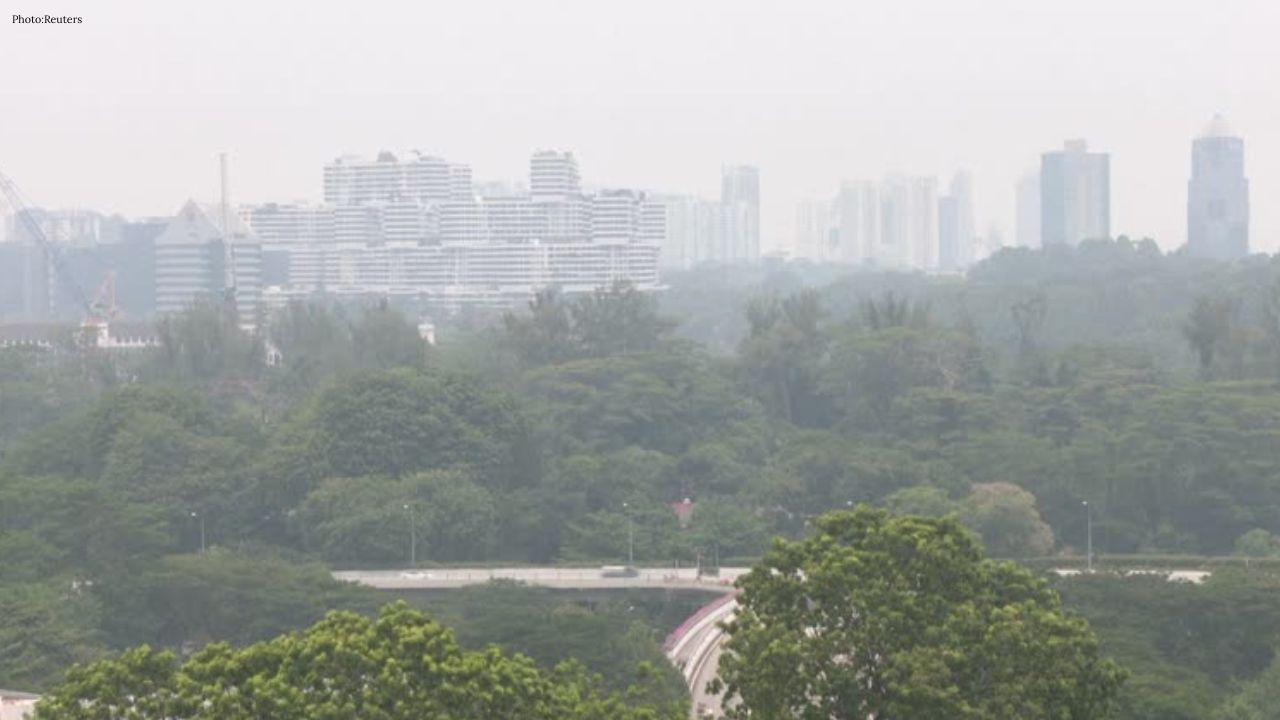
Air Quality Turns Unhealthy in Central and Western Singapore Amid Haze
Singapore haze pushes PSI above 100 in central and western areas as smoke from regional hotspots rai

PM Modi Pays Tribute to Mahatma Gandhi, Urges People to Support Khadi
PM Modi pays tribute to Mahatma Gandhi on Gandhi Jayanti and urges citizens to support Khadi and the

