You have not yet added any article to your bookmarks!
Join 10k+ people to get notified about new posts, news and tips.
Do not worry we don't spam!
Post by : Samjeet Ariff
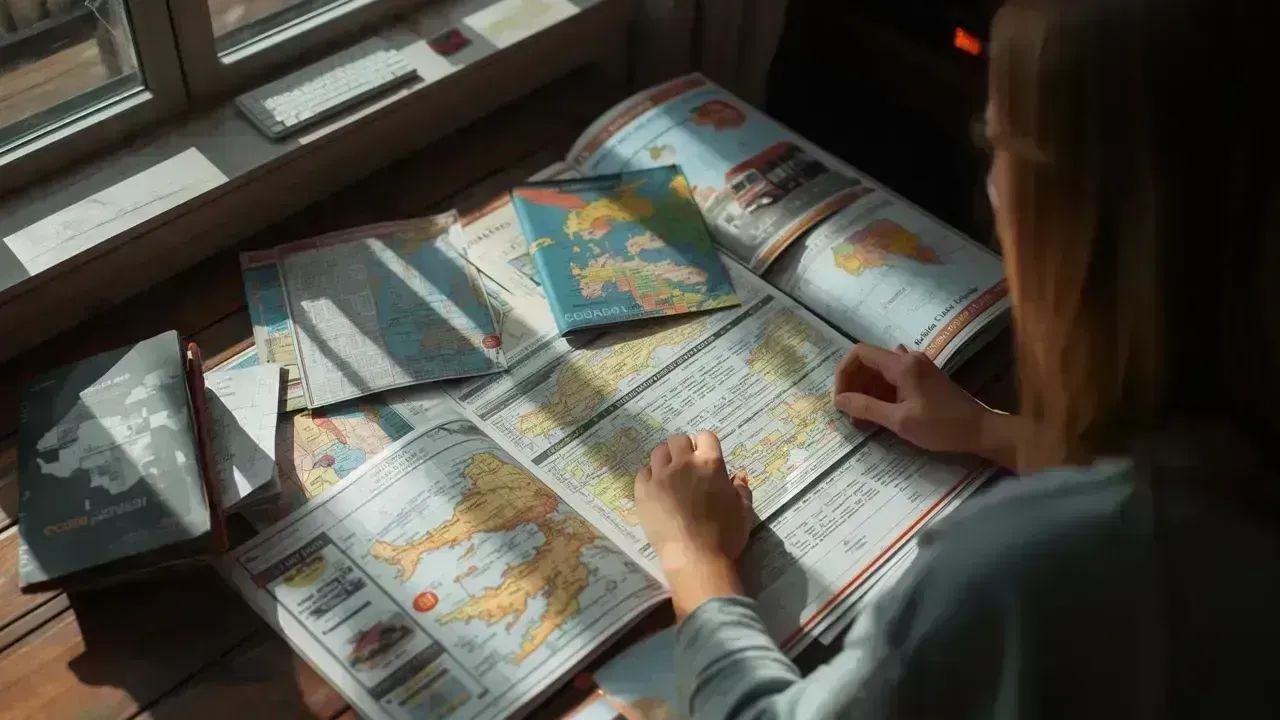
Embarking on your first overseas journey is thrilling. You select a location, book flights and accommodations, and visualize the adventures to come. However, many novices return feeling overwhelmed, overspent, or dissatisfied—not due to the destination, but because key planning aspects were neglected.
This article outlines crucial details often missed during first-time international travel planning, helping you sidestep typical errors that impact safety, comfort, budget, and the overall travel experience. These practical tips often elude standard booking sites and social media but can significantly enhance your trip once you arrive.
First-time travelers frequently believe that booking flights and hotels means the trip is “set.” In truth, this is merely the groundwork.
What is often overlooked:
Transfers to airports and local transport options
Gaps in check-in and check-out times
Researching local safety and neighborhoods
The connections between attractions
Without a grasp of local logistics, travelers can waste valuable time, money, and energy.
Visa complexities are one of the most puzzling aspects of international travel.
Common pitfalls:
Late visa applications
Overlooking necessary documents
Assuming approval is automatic
Neglecting transit countries' entry rules
Many travelers book non-refundable flights before securing visa approval, resulting in financial loss. Always treat visa applications as a distinct planning phase, not an afterthought.
This common mistake can be costly.
Most nations require:
At least 6 months of passport validity beyond your departure date
One or more blank pages
Certain airlines may deny boarding even if the destination permits shorter validity. This detail alone has caused numerous trips to be derailed.
Countries enforce rules beyond just visas.
What are often missed:
Proof of onward or return flights
Evidence of accommodation
Minimum cash or balance requirements
Common immigration inquiries and conduct expectations
Inadequate documentation can lead to delays or even denial of entry.
First-time travelers often mishandle finances.
Common errors:
Carrying solely cash
Depending entirely on cards
Changing money at airports
Failing to notify banks about international travel
Wise travelers utilize a combination of cash, cards, and digital payments and recognize where each payment method is most effective.
Packing too much leads to stress and additional fees at airports.
Common oversights include:
Seasonal weather variations
Cultural expectations around dress
Airline baggage policies
Laundry availability
Packing for activities rather than “just in case” items facilitates smoother travel.
Travel insurance is often bypassed or misunderstood.
Frequent mistakes include:
Choosing the cheapest plan without verifying details
Not covering adventurous activities
Ignoring medical evacuation coverage
Misunderstanding claims procedures
Medical emergencies abroad can be costly. Insurance isn’t optional—it’s crucial.
First-time travelers often believe transportation will be straightforward.
What they miss:
Metro access vs tickets
App-based taxi regulations
Local scams targeting visitors
Public transport operational times
Understanding local transport options can save money and avoid stranded situations.
Trying to “experience it all” can lead to fatigue.
Common issues entail:
Constantly repacking and moving
Missing out on meaningful experiences due to haste
Lack of downtime and flexibility
A well-balanced itinerary allows for richer memories than an overly scheduled one.
Jet lag impacts your energy, mood, and health.
Steps that tend to be overlooked:
Adjusting sleep patterns before departure
Planning low-key activities on the first day
Staying hydrated during flights
Ignoring jet lag can diminish enjoyment during the initial days.
Connectivity is crucial for navigation, bookings, and emergencies.
Common pitfalls:
Reliance solely on airport Wi-Fi
Not verifying international roaming fees
Purchasing SIM cards without ensuring compatibility
A local or international eSIM can save both time and money.
Cultural misunderstandings can lead to discomfort.
Common examples include:
Tipping conventions
Greeting norms
Dressing appropriately in religious sites
Expected public conduct
Basic cultural awareness enhances both safety and respect.
Food-related challenges can arise.
Things often overlooked include:
Translation for dietary restrictions
Local mealtime customs
Street food safety protocols
Drinking water guidelines
Proper planning can reduce health issues and food-related stress.
Many travelers assume everything will go smoothly.
Often overlooked details include:
Emergency contact numbers
Embassy and consulate details
Backup document copies
Medical facility locations
Preparation enhances confidence, not fear.
Online budgeting can underestimate true costs.
Common factors missed:
Local taxes
Transportation expenses
Entry fees for attractions
Currency conversion rates
A clear understanding of realistic daily costs can prevent overspending.
Physical documents are vulnerable to loss.
Smart preparations involve:
Digital replicas of passport and visa
Cloud access
Offline backups on mobile devices
This measure alone can safeguard your trip in emergencies.
Online portrayals often highlight the best moments, not the difficulties.
First-time travelers commonly overlook:
Heavy crowds
Waiting periods
Weather-related discomfort
Local truths
Setting achievable expectations results in enhanced experiences.
Continuous activity can lead to exhaustion.
Rest days:
Enhance health
Encourage spontaneous adventures
Minimize travel fatigue
Travel is not a competition.
Your initial international journey significantly influences your perception of travel for years. The objective isn’t to achieve perfection—it’s prepared flexibility. By going beyond mere bookings and concentrating on practical details, your confidence can grow while stress diminishes.
The most fulfilling trips are those characterized by intelligent preparation rather than exhaustive itineraries.
This article serves as a guide for general information only. Travel conditions, regulations, costs, and safety measures can vary by country and may change without prior notice. Readers are encouraged to confirm official information, airline guidelines, and government advisories before embarking on their journeys. The author holds no liability for any consequences arising from reliance on this information.









Will O'Rourke Ruled Out of New Zealand's India Series
New Zealand fast bowler Will O'Rourke will miss the India series with hamstring and calf injuries as

AI Companies Expected to Drive Most US Earnings Growth in Q3
AI companies are expected to drive US third-quarter earnings growth as investors assess tech profits

Money Market Funds See Record Inflows as Global Bond Selloff Intensifies
Global money market funds attract $153.81 billion as bond yields rise, inflation fears persist and i

Meta Bans TikTok Ads on Facebook and Instagram in Seven Countries
Meta has banned TikTok ads in seven countries, escalating competition over social media users, adver

ASML and Zeiss Target Next-Generation Chip Technology in 10 Years
ASML and Carl Zeiss are developing Hyper NA technology to print smaller chip circuits, with the next

Rabada Misses First Australia Test as South Africa Pick Two Spinners
Kagiso Rabada misses the opener as South Africa vs Australia begins, with Anrich Nortje returning an