
You have not yet added any article to your bookmarks!
Join 10k+ people to get notified about new posts, news and tips.
Do not worry we don't spam!

Post by : Samjeet Ariff
Embarking on an overseas journey is thrilling, but inadequate financial planning often leads to challenges post-move. The amount you need to save varies based on your destination, visa category, lifestyle choices, and income strategy. There isn't a universal figure, but it’s crucial to identify specific financial areas to address to minimize stress during your transition.
Relocating to a new country can come with an array of unexpected expenses. Costs related to deposits, paperwork, daily living, and unforeseen setbacks can quickly deplete your savings. Having sufficient funds allows you time to acclimatize, explore options, and settle into your new environment peacefully.
Before delving into overall saving totals, it’s vital to pinpoint potential expenditures.
Visa costs can greatly differ by country and type—student visas, work permits, or other routes entail various fees, including application and translation costs. Such payments are often upfront and non-refundable, making thorough preparation essential.
Airfare constitutes a significant upfront cost, where one-way tickets can exceed round-trip prices. Don’t forget to account for baggage fees, layover accommodations, and transport upon arrival. Early bookings typically lead to better pricing.
Most nations require a deposit of one to three months of rent. In some urban areas, you may need to pay the first month's rent along with a security deposit before moving in. Consider that temporary stays may be pricier than securing long-term solutions, necessitating additional budgeting.
Essentials like food, transportation, utilities, and miscellaneous household items can accumulate quickly during your initial month abroad. Even with minimalistic living plans, daily expenses remain inevitable. New arrivals often find hidden costs in countries with elevated living standards.
An emergency fund acts as a financial cushion against unforeseen circumstances including job delays or health matters. It’s advisable to have three to six months’ living expenses reserved—untouched unless truly needed. Many individuals underestimate the time it takes to establish a stable income abroad.
Your savings depend significantly on your reasons for relocating.
Even with a job confirmation, aim to save enough for at least three months of expenses, as salary disbursements may be delayed. Housing and relocation support from employers can be scarce, making your savings crucial.
Students ought to prepare for tuition, deposits, and a minimum of six months of living expenses. Part-time job prospects shouldn’t be fully relied upon due to potential legal or availability challenges from the outset.
If moving without a job, aim for savings covering six to twelve months’ worth of expenses. This financial buffer will afford you the flexibility to attend interviews and network without undue pressure.
Those who work remotely should set aside four to six months of expenses, accounting for client delays or fluctuating payments, which can jeopardize cash flow.
Living expenses vary extensively by region. Generally, relocating to Southeast Asia or Eastern Europe requires less capital than moving to Western European countries, Canada, or Australia. Urban centers present higher costs compared to smaller towns, so thorough research on rent and living costs is critical.
Many tend to ignore hidden costs while planning. For instance, local banking may involve minimum balances, while health insurance could be prerequisite for visa approvals. Additionally, outfitting yourself for a new climate can come with its own financial surprises.
While figures will vary, it’s generally advisable to tally visa and flight costs along with three to six months of living expenses plus an emergency stash to ensure a smooth transition. Relying on only one or two months’ savings risks unnecessary stress and hasty decisions.
Living alone is typically pricier than sharing accommodations, and frequent dining out can inflate costs rapidly. If you can be flexible with lifestyle choices, this flexibility might reduce your overall savings requirements.
To establish a financial buffer, consider saving over six to twelve months. Curtail non-essential subscriptions, avoid major purchases, and funnel extra income into a specialized relocation account, making it less tempting to deplete.
While some may fear accumulating too much savings, having a financial buffer is reassuring, allowing for future travel or investment opportunities. Conversely, under-saving can create pressure and restrict your options.
Financial readiness reduces anxiety when transitioning abroad, facilitating a focus on cultural assimilation and establishing routines. Security in your finances leads to improved decision-making and enhances your overall experience in a new land.
Relocating isn’t merely about changing locations; it’s a significant financial transition. The better prepared you are, the more seamless your relocation can be. Adequate savings afford you flexibility and peace of mind, ensuring that your move opens new opportunities rather than challenges.
This article serves informational purposes only. Costs can differ widely based on country, visa type, and personal circumstances. Always verify destination-specific requirements and seek professional guidance where necessary.








Michael Bracewell Chooses Casual Contract, Targets BBL Opportunity
Michael Bracewell moves to a casual contract as he eyes a BBL opportunity while remaining available

Tuchel Says Alex Scott Can Challenge Declan Rice for England Midfield Spot
Thomas Tuchel says Alex Scott can challenge Declan Rice for an England midfield place after his impr
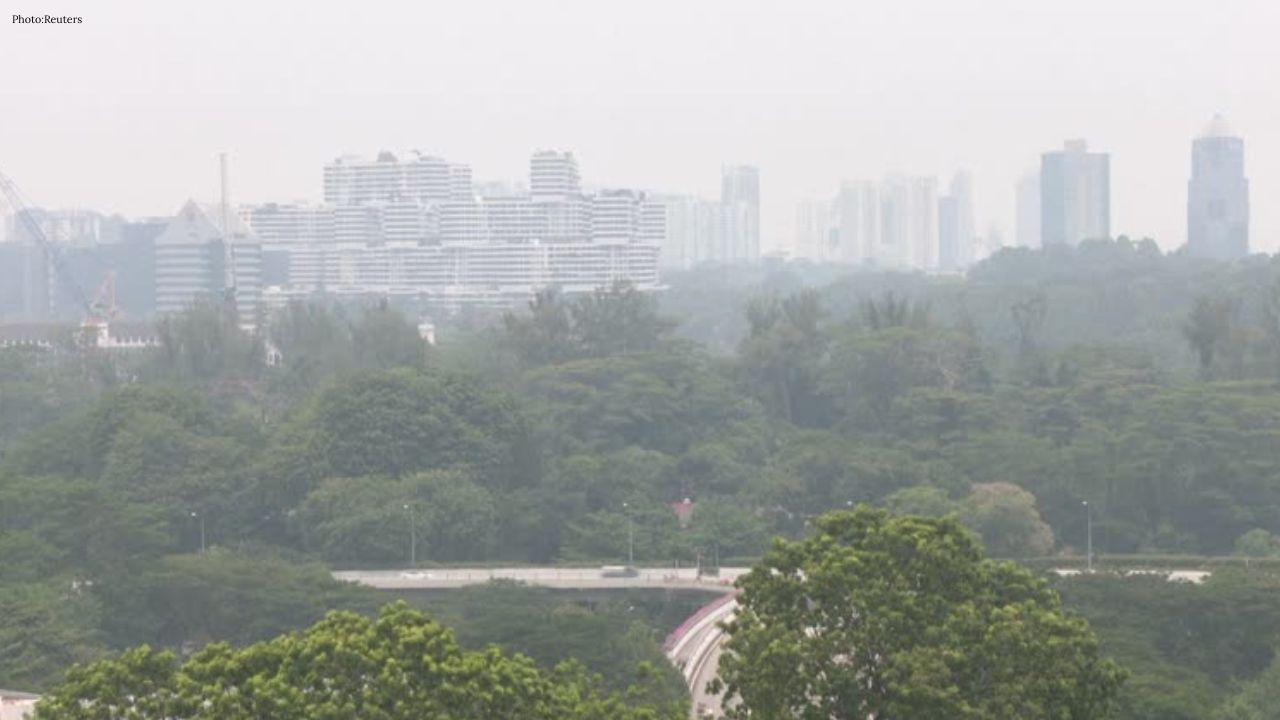
Air Quality Turns Unhealthy in Central and Western Singapore Amid Haze
Singapore haze pushes PSI above 100 in central and western areas as smoke from regional hotspots rai

PM Modi Pays Tribute to Mahatma Gandhi, Urges People to Support Khadi
PM Modi pays tribute to Mahatma Gandhi on Gandhi Jayanti and urges citizens to support Khadi and the

Amazon Seeks to Offload $8 Billion in Nvidia Chips to Investors
Amazon plans to move $8 billion in Nvidia chips to investors, using a new financing model to strengt

Samsung Raises Galaxy S26 Prices as Memory Chip Costs Rise
Samsung raises Galaxy S26 prices in South Korea as rising memory chip costs put pressure on smartpho

