
You have not yet added any article to your bookmarks!
Join 10k+ people to get notified about new posts, news and tips.
Do not worry we don't spam!
Post by : Anis Farhan
Air travel has changed dramatically over the past two decades. Once dominated by long queues, manual document checks, and repeated identity verification, airports are now increasingly turning to biometric technology to speed up passenger processing while strengthening security.
At the heart of this transformation is facial recognition technology, a system that allows travelers to pass through checkpoints using their face as identification rather than relying solely on physical passports and boarding passes.
For many passengers, this change happens quietly. One moment you’re looking into a camera at an airport gate, and seconds later the barrier opens automatically. No stamps, no paperwork, no long conversations with officers.
Facial recognition is rapidly becoming one of the most significant upgrades to passport security systems worldwide, fundamentally altering how borders operate and how travelers move across countries.
For decades, airport security relied almost entirely on human inspection. Immigration officers manually compared passport photos with passengers standing in front of them.
This process was effective but time-consuming. Officers had to examine documents, check visas, stamp passports, and sometimes question travelers. With global travel increasing each year, congestion became a serious issue at major airports.
Biometric technology introduced automation into this process. Modern e-passports now store biometric data, including digital facial images and sometimes fingerprints, embedded in secure chips.
Facial recognition systems compare the live image captured at checkpoints with the stored passport data, confirming identity within seconds.
This shift reduces human workload while improving accuracy and speed.
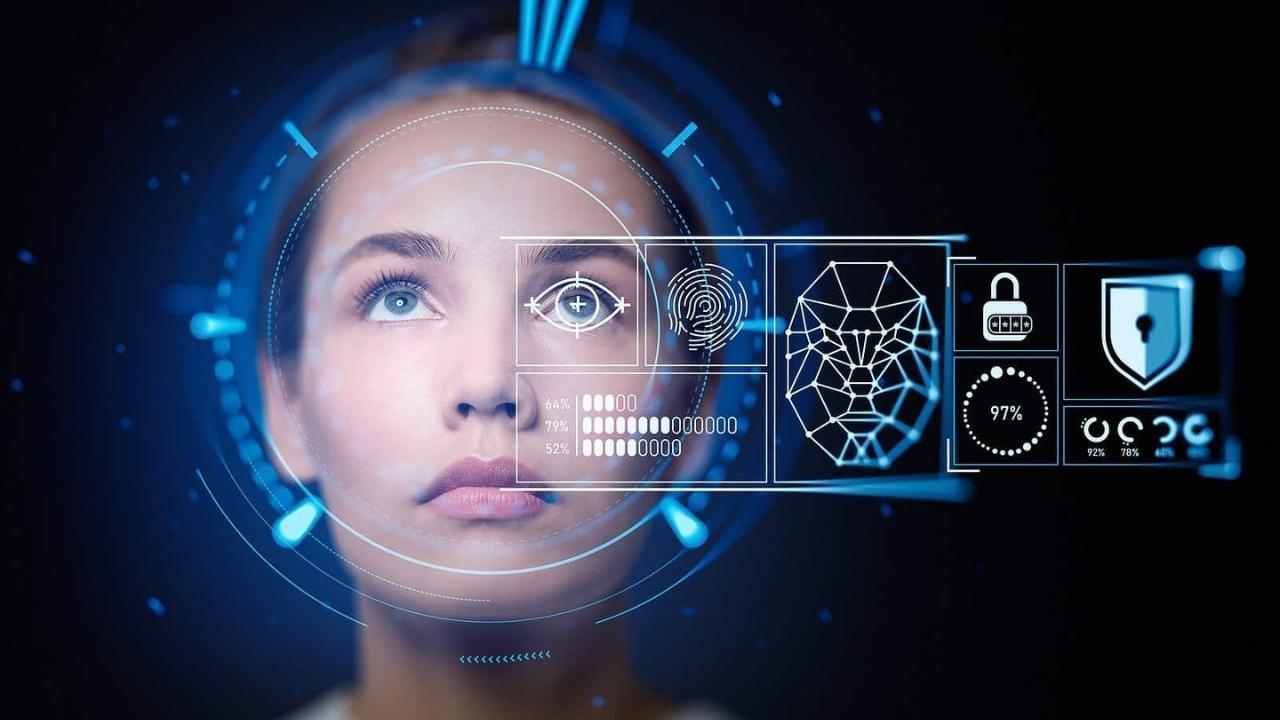
Facial recognition systems operate using artificial intelligence algorithms trained to identify unique facial features. These systems analyze various facial points such as:
Distance between eyes
Shape of jawline
Nose structure
Facial contours
Position of ears and chin
Overall facial geometry
When a passenger approaches an automated gate, cameras capture a live image. The system then compares this image to the passport photo stored digitally or to airline and immigration databases.
If the system confirms a match within acceptable confidence levels, the gate opens automatically.
The process usually takes only a few seconds.
Facial recognition is not only about security; it also improves passenger experience.
Biometric gates significantly reduce queues at immigration counters. Automated systems process travelers much faster than manual checks, making airport movement smoother during peak travel periods.
Passengers increasingly pass through checkpoints without repeatedly presenting passports or boarding passes. Facial identity verification replaces many document checks.
Following global health concerns in recent years, contactless processes gained importance. Facial recognition allows travelers to move through airports with minimal physical interaction.
Governments see biometric systems as an essential upgrade to border control security.
Facial recognition reduces chances of identity fraud or passport misuse. Forged documents become less effective when identity must match biometric data.
Advanced systems can alert authorities if individuals flagged in security databases attempt to enter or leave a country.
Automation allows authorities to monitor more passengers without sacrificing security quality, enabling officers to focus on high-risk cases.
Many global airports now operate biometric boarding systems, including hubs in Asia, Europe, North America, and the Middle East.
Countries are investing heavily in “smart airports,” where facial recognition integrates with ticketing, baggage drop, security checks, and boarding gates.
Some airports now allow passengers to complete nearly the entire journey using facial identity alone.
Industry experts predict that biometric travel will become standard across major international airports within the next decade.
Despite benefits, facial recognition in passport security also raises serious concerns.
Critics argue that large-scale biometric data collection may lead to surveillance risks if data is misused or inadequately protected.
Travelers often remain unaware of how their biometric data is stored or shared.
Biometric data breaches could be more harmful than traditional data leaks because faces cannot be changed like passwords.
Ensuring secure storage and handling of biometric data remains critical.
Although facial recognition technology has improved, accuracy issues still arise, especially in cases involving identical twins, facial changes, or varied lighting conditions.
There have also been debates about algorithmic biases affecting recognition accuracy across different demographic groups.
Airlines increasingly use facial recognition not only at immigration but also for operational efficiency.
Passengers can:
Check in using facial scans
Drop baggage without showing documents
Pass through security lanes faster
Board flights using face verification
This reduces delays and improves flight departure punctuality.
Airlines benefit from smoother passenger flow and reduced staffing needs.
The future points toward even deeper integration of biometric technology.
Experts foresee:
Fully digital travel credentials replacing physical passports
AI systems predicting passenger flow for smoother processing
Seamless identity verification across international airports
Mobile-based biometric passports
In coming years, travelers may move through airports using digital identity stored securely on personal devices.
Authorities face the challenge of balancing enhanced security with personal privacy rights.
Key considerations include:
Transparent data usage policies
Limited storage duration
Strong cybersecurity protections
Clear opt-out options
International data protection cooperation
Public trust will play a critical role in determining how widely biometric passport systems are accepted.
Passengers encountering biometric systems should be aware of:
Data privacy policies at airports
Whether participation is optional
How biometric data is stored or deleted
Alternatives available if opting out
Understanding rights and procedures helps travelers navigate biometric checkpoints confidently.
Facial recognition technology is transforming passport security and global travel in ways unimaginable just a decade ago. Faster processing, improved security, and seamless passenger journeys highlight the benefits of biometric systems.
At the same time, concerns around privacy, data protection, and ethical use must be addressed carefully to maintain public trust.
As airports worldwide adopt biometric solutions, the future of travel may soon involve little more than walking through a terminal while cameras confirm identity silently in the background.
For travelers, the passport may soon become less about documents and more about identity itself — verified through the most personal credential of all: the human face.










PM Modi Pays Tribute to Mahatma Gandhi, Urges People to Support Khadi
PM Modi pays tribute to Mahatma Gandhi on Gandhi Jayanti and urges citizens to support Khadi and the

Amazon Seeks to Offload $8 Billion in Nvidia Chips to Investors
Amazon plans to move $8 billion in Nvidia chips to investors, using a new financing model to strengt

Samsung Raises Galaxy S26 Prices as Memory Chip Costs Rise
Samsung raises Galaxy S26 prices in South Korea as rising memory chip costs put pressure on smartpho

Lewis Hamilton Calls Singapore Grand Prix One of F1's Toughest Races
Lewis Hamilton discusses the demanding Singapore Grand Prix and brings Plus44 and Almave to Singapor

Denmark's Pandora Opens World's Largest Jewellery Factory in Vietnam
Pandora opens its largest jewellery factory in Vietnam, expanding global production, strengthening s

Gautam Gambhir Questions Batting-Friendly Pitches After India's Record ODI Chase
Gautam Gambhir questions batting-friendly ODI pitches after India’s record chase, calling for a bett

