You have not yet added any article to your bookmarks!
Join 10k+ people to get notified about new posts, news and tips.
Do not worry we don't spam!
Post by : Anis Farhan
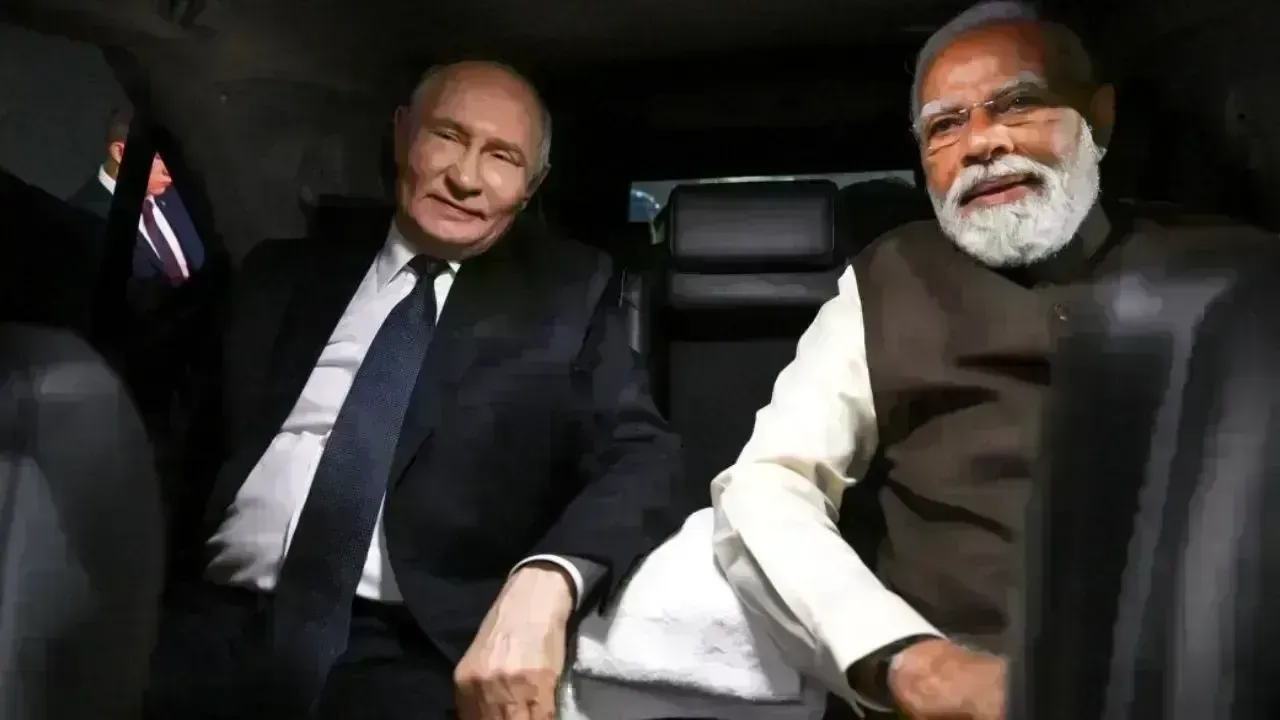
President Vladimir Putin’s Delhi visit arrives at a time when global politics, shifting alliances and energy transitions are forcing countries to rethink their economic strategies. For India, Russia remains a crucial partner in energy, defence, and strategic supplies. The Delhi talks signal not only continuity but also the possibility of new avenues that touch citizens directly — from fuel prices and electricity bills to industrial growth and employment.
The renewed warmth between both nations is seen as a strategic necessity. Russia is seeking stronger Asian partnerships to diversify its economic dependencies, while India aims to secure stable, long-term energy inflows and expand its manufacturing footprint. The conversations during this visit set the stage for several realignments that could shape India’s domestic economy.
Energy remains the most visible channel through which ordinary people feel the impact of diplomatic engagements. Russia has emerged as one of India’s largest suppliers of crude oil. With global oil markets often driven by geopolitical tensions, stable supplies help India keep domestic fuel prices more predictable.
Putin’s visit has revived discussions around long-term pricing arrangements that could shield India from sudden spikes. If India manages to secure a multi-year predictable pricing structure, households and transport-dependent sectors may experience more stability in fuel costs, reducing monthly expenditure shocks.
Another important dimension includes pipeline and storage infrastructure cooperation. While cross-border pipelines between India and Russia face logistical challenges, discussions around joint exploration projects, refinery partnerships, and shared energy corridors are expected to accelerate.
If materialised, this would reduce India’s dependency on volatile overseas shipping routes, offering long-term energy resilience. A more secure energy supply chain translates into stable power tariffs and improved competitiveness for industries.
India has been steadily expanding its natural gas usage by encouraging industries and households to adopt cleaner fuels. Russia, being one of the world’s top natural gas producers, holds the capability to support India in scaling up its gas infrastructure.
Deeper cooperation could result in long-term LNG contracts, more affordable gas prices, and urban expansions of city gas networks. For households, this means more accessible clean cooking fuel; for industries, lower operating costs and cleaner energy compliance.
Beyond traditional hydrocarbons, both nations have expressed interest in knowledge sharing for nuclear energy safety, hydrogen technology, and advanced battery systems. Russia’s expertise in nuclear energy and India’s push for next-generation reactors make this a promising area of collaboration.
The production and storage of green hydrogen, in particular, could gain traction if both sides commit resources. This would create new job avenues in manufacturing, engineering, and power distribution.
One of the biggest expectations from the Delhi visit revolves around employment. Industrial cooperation discussions include sectors such as heavy machinery, mining, transportation systems, and petrochemicals. These industries have long value chains, meaning more local jobs and business opportunities.
When countries agree to co-produce goods — whether turbines, engines, or industrial chemicals — it results in new factories, local vendor ecosystems, and skill development initiatives. The India–Russia Industrial Partnership Framework discussed in the summit is designed to strengthen this.
Russia’s inclination to diversify its exports opens the possibility of technology-sharing agreements in areas such as:
advanced metallurgy
minerals processing
heavy engineering
chemical synthesis
defence manufacturing support
For India, this means fewer import dependencies and more domestic production. Each such transfer has the potential to generate thousands of skilled and semi-skilled jobs.
Defence cooperation between India and Russia is not new, but the latest discussions suggest a stronger push for joint manufacturing. This is aligned with India’s aim of reducing arms imports while boosting homegrown defence ecosystems.
Localised production of equipment creates jobs in metallurgy, assembly lines, electronics, micro-manufacturing, and maintenance services. It also spurs R&D clusters around manufacturing hubs.
As defence manufacturing expands, tier-2 and tier-3 towns gain opportunities through supplier networks. Everything from spare parts to machinery lubrication systems is produced locally, generating employment far beyond major cities.
This ripple effect contributes to regional economic stability and strengthens India’s industrial competitiveness.
A major focus of recent India–Russia discussions has been logistics connectivity. The International North–South Transport Corridor (INSTC) aims to reduce transit time between India and Russia by routing goods through Central Asia and the Middle East.
For consumers, this means more consistent delivery of imported goods and potentially lower prices over time. For exporters, shorter routes result in higher profit margins and the ability to reach new markets faster.
Easier trade routes encourage MSMEs to participate in exports without facing enormous shipping costs. Items like textiles, leather goods, handicrafts, agricultural produce, and engineering components could find more competitive access to Eurasian markets.
As smaller businesses grow, employment expands across local communities.
If India secures more predictable oil pricing, everyday consumers could:
experience fewer sudden fuel price hikes
see more stable public transport fares
enjoy steadier logistics costs for essentials
Since fuel heavily influences inflation, such stability offers relief across every segment of the economy.
Any joint venture — whether in energy machinery, chemicals, gas infrastructure, or defence hardware — creates layers of employment:
construction labour during plant setup
engineers and technicians
logistics and supply chain workers
service and maintenance professionals
These jobs improve not only incomes but also skill levels across the workforce.
More LNG terminals, gas pipelines, and refinery upgrades can directly contribute to:
consistent cooking gas supply
lower electricity tariffs
improved air quality
reliable industrial energy
Such outcomes benefit millions, especially in expanding urban centres.
India’s foreign policy focuses on strategic autonomy — maintaining relationships with multiple global powers. Strengthening ties with Russia does not limit partnerships with Western countries, but instead expands options in energy and defence.
This approach helps India negotiate better deals, mitigate supply risks, and diversify its economic partnerships.
Putin’s visit signals that Russia continues to view India as a trusted partner amidst shifting geopolitical landscapes. This reinforces India’s role as a pivotal balancing power in Asia.
For Indian citizens, the diplomatic strength of the nation often translates into:
secure energy access
diversified trade opportunities
stronger global investment confidence
Even the most detailed agreements cannot fully prevent global price swings. Markets are influenced by global events, conflicts, and supply disruptions. India will need strong hedging strategies to smooth out fluctuations.
Large-scale gas imports, refinery upgrades, and manufacturing corridors require significant infrastructure. Land acquisition, environmental clearances, and local opposition can slow progress.
Ensuring timely execution is essential for job creation and industrial growth.
India must balance its growing energy needs with global climate commitments. While Russian imports provide security, India must simultaneously expand renewable capacities to meet long-term sustainability goals.
Putin’s Delhi visit reinforces energy cooperation that gives India:
multiple crude sourcing channels
increased access to natural gas
opportunities in nuclear and hydrogen technology
This diversification reduces vulnerabilities during global crises.
Industrial partnerships will demand more skilled workers across engineering, data systems, energy management, safety protocols, and precision manufacturing. This aligns with India’s long-term vision of becoming a high-skill economy.
Stable energy inputs, growing manufacturing clusters, stronger trade routes, and technological exchanges together create a foundation for sustainable economic stability. The effects reach ordinary citizens through job availability, predictable living costs, and better services.
Putin’s trip to Delhi marks more than a diplomatic engagement — it opens doors to energy security, industrial growth, job creation, and deepened strategic ties. If the discussed projects translate into concrete actions, the next few years may see significant improvements in India’s energy landscape and employment opportunities.
For the common citizen, the outcomes will be reflected in fuel prices, job markets, local business opportunities, and the overall economic atmosphere. The visit has the potential to shape India’s trajectory in a rapidly changing global environment.
This article is based on current events, analysis, and publicly available developments. It is intended for informational purposes and does not endorse any political position or forecast future policy outcomes.






Beauden Barrett Opens Up About Mental Struggles During All Blacks Exile
Beauden Barrett discusses his confidence struggles after missing six tests, his return against Austr

IMF Says AI Investment Supports Global Growth Despite Energy Shock
IMF says AI investment is supporting global growth near 3%, with Asian economies benefiting from ris

Will O'Rourke Ruled Out of New Zealand's India Series
New Zealand fast bowler Will O'Rourke will miss the India series with hamstring and calf injuries as

AI Companies Expected to Drive Most US Earnings Growth in Q3
AI companies are expected to drive US third-quarter earnings growth as investors assess tech profits

Money Market Funds See Record Inflows as Global Bond Selloff Intensifies
Global money market funds attract $153.81 billion as bond yields rise, inflation fears persist and i

Meta Bans TikTok Ads on Facebook and Instagram in Seven Countries
Meta has banned TikTok ads in seven countries, escalating competition over social media users, adver