You have not yet added any article to your bookmarks!
Join 10k+ people to get notified about new posts, news and tips.
Do not worry we don't spam!
Post by : Badri Ariffin
On Friday, Japan’s Cabinet sanctioned an unprecedented defense budget surpassing 9 trillion yen ($58 billion) for the upcoming fiscal year, marking a substantial move in the nation’s initiative to boost military capabilities in light of escalating regional conflicts.
The proposed budget for the fiscal year 2026, starting in April, represents a 9.4% increase from the previous year and signifies the fourth year in Japan’s five-year strategy aimed at doubling annual defense outlays to 2% of GDP. Once the parliament provides final approval, Japan is poised to rank among the highest military spenders globally.
Enhancing Missile and Coastal Defense
A significant portion of this budget is directed towards amplifying Japan’s “strike-back” capacity, reflecting a critical shift from its post-World War II commitment to limiting military engagement strictly to self-defense.
Approximately 970 billion yen ($6.2 billion) is designated for strengthening long-range or “standoff” missile systems, with 177 billion yen ($1.13 billion) allocated specifically for advanced Type-12 surface-to-ship missiles boasting a range of around 1,000 kilometers. The initial set of these missiles is scheduled for deployment in Kumamoto prefecture by March—an advancement achieved a year ahead of schedule.
The southwestern islands of Japan, viewed as strategically vital, remain a focal point of this missile enhancement initiative.
Increased Drone Deployment
With an aging population and a lack of military personnel, the Japanese government is increasingly shifting towards unmanned systems. The budget allocates 100 billion yen ($640 million) to the deployment of a significant array of unmanned aerial, surface, and underwater drones to reinforce coastal monitoring and defense.
These systems will be managed under a new framework dubbed “SHIELD,” expected to be operational by March 2028. To expedite readiness, Japan plans to initially leverage imported systems, potentially sourced from countries such as Turkey and Israel.
China Identified as Primary Strategic Challenge
Japan’s prevailing security strategy, instituted in 2022, identifies China as its foremost strategic obstacle. Tensions have escalated, particularly regarding Taiwan and increased Chinese military maneuvers near Japanese territories.
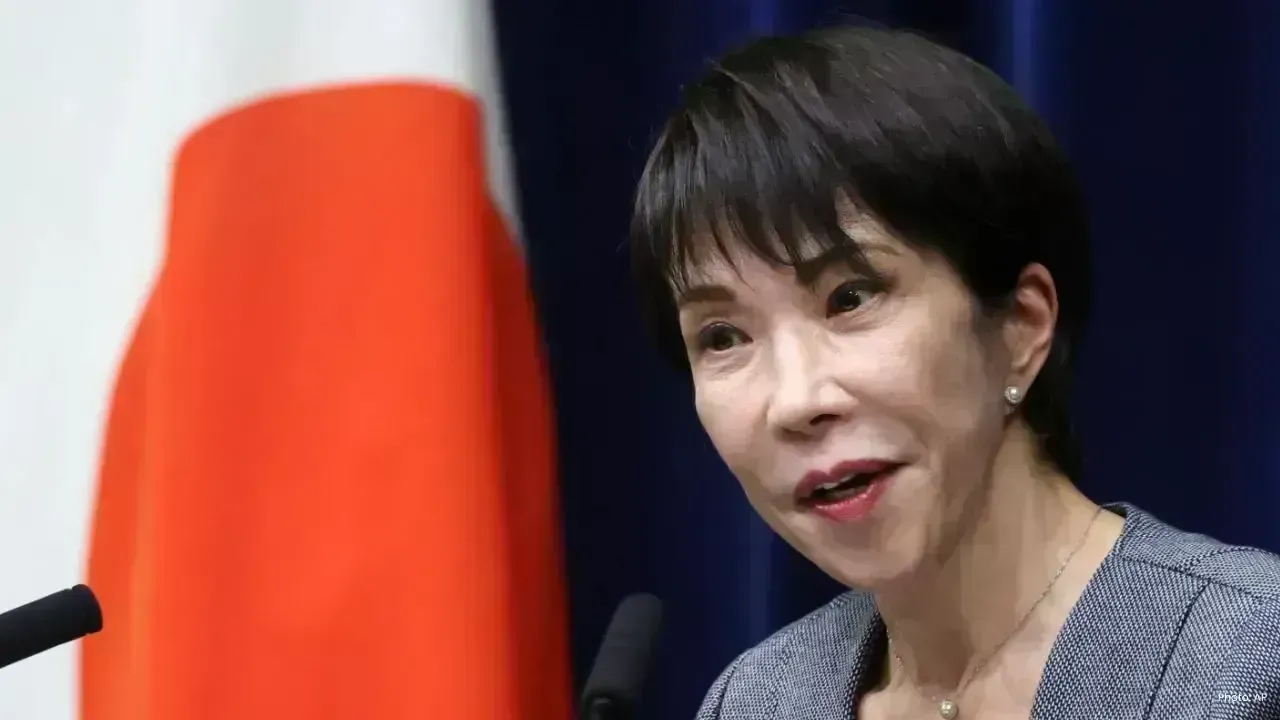
In November, Prime Minister Sanae Takaichi remarked that Japan might take action if China were to engage against Taiwan, provoking strong reactions from Beijing.
Relations deteriorated further this month following Chinese aircraft carriers’ maneuvers near southwestern Japan, prompting Tokyo to issue protests after Chinese aircraft allegedly locked radar onto Japanese planes, a tactic interpreted as a potential precursory step towards missile targeting.
In response, Japan’s Defense Ministry is set to establish a new office dedicated to monitoring China’s expanding military activities across the Pacific.
Collaborative Weapons Development and Arms Industry Expansion
Japan is also fortifying its defense sector through international collaborations. Included in the 2026 budget is over 160 billion yen ($1 billion) for co-developing a next-generation fighter jet in conjunction with Britain and Italy, aimed for deployment by 2035. Initiatives are also ongoing for AI-powered drones designed to assist alongside these aircraft.
As a significant boost for its defense manufacturers, Australia chose Mitsubishi Heavy Industries in August to modernize its Mogami-class frigates, superseding its outdated ANZAC-class fleet.
Nearly 10 billion yen ($64 million) is set aside to support the defense industry and enhance international arms sales, following the recent relaxation of Japan’s export controls.
Funding and Political Hurdles Ahead
This defense budget will be part of a larger 122.3 trillion yen ($784 billion) national budget proposal that requires parliamentary approval by March. If executed, Japan’s annual defense expenditure would rise to around 10 trillion yen, positioning it as the third-largest globally, trailing only the U.S. and China.
While the government anticipates funding the expansion through increased corporate and tobacco taxes, alongside income tax hikes post-2027, concerns linger regarding the viability of sustaining future spending increases beyond the 2% GDP objective.
Nevertheless, this latest budget illustrates Japan’s commitment to rapidly enhancing its military stance as security apprehensions in East Asia continue to escalate.





PSG Coach Luis Enrique Urges Players to Step Outside Comfort Zone
PSG coach Luis Enrique says players must leave their comfort zone and keep improving as the club tar

China’s Tiangong Sets New 400m Record at Robot Olympics
China’s Tiangong robot sets a new 400m record at the Robot Olympics, beating a South African robot i

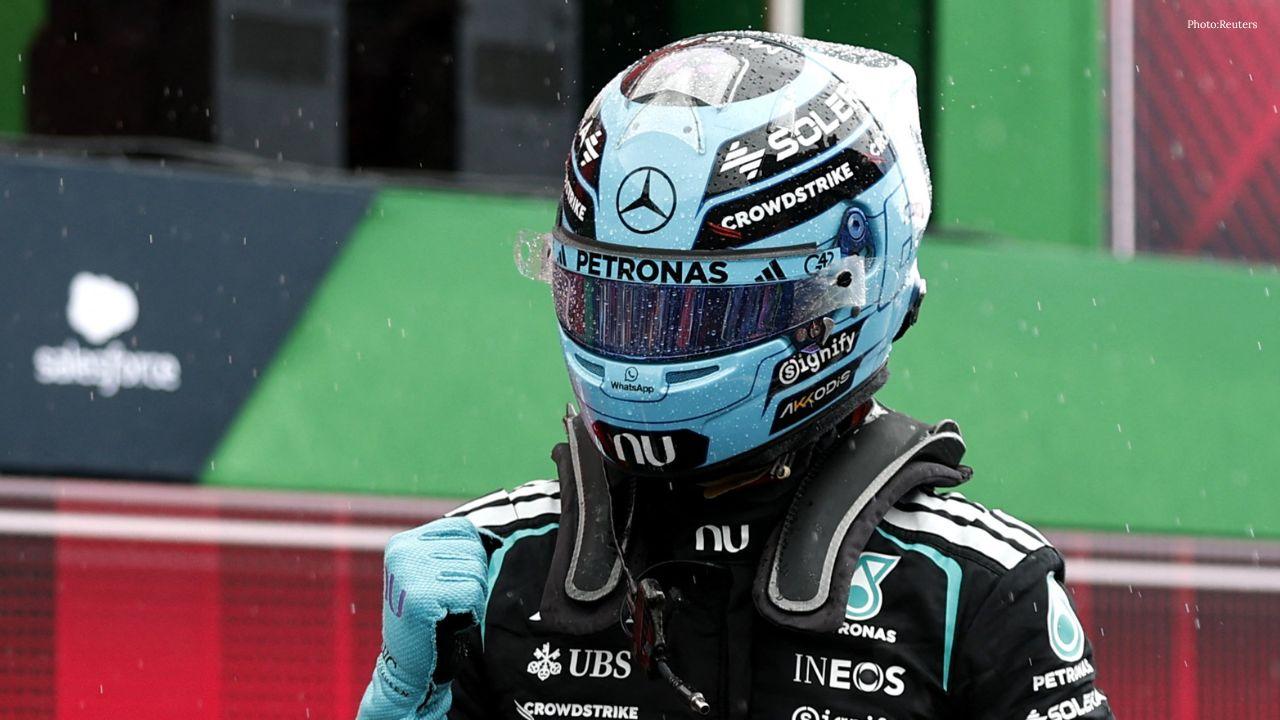
George Russell Wins Dutch GP Sprint, Boosts Mercedes Morale
George Russell wins the Dutch GP Sprint from pole as Mercedes teammate Kimi Antonelli extends his F1
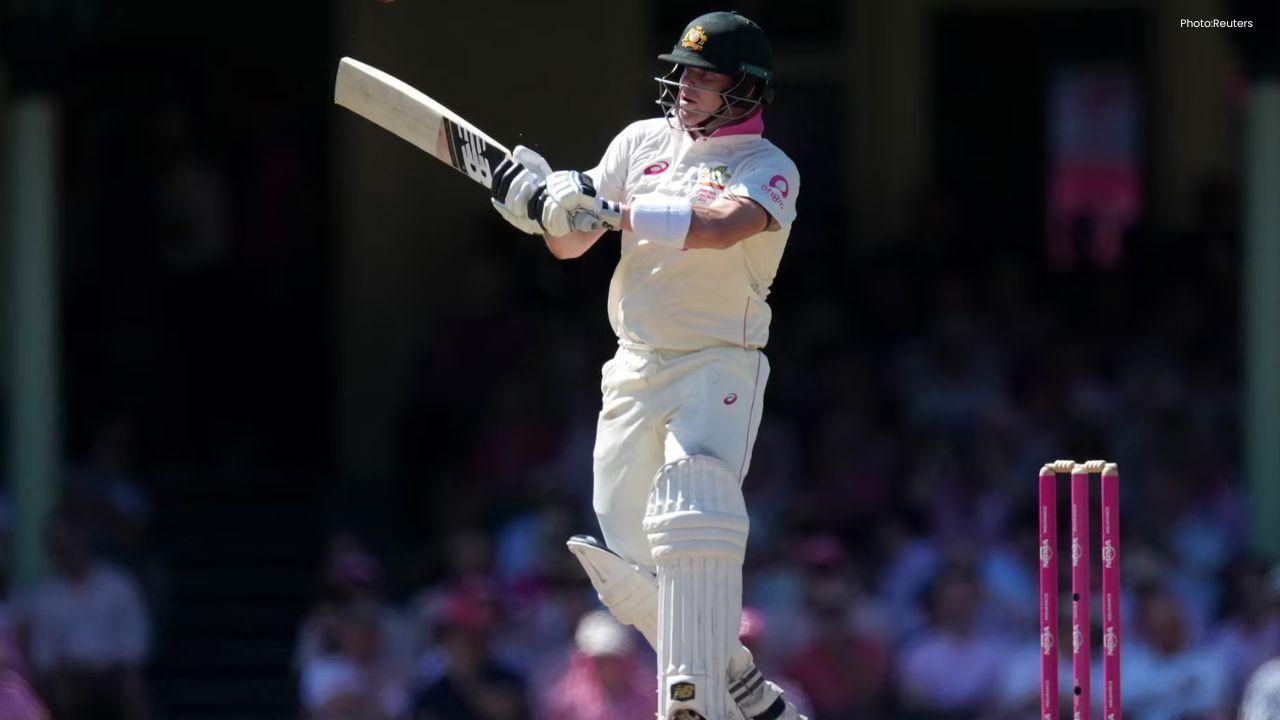
Australia 50/3 After Bangladesh Bowled Out for 64 in Second Test
Australia reached 50/3 after Bangladesh were bowled out for 64 in the second Test, with Mitchell Sta

Jordan Burroughs Returns to Wrestling with 2028 Olympic Dream
Jordan Burroughs returns to wrestling with Real American Freestyle as the Olympic champion eyes a po

Lamborghini Catches Fire on Singapore's ECP, Causing Heavy Traffic
A Lamborghini caught fire on Singapore's ECP, causing heavy traffic and bus delays. No injuries were