
You have not yet added any article to your bookmarks!
Join 10k+ people to get notified about new posts, news and tips.
Do not worry we don't spam!
Post by : Anis Farhan
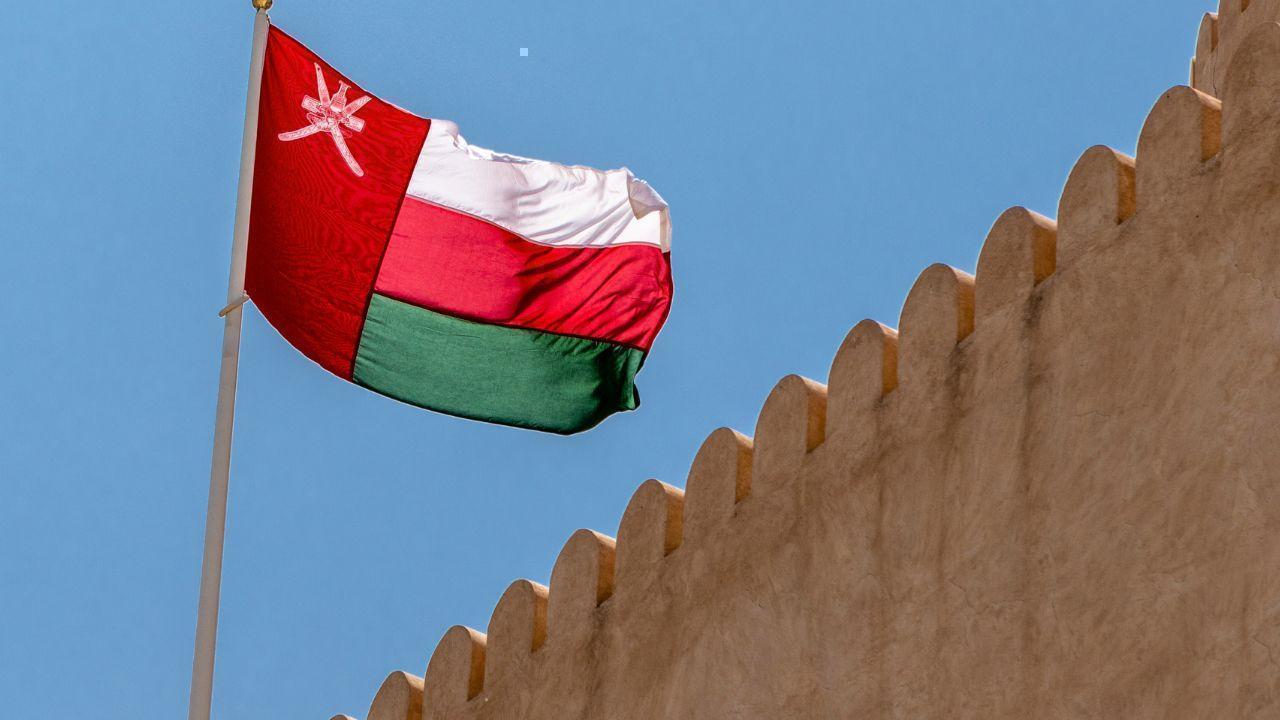
In a landmark fiscal shift, Oman announced on June 23 that it will introduce a 5% personal income tax starting from January 1, 2028, marking the Gulf’s first levy of its kind. The tax will apply only to individuals with annual income above OMR 42,000 (~USD 109,000), ensuring that 99% of citizens remain unaffected .
Issued via Royal Decree No. 56/2025, the new law comprises 76 articles with provisions for deductions and exemptions on vital expenses like education, healthcare, housing, inheritance, zakat, and charitable donations. The Omani Tax Authority says this structure balances progressive taxation with social sensitivity.
Driving forces behind this decision include a multi-year fiscal strategy to diversify income sources and reduce dependence on volatile oil revenues. Oil and gas currently account for up to 85% of government revenue, making such reform essential for long-term stability under Oman’s Vision 2040 plan.
Finance Minister Said Mohammed Al‑Saqri emphasised the goal of maintaining social services while strengthening fiscal resilience. The tax is expected to support funding for education, healthcare, and social welfare, projected to contribute to increasing non-oil revenues to 18% of GDP by 2040.
Oman plans a digital, voluntary-compliance tax system, integrating its databases to enable income declaration and processing. Executive regulations and technical guidelines are slated for release within a year, ensuring a smooth implementation process.
Regionally, Oman’s move breaks new ground. The rest of the Gulf Cooperation Council (GCC)—including tax-free hubs like the UAE, Saudi Arabia, and Qatar—has so far relied on VAT and corporate levies. Oman’s pivot reflects rising pressure from global fiscal trends and IMF advice on sustainable revenue diversification.
Experts believe the targeted threshold and flat rate are calibrated to minimise impact on low- and middle-income groups, while specifically targeting high earners and expatriates. Analysts warn that other GCC nations may follow suit, noting this could prompt a regional trend toward broader taxation regimes.
The timeline gives individuals and businesses time to adjust. But some caution that reforms of this scale require extensive public education, IT infrastructure upgrades, and stakeholder engagement to avoid administrative bottlenecks or compliance resistance.
With the world shifting away from oil dependency, Oman’s tax reform is a bold signal of fiscal evolution in the Gulf. As the first GCC nation to move beyond indirect taxation, Oman’s decision will test both domestic resilience and regional adaptation to global economic currents.










PM Modi Pays Tribute to Mahatma Gandhi, Urges People to Support Khadi
PM Modi pays tribute to Mahatma Gandhi on Gandhi Jayanti and urges citizens to support Khadi and the

Amazon Seeks to Offload $8 Billion in Nvidia Chips to Investors
Amazon plans to move $8 billion in Nvidia chips to investors, using a new financing model to strengt

Samsung Raises Galaxy S26 Prices as Memory Chip Costs Rise
Samsung raises Galaxy S26 prices in South Korea as rising memory chip costs put pressure on smartpho

Lewis Hamilton Calls Singapore Grand Prix One of F1's Toughest Races
Lewis Hamilton discusses the demanding Singapore Grand Prix and brings Plus44 and Almave to Singapor

Denmark's Pandora Opens World's Largest Jewellery Factory in Vietnam
Pandora opens its largest jewellery factory in Vietnam, expanding global production, strengthening s

Gautam Gambhir Questions Batting-Friendly Pitches After India's Record ODI Chase
Gautam Gambhir questions batting-friendly ODI pitches after India’s record chase, calling for a bett

