You have not yet added any article to your bookmarks!
Join 10k+ people to get notified about new posts, news and tips.
Do not worry we don't spam!
Post by : Badri Ariffin
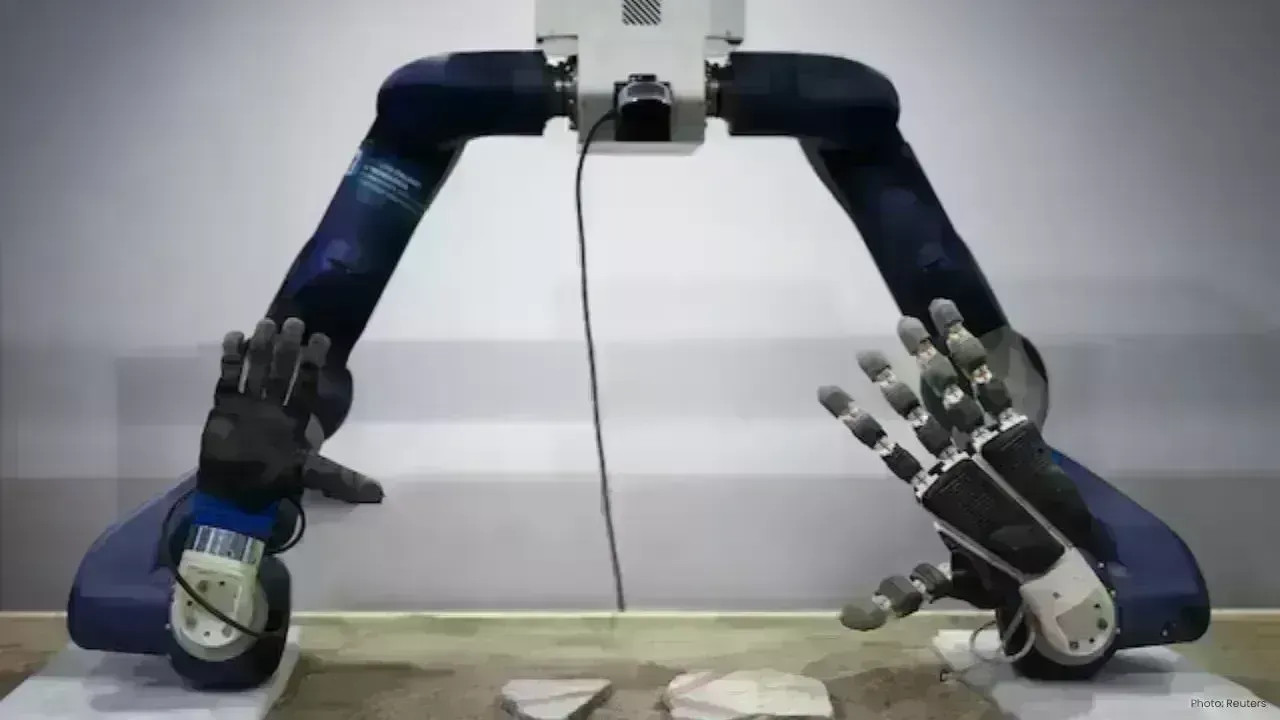
Pompeii, Italy — Within the storerooms of this historic archaeological wonder, previously deemed irreparable, pieces of Roman frescoes are experiencing a remarkable revival. Thanks to the advanced robotic technology birthed from the EU-funded RePAIR project, experts are now capable of meticulously reconstructing thousands of ancient fragments that have been lying dormant for years.
This groundbreaking approach signifies a crucial advancement in the restoration of historical artifacts. Equipped with two robotic arms that boast flexible, ultra-sensitive hands and state-of-the-art vision sensors, the robotic system efficiently identifies, lifts, and aligns fresco fragments with a precision far beyond human capability, which often requires arduous trial and error over countless years. Machine-learning innovations steer this intricate puzzle-solving, discerning subtle color traces, faint patterns, and edge matches that evade the naked eye.
The inception of this initiative traces back to 2021 when researchers faced the daunting task of reviving artworks trapped in the depths of Pompeii's storerooms: ceiling murals ravaged by the catastrophic eruption in AD 79, further damaged during World War Two, alongside frescoes from the House of the Gladiators, which crumbled in 2010. To ensure safety, replica fragments were created for initial tests, allowing the team to hone the robot’s movements without jeopardizing the integrity of the original pieces.
Collaboration flourished as engineers and archaeologists worked hand in hand, with the robotic system sorting through mixed fragments akin to a colossal, historical jigsaw puzzle. Lacking any reference images of the original artworks, reconstruction efforts heavily depend on techniques like pattern recognition, texture mapping, and small pigment indicators preserved after centuries under volcanic ash.
What previously required extensive manual restoration is now being expedited through the harmonious blend of robotics and archaeological expertise, presenting a pathway to recover long-lost masterpieces. As trials progress within Pompeii, this innovative technology is already being hailed as a promising blueprint for restoring damaged heritage at sites globally.



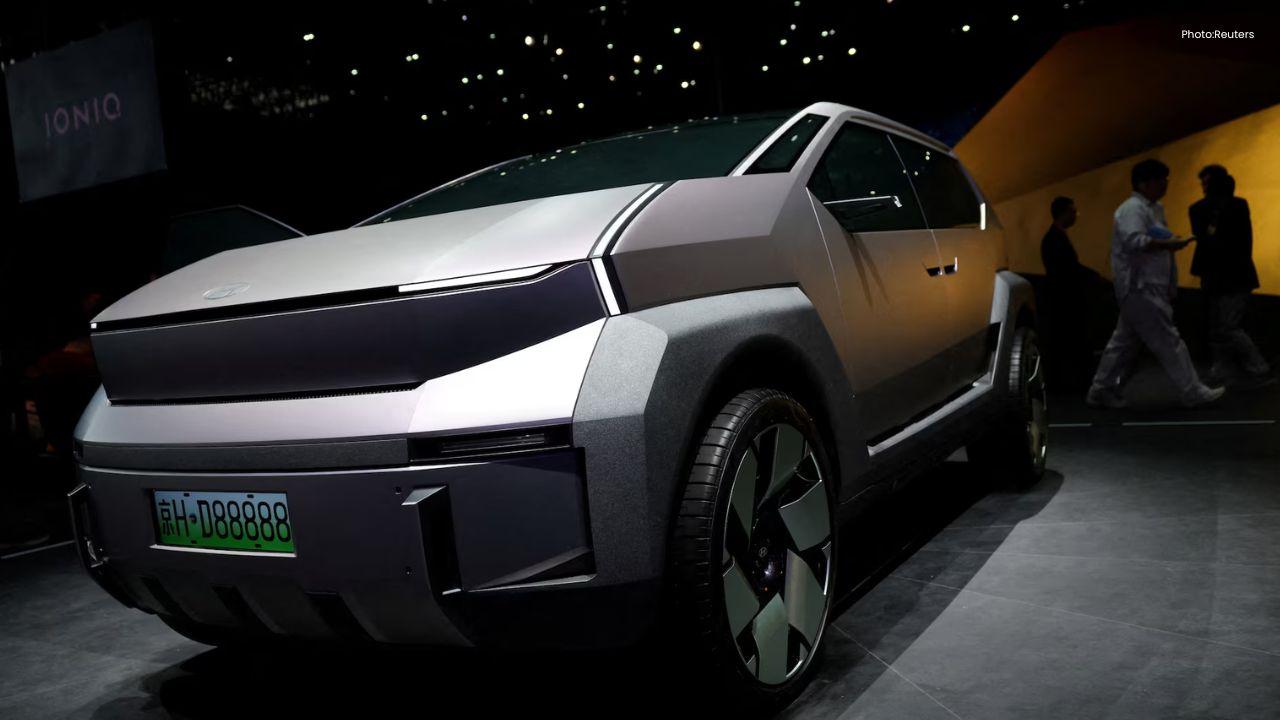





Hyundai raises profit target, expands hybrid lineup in the US
Hyundai hybrid cars get a major boost as the automaker raises its profit margin target and plans new

Josh Kerr and Jakob Ingebrigtsen Set for 1,500m Rivalry Rematch
Josh Kerr and Jakob Ingebrigtsen will renew their 1,500m rivalry at the Ultimate Championship in Bud

PSG Coach Luis Enrique Urges Players to Step Outside Comfort Zone
PSG coach Luis Enrique says players must leave their comfort zone and keep improving as the club tar
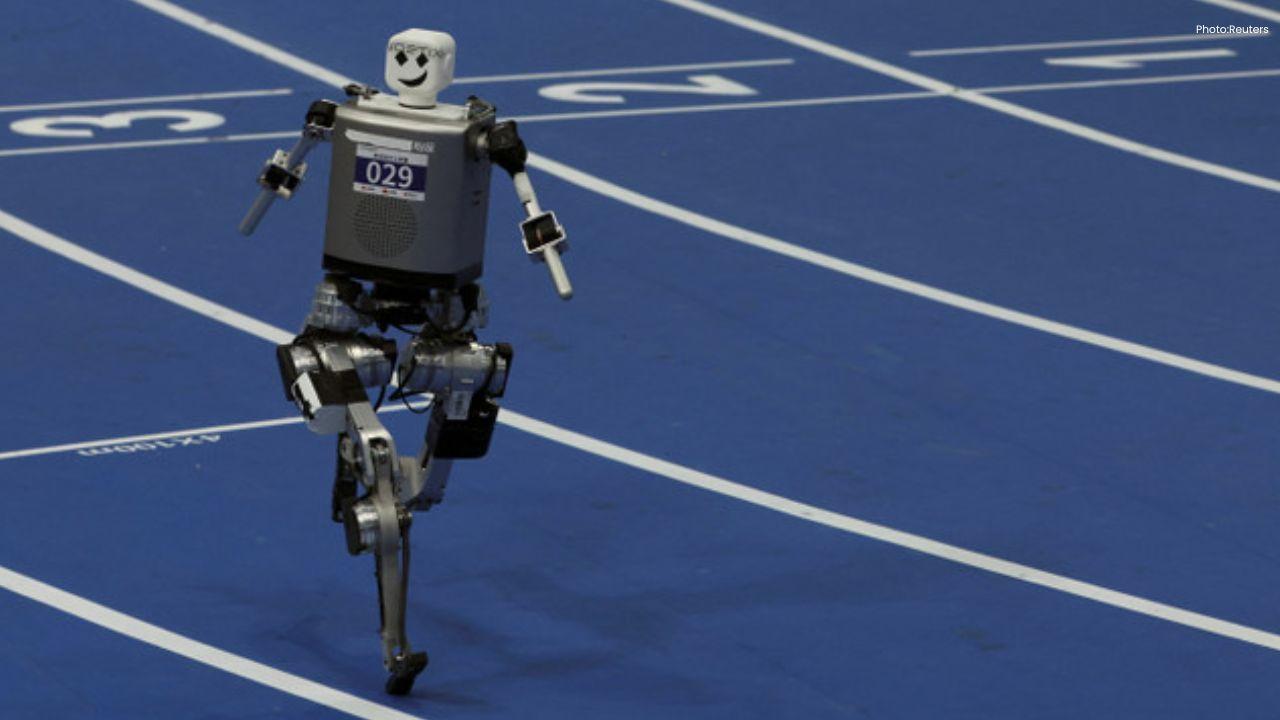
China’s Tiangong Sets New 400m Record at Robot Olympics
China’s Tiangong robot sets a new 400m record at the Robot Olympics, beating a South African robot i
George Russell Wins Dutch GP Sprint, Boosts Mercedes Morale
George Russell wins the Dutch GP Sprint from pole as Mercedes teammate Kimi Antonelli extends his F1

Australia 50/3 After Bangladesh Bowled Out for 64 in Second Test
Australia reached 50/3 after Bangladesh were bowled out for 64 in the second Test, with Mitchell Sta