You have not yet added any article to your bookmarks!
Join 10k+ people to get notified about new posts, news and tips.
Do not worry we don't spam!
Post by : Badri Ariffin
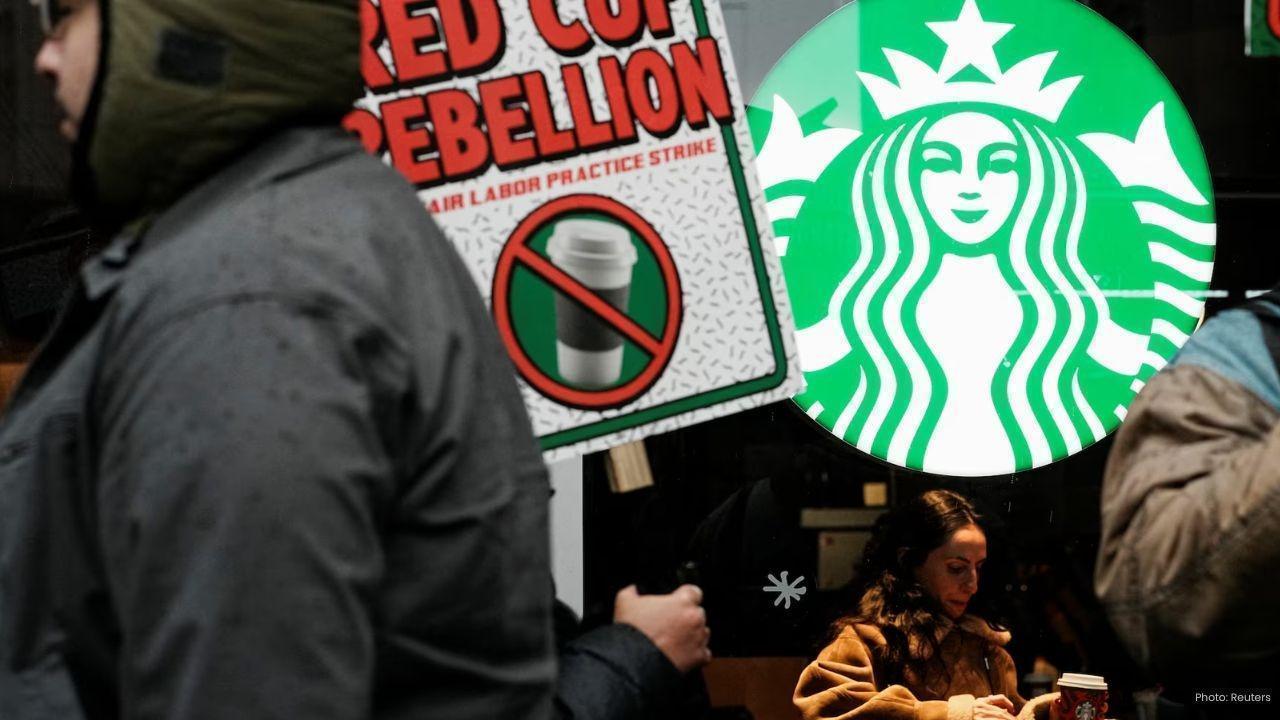
In a significant show of labor unrest, Starbucks baristas at 65 unionized stores across the US have gone on strike, pressing the coffee giant for higher pay, better staffing, and resolution of ongoing labor disputes. The walkout, organized by Starbucks Workers United, coincided with Red Cup Day, one of the company’s busiest holiday events, sending ripples across social media and news outlets.
Union Pushes for Fair Treatment
The union, formed four years ago, has successfully won elections at more than 600 Starbucks locations, roughly 5% of the company-owned US stores. Over 1,000 baristas in more than 40 cities are actively participating in this unfair labor practice strike. Union leaders emphasized that the action is designed to spotlight stalled contract negotiations, including disputes over wages, scheduling, and staffing.
“We’re risking a lot—our jobs, our livelihoods, our economic security,” said Dachi Spoltore, a striking barista from Pittsburgh. “This might be a game to Starbucks, but this isn’t a game for us.”
Staff Workload and Policy Frustrations
Baristas report long hours and heavy workloads, often managing shifts with minimal staffing. Brooklyn-based union member Rami Saied described 30-minute delays in drink orders due to inadequate support, while Kaari Harsila, a shift supervisor, said new policies restricting bathroom and water access to non-paying customers have sometimes fueled tension with patrons.
“The staffing really matters,” said Ms. Saied. “You’re just really working back-breaking work. It just leaves you without any dignity.”
Company Response and Turnaround Efforts
Starbucks has downplayed the impact of the strike, noting it affects less than 1% of its stores nationwide and that the majority of locations remain open. The company recently introduced a $500 million investment plan to improve staffing and training under CEO Brian Niccol’s “Back to Starbucks” strategy, which includes reintroducing comfy seating, enforcing a stricter dress code, and updating store policies.
Despite reporting 1% growth in same-store global sales last month, the US market remained flat. Starbucks argues that union pay demands could hurt operations and customer experience, with company spokespersons asserting that the brand already provides strong wages and benefits, averaging $30 per hour.
Stalled Negotiations
Contract discussions, which began in earnest last year, have faltered over key economic issues. While a mediator was introduced earlier this year, the sides remain at odds over pay raises, staffing levels, and hundreds of unresolved unfair labor practice charges. A union-offered proposal for the first-year pay increase was rejected, citing insufficient coverage for inflation and healthcare costs.
Growing Tensions
Analysts say the strike, though limited in scope, could intensify scrutiny on Starbucks, especially amid consumer backlash over high prices and leadership changes. With the potential for expansion to additional locations, both sides face mounting pressure to reach a resolution before further disruptions affect the brand’s reputation and holiday sales momentum.


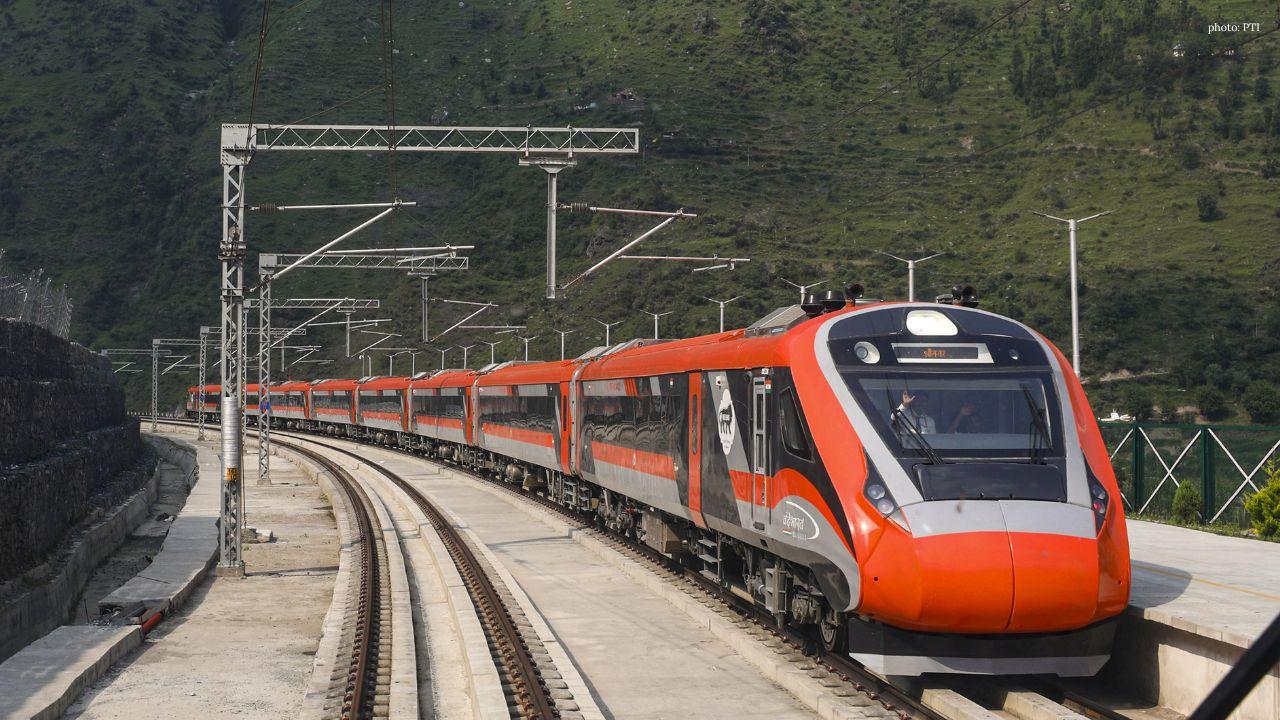


Hyundai raises profit target, expands hybrid lineup in the US
Hyundai hybrid cars get a major boost as the automaker raises its profit margin target and plans new

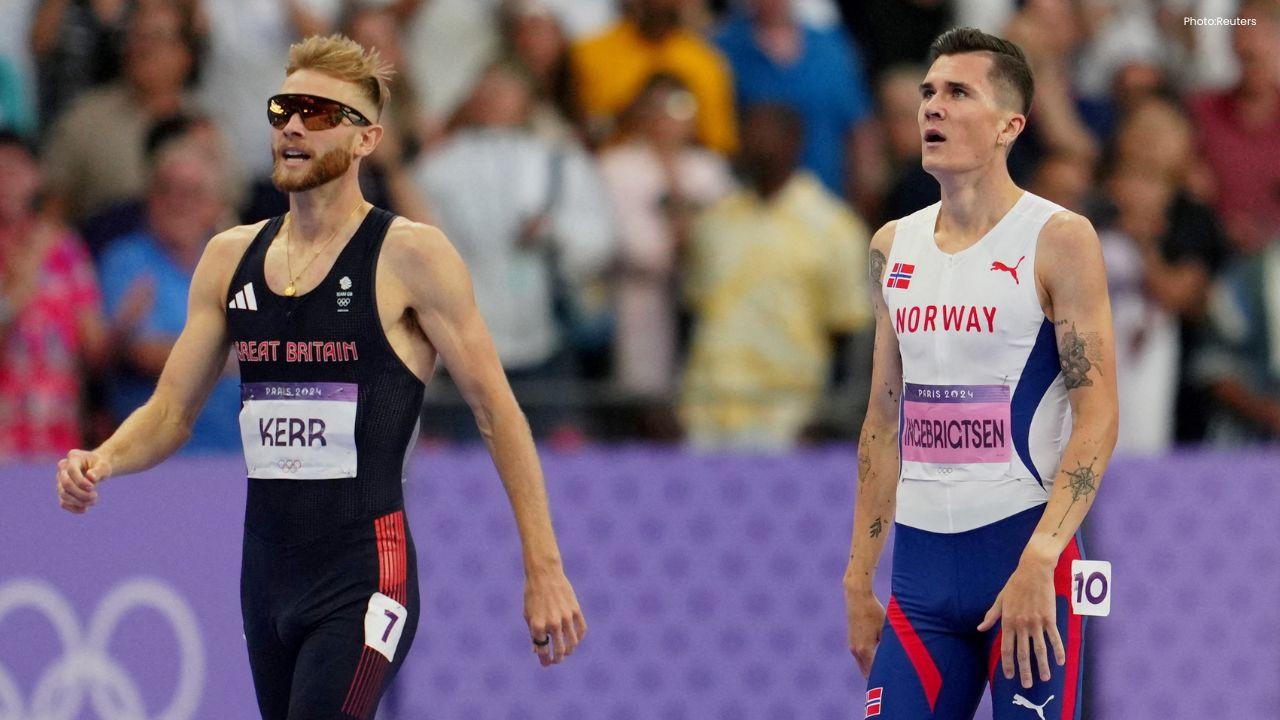
Josh Kerr and Jakob Ingebrigtsen Set for 1,500m Rivalry Rematch
Josh Kerr and Jakob Ingebrigtsen will renew their 1,500m rivalry at the Ultimate Championship in Bud
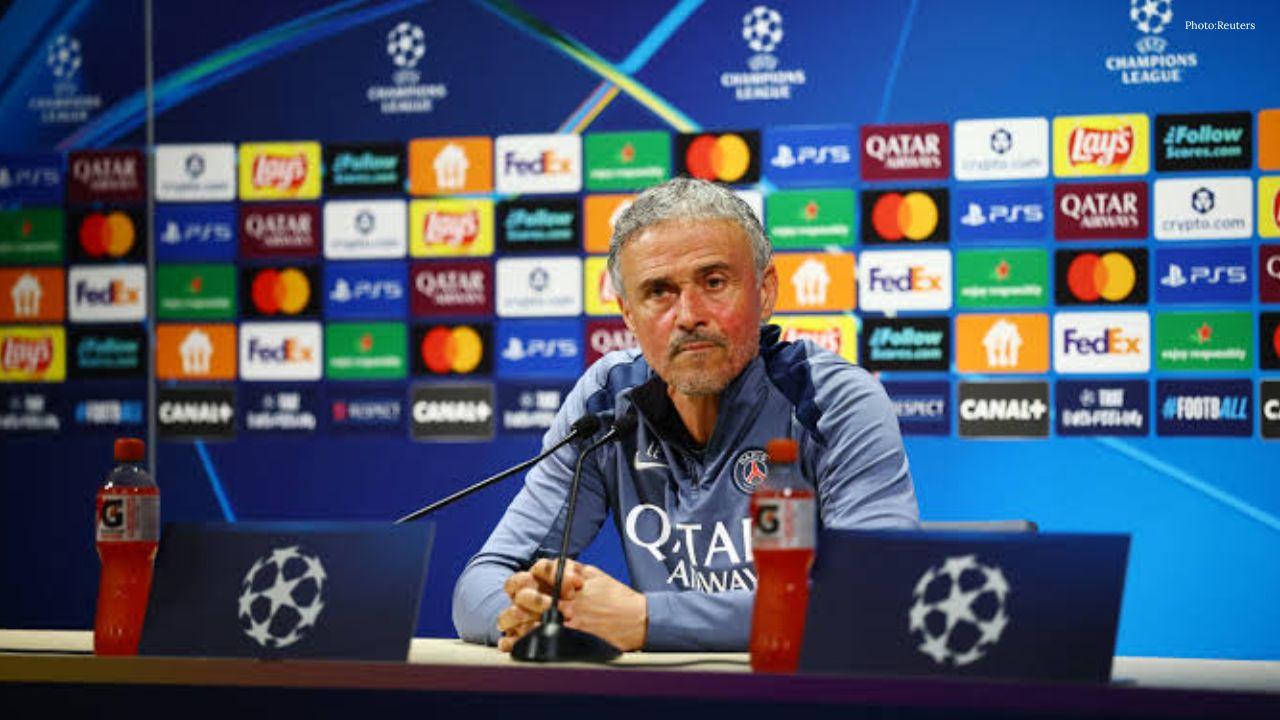
PSG Coach Luis Enrique Urges Players to Step Outside Comfort Zone
PSG coach Luis Enrique says players must leave their comfort zone and keep improving as the club tar
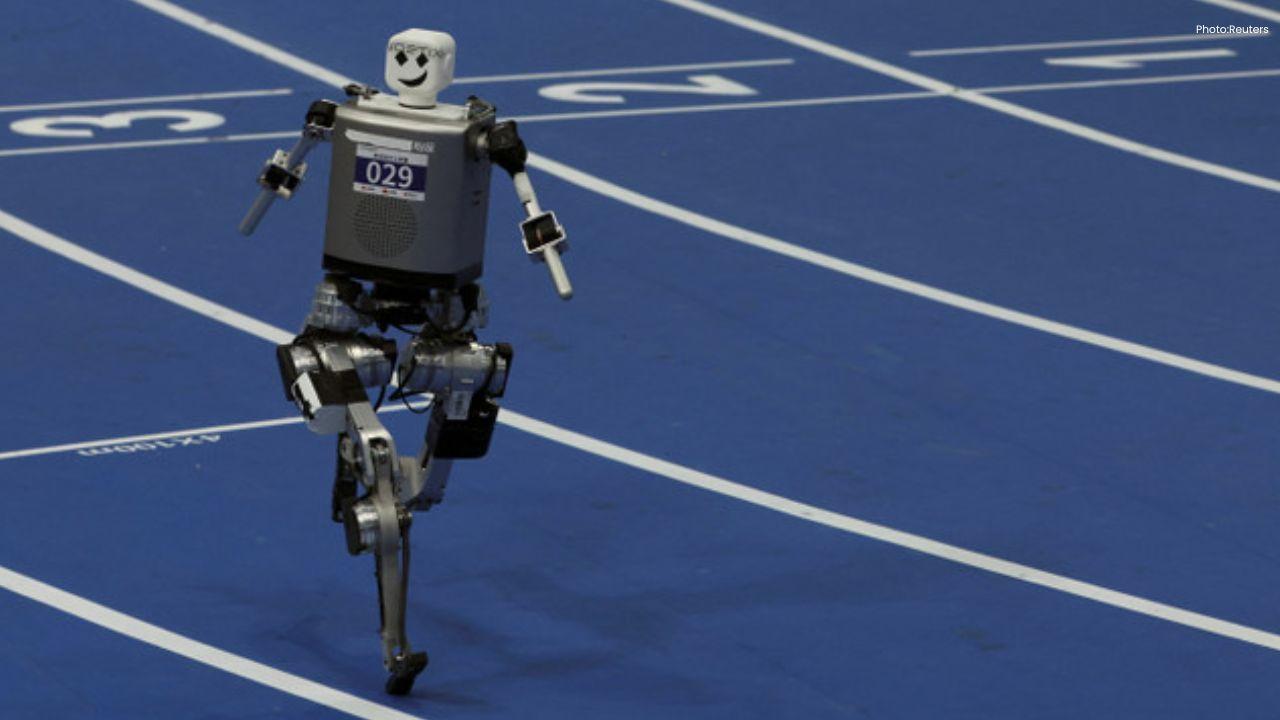
China’s Tiangong Sets New 400m Record at Robot Olympics
China’s Tiangong robot sets a new 400m record at the Robot Olympics, beating a South African robot i
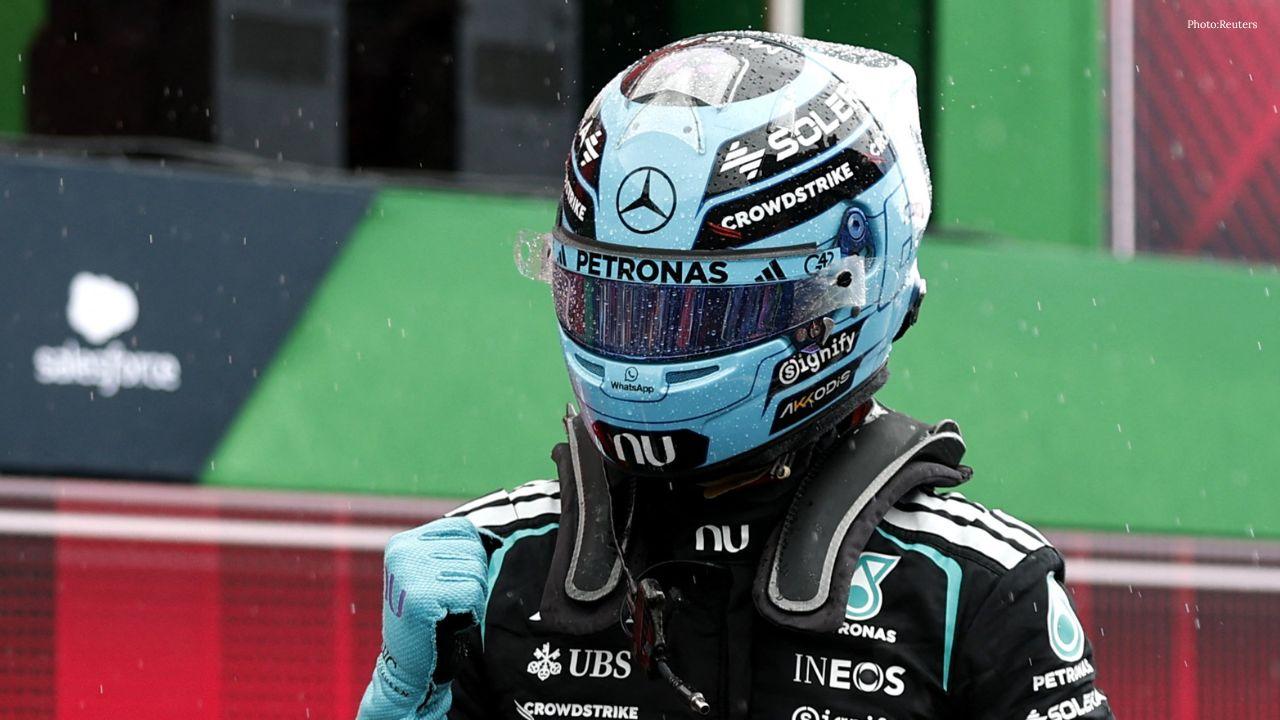
George Russell Wins Dutch GP Sprint, Boosts Mercedes Morale
George Russell wins the Dutch GP Sprint from pole as Mercedes teammate Kimi Antonelli extends his F1
Australia 50/3 After Bangladesh Bowled Out for 64 in Second Test
Australia reached 50/3 after Bangladesh were bowled out for 64 in the second Test, with Mitchell Sta