
You have not yet added any article to your bookmarks!
Join 10k+ people to get notified about new posts, news and tips.
Do not worry we don't spam!
Post by : Samjeet Ariff
Often overlooked, poor posture is a significant health concern that can contribute to various physical ailments. In today's world, where our activities involve long hours at screens and sedentary lifestyles, poor posture has surfaced as a major factor leading to chronic discomfort, fatigue, and hidden health issues. It's essential to recognize that posture affects much more than just how we stand or sit; it plays a crucial role in muscle function, joint movement, breathing, digestion, circulation, and mental health.
This comprehensive guide provides insights into how posture influences your health across all body systems, why symptoms may seem unrelated, and how it serves as an often unnoticed fundamental issue behind numerous health complaints.
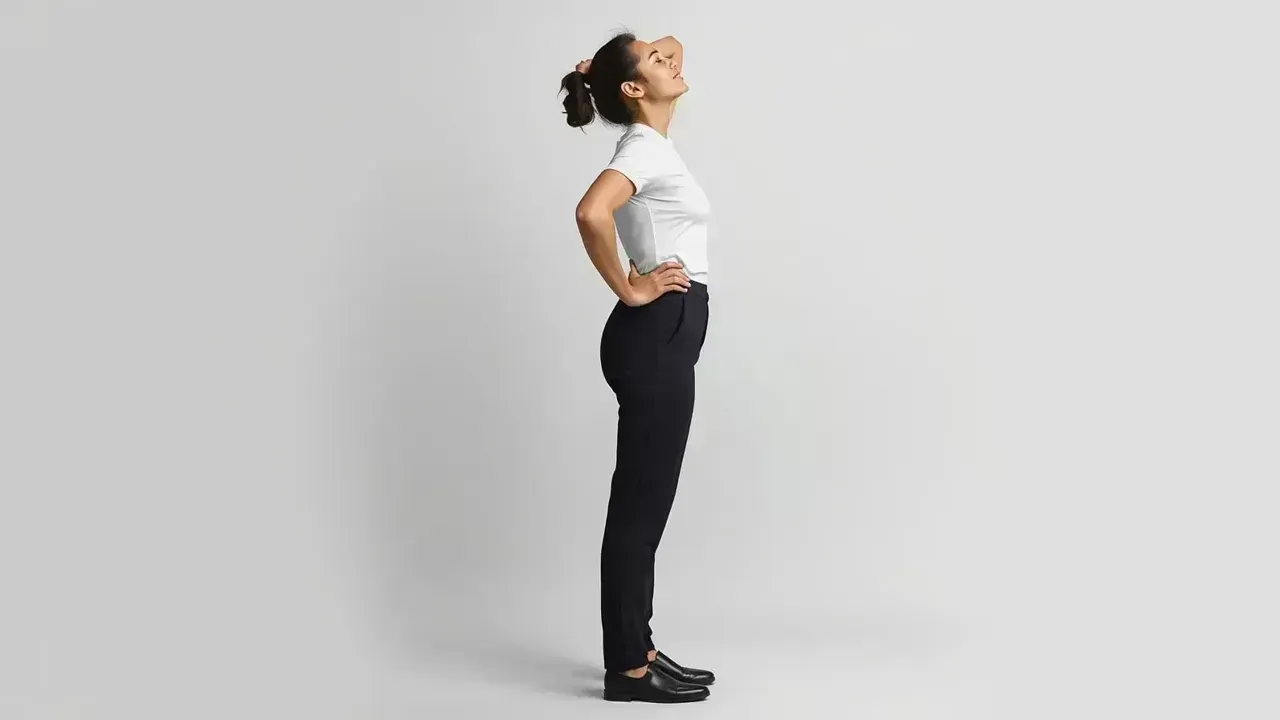
Posture defines how the body positions itself in relation to gravity when moving, sitting, or standing. Proper posture allows for the balanced functioning of bones, joints, and muscles. Conversely, poor posture arises when the body remains misaligned, compelling muscles and joints to exert more effort than usual.
Extended periods of sitting
Hunching over devices
Weak core strength
Poor ergonomic setups
Insufficient physical activity
Muscle tension from stress
Due to daily reinforcement of these habits, the body adjusts to incorrect posture, deeming it 'normal.'
The human structure functions as an interconnected system. An issue in one area can create complications throughout.
Bad posture can lead to some muscles becoming overactive and tense, while others falter and become underutilized. For example:
Forward head position strains neck and chest
Hunched shoulders weaken upper back muscles
Anterior pelvic tilt tightens hip flexors and weakens glutes
This imbalance adds pressure and decreases movement efficacy.
Misaligned joints experience:
Imbalanced pressure
Accelerated cartilage wear
Increased risk for arthritis
Chronic conditions such as stiffness and joint degeneration can evolve over time.
The neck is often the first to feel the consequences of poor posture.
Shifting the head forward increases weight strain on the neck:
Compression of cervical vertebrae
Stretched neck muscles
Nerve irritation
This is a common contributor to tension headaches and cervicogenic issues.
Constriction from tight muscles impedes motion, resulting in discomfort during movement and greater injury risks.
Swayed shoulders disturb proper shoulder function.
Shoulder joints misalign
Strain on rotator cuff muscles
Weakness in upper back musculature
This can lead to pain while lifting, reaching, or even sleeping.
Left unchecked, postural concerns can lead to frozen shoulder, impingement syndromes, and chronic upper back discomfort.
A well-aligned spine is crucial for even load distribution.
Poor posture raises strain on spinal discs, particularly in the neck and lumbar regions. Effects include:
Decreased hydration of discs
Accelerated disc deterioration
Heightened risk for bulging or herniated discs
Over time, this may lead to chronic back pain and stiffness.
Lower back discomfort is frequently tied to poor posture.
Extended sitting can shorten hip flexors and weaken the core, causing a forward pelvic tilt that stresses the lower back.
Chronic lower back discomfort
Compromised core stability
Heightened risk of injury during daily activities
Inadequate posture can force the lower back to carry undue stress.
Your posture may be limiting your breathing capacity.
Slouched positioning compresses the diaphragm and rib cage, which restricts lung expansion. The results can be:
Shallow breath
Lower oxygen intake
Increased fatigue
Many are unaware of how posture impacts their breathing efficiency.
Inadequate oxygen supply dampens cellular energy production, leading to chronic fatigue and impaired focus.
Surprisingly, posture can influence digestion in unexpected ways.
Slouched sitting can compress abdominal organs, thereby slowing digestion. Possible consequences include:
Acid reflux
Bloating
Constipation
Poor nutrient uptake
Eating while slouched can worsen digestive woes.
Optimal alignment is crucial for blood flow and nerve function.
Poor posture tends to compress blood vessels, particularly around the neck, shoulders, and hips. Resulting effects include:
Reduced oxygen supply
Impeded nutrient transportation
Difficulty removing waste
Pinched nerves can result in numbness, tingling, or pain radiating through the arms and legs.
Inadequate posture overburdens muscles, demanding continual effort to maintain an upright position.
Heightened muscle tension
Increased energy use
Reduced efficiency of movements
The body tires quicker, even with basic tasks.
Posture can heavily influence mental states.
Slouched positions have been correlated with:
Heightened stress levels
Decreased self-esteem
Lowered alertness
Standing tall fosters improved breathing and a more balanced nervous system, positively impacting mood.
Proper posture is key to maintaining balance.
Misalignment shifts the body's center of gravity, heightening the risk of falls and diminishing coordination, especially in older adults.
Initially seen as innocuous, poor posture can lead to:
Chronic musculoskeletal pain
Limited mobility
Degenerative spinal issues
Diminished life quality
Increased reliance on pain relief medications
These issues typically develop gradually, making poor posture an often-overlooked health risk.
Devices lead to forward head positions.
Lack of movement undermines muscular support for posture.
Stress can tighten muscles, reinforcing poor postural patterns.
Today's posture issues are often the result of external factors, not purely habit-related.
Posture is a dynamic interaction, not simply about maintaining an upright position.
Strengthening weak muscles
Enhancing flexibility
Adjusting movement patterns
Optimizing ergonomic work setups
Merely forcing yourself to 'sit straight' fails to tackle underlying imbalances.
Regular neck or back discomfort
Shoulder tightness
Frequent headaches
Digestive distress while seated
Unexplained fatigue
Feeling tingling in limbs
Being aware early can avert long-standing issues.
Correcting posture is about developing strong daily awareness rather than seeking shortcuts. Consistent minor adjustments can achieve lasting improvements.
Poor posture transcends being a simple problem; it acts as a systemic stressor affecting movement, breathing, digestion, focus, and your emotional well-being. Long-term neglect amplifies its detrimental effects.
Addressing posture can be among the most effective, cost-effective, and preventative health measures you undertake. Your body operates optimally when it is aligned, supported, and in balance.
This article aims to inform and does not substitute for medical advice. Individual responses to postural issues and symptoms can vary. For ongoing discomfort, neurological complications, or any functional challenges, speak with an appropriate healthcare provider—such as a physiotherapist, orthopedic expert, or medical doctor—for suitable assessment and treatment.










AI Companies Expected to Drive Most US Earnings Growth in Q3
AI companies are expected to drive US third-quarter earnings growth as investors assess tech profits

Money Market Funds See Record Inflows as Global Bond Selloff Intensifies
Global money market funds attract $153.81 billion as bond yields rise, inflation fears persist and i

Meta Bans TikTok Ads on Facebook and Instagram in Seven Countries
Meta has banned TikTok ads in seven countries, escalating competition over social media users, adver

ASML and Zeiss Target Next-Generation Chip Technology in 10 Years
ASML and Carl Zeiss are developing Hyper NA technology to print smaller chip circuits, with the next

Rabada Misses First Australia Test as South Africa Pick Two Spinners
Kagiso Rabada misses the opener as South Africa vs Australia begins, with Anrich Nortje returning an

Starc Compares Australia's Tough Year to McIlroy's Major Sweep
Mitchell Starc says Australia winning three away Test series and the World Cup would match Rory McIl

