
You have not yet added any article to your bookmarks!
Join 10k+ people to get notified about new posts, news and tips.
Do not worry we don't spam!
Post by : Samjeet Ariff
Gut health is crucial for overall wellness, affecting everything from digestion and immunity to mental clarity and skin health. A balanced microbiome and effective digestion are key to maintaining a healthy gut. Fruits serve as powerful allies in enhancing gut health because they are rich in fiber, water, antioxidants, enzymes, and prebiotics that support friendly gut bacteria. This comprehensive guide outlines the top fruits beneficial for digestion along with insights on how they operate in the gut and the best ways to enjoy them for optimal health benefits.
Fruits promote gut health in several key ways. First, they offer dietary fiber, which nourishes healthy gut bacteria and ensures regular bowel movements. Second, they harbor natural enzymes that help in food breakdown, alleviating digestive strain. Lastly, many fruits pack polyphenols and antioxidants that help cut down gut inflammation and enhance the intestinal lining's health. When consumed appropriately, fruits serve to improve digestion without inciting irritation to the gut, unlike processed foods.
Fiber is a vital nutrient for a healthy gut, with fruits being among the richest natural sources. There are two principal types of fiber. Soluble fiber absorbs liquids and creates a gel-like substance that slows down digestion while feeding gut bacteria. Insoluble fiber adds bulk to stool, smoothing the transit of food through the digestive system. A well-functioning gut requires both types of fiber in balanced proportions.
Apples rank high on the list of gut-friendly fruits, thanks to their abundant pectin, a soluble fiber.
Pectin acts as a prebiotic, nurturing beneficial gut bacteria and aiding stool consistency.
Apples alleviate constipation and help prevent diarrhea by normalizing bowel movements.
Consuming apples with the skin maximizes their fiber and antioxidant advantages.
They are especially beneficial for individuals suffering from sluggish digestion and inconsistent bowel habits.
Bananas are kind to the stomach, making them perfectly suitable for those with sensitive digestion.
They feature resistant starch, which nourishes beneficial gut bacteria.
Bananas help restore gut balance during bouts of diarrhea and provide comfort to the intestinal lining.
While ripe bananas are simple to digest, slightly unripe ones are better for gut bacteria thanks to their higher levels of resistant starch.
These fruits are often recommended during recovery from gut disturbances or infections.
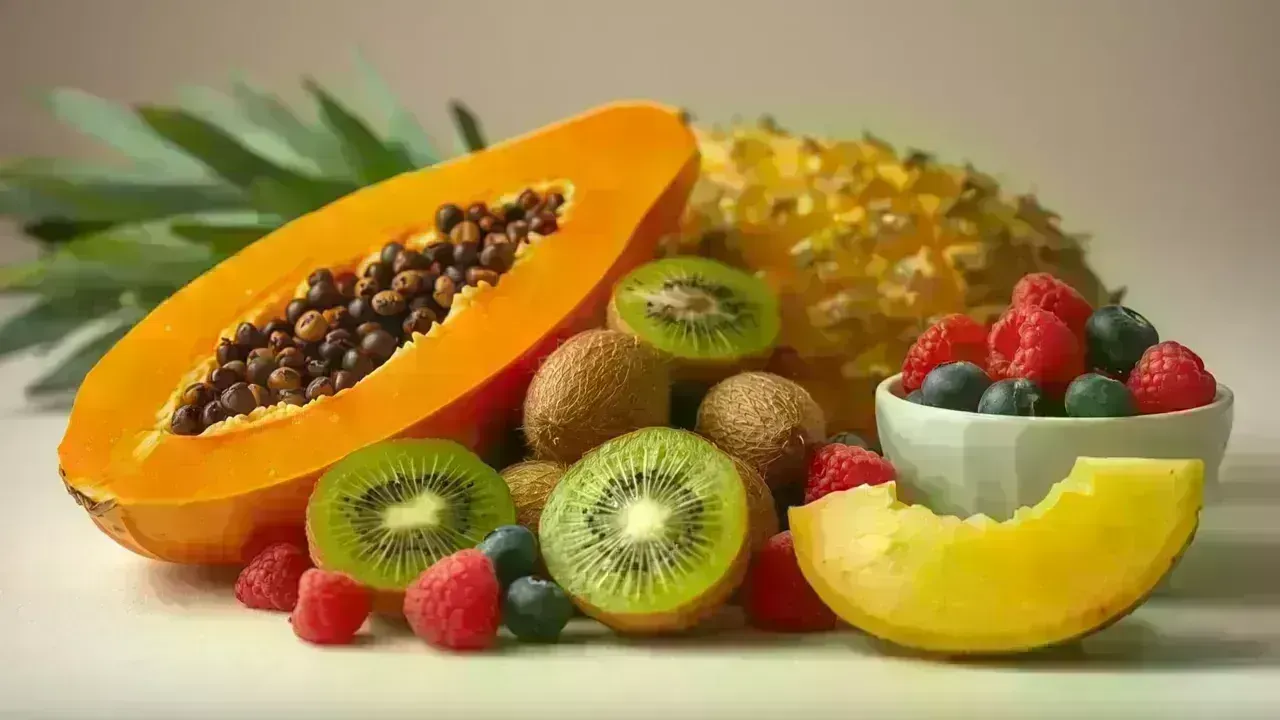
Papaya stands out as one of the best fruits for digestion due to the presence of the enzyme papain.
Papain helps break down proteins and eases bloating, gas, and discomfort after meals.
Incorporating papaya into your diet can enhance digestive efficiency and is particularly beneficial for those with slow digestion.
This fruit can also ease inflammation in the digestive tract, supporting gut repair.
Consuming papaya post-heavy meals can lead to noticeable improvements in digestion.
Pineapple contains bromelain, an effective digestive enzyme.
Bromelain enhances protein digestion and curtails gut inflammation.
Pineapple offers relief from bloating and aids nutrient absorption.
Fresh pineapple is more potent than its canned version, which often loses active enzymes.
Moderation is critical, as excessive consumption may upset sensitive stomachs.
Various berries like blueberries, strawberries, raspberries, and blackberries are beneficial for gut health.
They are loaded with polyphenols that stimulate the growth of beneficial gut bacteria.
Berries provide a balance of soluble and insoluble fiber, maintaining both digestion and bowel health.
With their antioxidant properties, they also help in alleviating gut inflammation.
Regular intake is associated with enhanced diversity in the gut microbiome.
Kiwi is a fruit with substantial scientific backing for digestion.
It possesses actinidin, an enzyme that boosts protein breakdown in the gut.
Kiwi enhances stool softness and frequency, making it especially effective against constipation.
It promotes gut motility without inciting cramps or irritation.
Eating one to two kiwis daily may significantly enhance comfort during digestion.
Citrus fruits such as oranges, sweet limes, and grapefruit offer multi-faceted support for digestion.
They are abundant in soluble fiber and flavonoids that promote a balanced gut microbiome.
Citrus also stimulates digestive juices, enhancing food breakdown processes.
These fruits are effective for preventing constipation while ensuring hydration in the gut.
Individuals sensitive to acidity may prefer consuming citrus earlier in the day while avoiding excess.
Pears are noted for their high water content and soluble fiber.
These attributes contribute to gentle digestion and maintaining soft stools.
Pears are especially effective for individuals experiencing chronic constipation.
Eating pears with the skin boosts their fiber benefits.
They are suitable for all age groups and easy to digest.
Guava boasts significant fiber and digestive-supportive properties.
It promotes regular bowel movements and assists in gut cleansing.
The seeds in guava enhance stool bulk, facilitating intestinal movement.
Moreover, guava exhibits antimicrobial effects that foster gut balance.
For sensitive digestion, moderate consumption is advisable.
Fresh and dried figs are potent natural laxatives.
They comprise both soluble and insoluble fiber.
Figs alleviate constipation and bolster gut motility.
Soaked figs are particularly effective for promoting morning bowel movements.
Those with sensitive digestion should start with smaller servings.
Prunes stand out as one of the most effective fruits for easing constipation.
They contain sorbitol, a natural sugar alcohol that draws water into the intestines.
Prunes can boost stool frequency and softness.
They are notably beneficial for elderly individuals and those with sedentary lifestyles.
It is essential to maintain moderation, as excessive intake can lead to gas.
Avocados enhance gut health thanks to their fiber and healthy fat content.
They provide both soluble and insoluble fiber.
Avocados help mitigate inflammation in the digestive tract.
Their healthy fats foster nutrient absorption and bolster the gut lining's health.
Additionally, avocados encourage the growth of beneficial gut bacteria.
Watermelon plays a role in digestion primarily through its hydrating properties.
Its high-water content aids in preventing constipation.
This fruit promotes smooth digestion, particularly during warmer weather.
Watermelon is gentle on the digestive system.
For optimal results, it is best consumed alone.
Certain fruits effectively nourish beneficial gut bacteria.
Examples include apples, bananas, berries, kiwi, and pears, which provide prebiotic fibers.
These prebiotics improve diversity in the microbiome and strengthen gut immunity.
Consistent consumption enhances digestion over the long term rather than offering immediate solutions.
For constipation: Kiwi, prunes, figs, pears, apples
For bloating: Papaya, pineapple, bananas
For sensitive stomachs: Bananas, apples, watermelon
For gut inflammation: Berries, avocados, citrus fruits
To ensure the best absorption, consume fruits on an empty stomach or between meals.
Thoroughly chewing fruits helps lighten the digestive burden.
Avoid pairing them with heavy protein meals.
Opt for whole fruits instead of juices to maintain fiber content.
Wash fruits properly to prevent gut irritation from residues.
Overeating fruit can lead to bloating.
Mixing fruits with processed foods can hinder their digestive benefits.
Drinking cold water right after eating fruit may slow down digestion.
Lack of variety can restrict microbiome diversity.
Relying on fruit juices may eliminate crucial fiber.
Consuming fruit in the morning bolsters bowel movements.
Midday consumption aids digestion without feelings of heaviness.
Eating fruits late at night may result in bloating for some individuals.
For long-term gut health, consistency is more important than timing.
Those with irritable bowel syndrome may need to limit their intake of high-FODMAP fruits.
Diabetics should be mindful of portion sizes due to natural sugars.
Individuals prone to acid reflux should avoid citrus fruits in the evening.
Gradual incorporation can help mitigate digestive discomfort.
Fruits provide one of the most effective natural methods for supporting gut health and facilitating digestion. When chosen wisely and consumed correctly, they help maintain bowel regularity, nourish beneficial gut bacteria, reduce inflammation, and enhance nutrient absorption. While no single fruit can serve as a panacea, a varied diet abundant in fruits creates a strong foundation for sustained digestive wellness. Paying attention to your body's signals and maintaining balance is essential for a happy gut.
This article serves informational purposes only. Individual digestive responses may vary, and we advise consulting a healthcare professional for tailored dietary guidance.










Michael Bracewell Chooses Casual Contract, Targets BBL Opportunity
Michael Bracewell moves to a casual contract as he eyes a BBL opportunity while remaining available

Tuchel Says Alex Scott Can Challenge Declan Rice for England Midfield Spot
Thomas Tuchel says Alex Scott can challenge Declan Rice for an England midfield place after his impr

Air Quality Turns Unhealthy in Central and Western Singapore Amid Haze
Singapore haze pushes PSI above 100 in central and western areas as smoke from regional hotspots rai

PM Modi Pays Tribute to Mahatma Gandhi, Urges People to Support Khadi
PM Modi pays tribute to Mahatma Gandhi on Gandhi Jayanti and urges citizens to support Khadi and the

Amazon Seeks to Offload $8 Billion in Nvidia Chips to Investors
Amazon plans to move $8 billion in Nvidia chips to investors, using a new financing model to strengt

Samsung Raises Galaxy S26 Prices as Memory Chip Costs Rise
Samsung raises Galaxy S26 prices in South Korea as rising memory chip costs put pressure on smartpho

