
You have not yet added any article to your bookmarks!
Join 10k+ people to get notified about new posts, news and tips.
Do not worry we don't spam!
Post by : Sameer Farouq
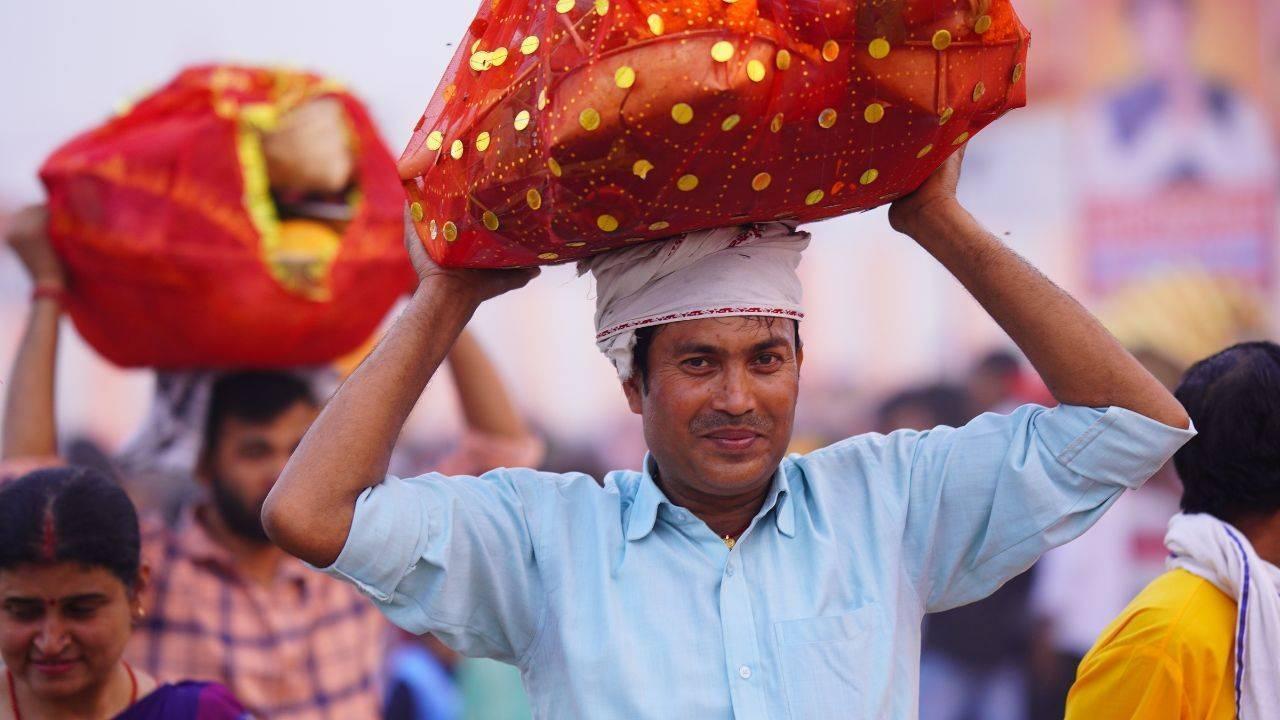
Chhath Puja stands out as one of the most significant festivals within Hinduism, predominantly observed in Bihar, Jharkhand, Uttar Pradesh, and Nepal. This festival celebrates Lord Surya (the Sun God) and Chhathi Maiya (Goddess of Power), showcasing a remarkable combination of faith, gratitude, and a natural lifestyle. Taking place six days post-Diwali, Chhath Puja is distinct in its rigorous fasting, sacred bathing rituals, and prayers offered at riverbanks or water bodies. These traditions highlight not only worship but also a deep respect for nature, health, and familial ties.
The origins of Chhath Puja can be traced back to ancient Vedic practices and it has been referenced in numerous Hindu texts. In folklore, it is noted that Lord Ram and Sita marked Chhath Puja upon their return from exile, while Draupadi undertook similar rites in the Mahabharata to secure the well-being of her spouses.
As centuries rolled on, the festival gained prominence in eastern India, especially with the encouragement of local rulers who supported its observance. The enduring practice of Chhath Puja over millennia illustrates its profound spiritual and cultural value, venerating the Sun as the source of life.
Chhath Puja transcends the notion of just a festival; it serves as a profound spiritual experience with various meanings.
The celebration expresses thankfulness to the Sun God, vital for existence and agricultural prosperity. Practitioners offer arghya (water rituals) to the sun during its rise and set, seeking wellness, prosperity, and long life.
Moreover, it instills an ethos of environmental respect. Performing rituals near water fosters ecological awareness and cleanliness. The fasts, abstinent practices, and organized lifestyle reflect self-discipline, purity, and mental strength. The festival also nurtures family connections and community spirit, as rituals are conducted as a collective and offerings are shared.
Chhath Puja unfolds over four key days, each with specific rituals:
1. Nahay-Khay (Initial Day)
Participants cleanse themselves by bathing in rivers or ponds and enjoy a simple meal of rice, lentils, and vegetables, symbolizing the beginning of the celebration. This act is vital for both physical and spiritual cleansing.
2. Lohanda and Kharna (Second Day)
This day marks the start of fasting with Kharna, where devotees forgo water until sunset. They prepare khichdi, puris, and sweets made from jaggery for offering, followed by Lohanda, involving family prayers and setting up the altar for Chhath Puja.
3. Sandhya Arghya (Evening Offerings)
The core ritual takes place with offerings to the setting sun. Devotees enter the waters while holding offerings such as fruits, sugarcane, and traditional thekua (sweet biscuits). Evening sessions consist of chants, folk songs, and prayers to Chhathi Maiya.
4. Usha Arghya (Morning Offerings)
The final day highlights offerings to the rising sun, marking the end of the fast. This day symbolizes the peak of devotion, gratitude, and spiritual completion.
The dishes prepared during Chhath Puja are sattvic, simple, and emblematic, embodying devotion and appreciation:
Thekua: Sweet cookies crafted from wheat flour, jaggery, and ghee signify purity.
Fruits: Seasonal selections like bananas, sugarcane, and coconuts symbolize wellness and abundance.
Rice and Lentils: Essential offerings to the Sun that represent sustenance.
Jaggery-based sweets: Symbolize life's sweetness and blessings from the divine.
These culinary creations are devoid of onion, garlic, or tamasic ingredients, thereby ensuring spiritual purity.
Although Bihar and Uttar Pradesh are recognized as the epicenters of Chhath Puja, the festival has resonated internationally and across various regions. In Nepal, similar customs flourish near rivers and ponds, maintaining the fasting and offerings tradition. Observances in Jharkhand and Madhya Pradesh feature folk songs, fairs, and collective prayers. Indian communities residing in Mauritius, Trinidad, Guyana, and around the world preserve these customs near lakes or artificial bodies of water. Regardless of regional differences, the unified spiritual theme of gratitude and solar veneration continues to thrive.
Chhath Puja imparts various lessons for life:
Discipline and Devotion: The process of fasting and rituals strengthens resilience and commitment.
Gratitude for Nature: Conducting rituals near water bodies promotes ecological mindfulness.
Spirit of Service: The festival fosters appreciation for life’s gifts and inspires community service.
Wellness and Health: The fasting and dietary customs encourage detoxification and overall health.
This event exemplifies the harmonious coexistence of spirituality, culture, and ecological balance.
This article serves educational and informational purposes exclusively. The rituals and meanings associated with Chhath Puja can vary across different regions and communities. Readers are advised to follow local customs or seek insights from knowledgeable elders. Participation in fasting or rituals should always consider personal health, dietary needs, or medical conditions. The authors and publishers are not responsible for any outcomes arising from the practices referenced herein.










PM Modi Pays Tribute to Mahatma Gandhi, Urges People to Support Khadi
PM Modi pays tribute to Mahatma Gandhi on Gandhi Jayanti and urges citizens to support Khadi and the

Amazon Seeks to Offload $8 Billion in Nvidia Chips to Investors
Amazon plans to move $8 billion in Nvidia chips to investors, using a new financing model to strengt

Samsung Raises Galaxy S26 Prices as Memory Chip Costs Rise
Samsung raises Galaxy S26 prices in South Korea as rising memory chip costs put pressure on smartpho

Lewis Hamilton Calls Singapore Grand Prix One of F1's Toughest Races
Lewis Hamilton discusses the demanding Singapore Grand Prix and brings Plus44 and Almave to Singapor

Denmark's Pandora Opens World's Largest Jewellery Factory in Vietnam
Pandora opens its largest jewellery factory in Vietnam, expanding global production, strengthening s

Gautam Gambhir Questions Batting-Friendly Pitches After India's Record ODI Chase
Gautam Gambhir questions batting-friendly ODI pitches after India’s record chase, calling for a bett

