
You have not yet added any article to your bookmarks!
Join 10k+ people to get notified about new posts, news and tips.
Do not worry we don't spam!
Post by : Samjeet Ariff
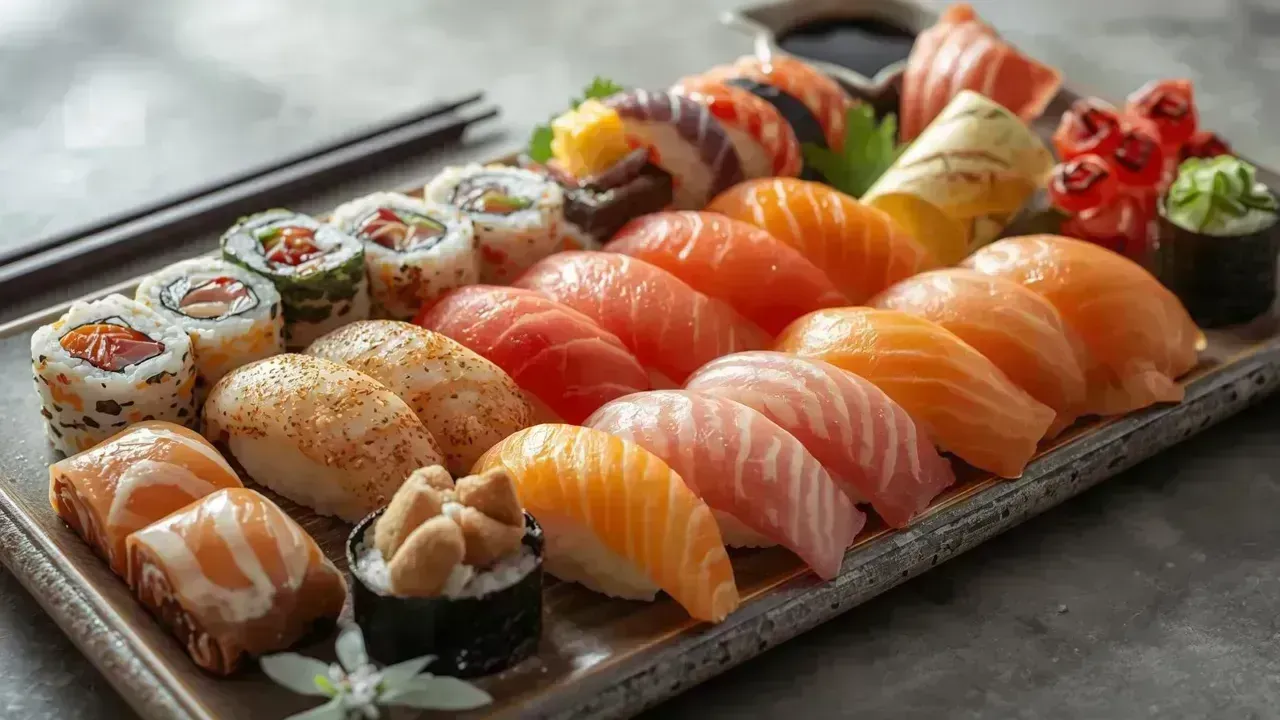
Sushi ranks among Japan's most iconic culinary delights, yet its various types can be confusing for diners unfamiliar with them. More than just raw fish, sushi encompasses vinegared rice combined with seafood, vegetables, or various toppings. Gaining insight into the primary types of sushi will enhance your dining confidence and appreciation of this art form. This guide will detail Nigiri, Maki, Sashimi, Uramaki, and Temaki, illustrating their differences and the best occasions for each.
Sushi is characterized by seasoned rice rather than raw fish. The rice is seasoned with vinegar, sugar, and salt, resulting in a slightly tangy flavor. Some sushi forms include rice, while others like sashimi do not, yet they are frequently grouped together in menus. The intricate balance of rice, toppings, texture, and freshness defines high-quality sushi.
Nigiri is one of the most esteemed forms of sushi.
It features a small oval of hand-formed sushi rice topped with a slice of fish or seafood, which can be raw, partially cooked, or cured.
Typical toppings include tuna, salmon, shrimp, eel, sea bream, and scallops.
Nigiri emphasizes simplicity and balance, allowing the fish's flavor to shine without distractions.
Typically consumed in one bite, it is gently dipped, fish-side down, into soy sauce to keep the rice intact.
This type offers a pure and traditional sushi experience, perfect for beginners.
Maki refers to sushi that is rolled within seaweed.
It involves spreading rice over nori, adding fillings, and rolling them into a cylinder that’s sliced into bite-sized pieces.
Maki rolls can include fish, vegetables, or both.
Popular versions encompass cucumber rolls, tuna rolls, salmon rolls, and avocado rolls.
Maki is user-friendly and visually appealing, making it popular among non-Japanese patrons.
It's ideal for sharing and suits those who prefer a mix of flavors rather than pure fish.
Sashimi is considered a sushi menu staple but technically is not sushi as it lacks rice.
It comprises thinly sliced raw fish or seafood served without any accompaniments.
Common sashimi options feature tuna, salmon, yellowtail, octopus, and scallops.
The focus here is on freshness, texture, and the art of preparation.
Typically paired with soy sauce and a hint of wasabi, sashimi suits those who favor clean, unadulterated seafood flavors and premium fish quality.
Uramaki is popularly recognized as inside-out sushi.
Here, the rice is external, while the seaweed encases the stuffing on the inside.
The outer rice layer is often adorned with sesame seeds, fish roe, or additional toppings.
Popular examples include California rolls and dragon rolls.
Uramaki gained fame particularly outside Japan, aiming to make sushi more accessible.
This variety is suitable for novices who prefer milder tastes or cooked ingredients.
Temaki is a cone-shaped, hand-rolled sushi.
It consists of seaweed encasing rice and fillings, shaped into a cone resembling an ice cream cone.
Meant for immediate consumption, it is typically eaten by hand.
Fillings often comprise fish, vegetables, rice, and sauces.
Since it is freshly assembled and uncut, temaki feels engaging and casual.
It's a favorite in informal settings and sushi gatherings.
Nigiri spotlights rice and fish harmony.
Maki emphasizes variety and combinations.
Sashimi underscores the quality of pure fish.
Uramaki introduces creative, multi-layered flavors.
Temaki offers freshness and a relaxed dining experience.
Each sushi type caters to various palates and dining scenarios.
Maki and uramaki are typically favored by beginners due to their mildness and familiar ingredients, while nigiri is perfect for those keen on trying authentic sushi.
Sashimi suits adventurous seafood enthusiasts, and temaki is excellent for casual dining where multiple fillings can be sampled.
Sushi can be enjoyed with either hands or chopsticks.
Nigiri should be dipped fish-side down into soy sauce.
Wasabi is traditionally added by the chef; excessive amounts can overwhelm the fish.
It’s best to consume sushi shortly after it’s served.
Ginger is provided to cleanse the palate between different types rather than placed on sushi itself.
In many countries, sushi menus often feature rolls accentuated with sauces and toppings.
Conversely, sushi in Japan tends to be more straightforward and focused on the fish.
Both approaches hold validity, but understanding these distinctions enhances dining expectations abroad.
Sushi symbolizes a rich and varied culinary experience, extending beyond one definitive dish. Nigiri showcases tradition, maki harmonizes flavors, sashimi presents purity, uramaki embodies creativity, and temaki delivers a laid-back vibe. Familiarity with these nuances encourages confident ordering and appreciation of sushi as it's meant to be relished.
This article is intended for informational purposes only. Sushi preparation, ingredients, and styles may differ by region and restaurant. Always take personal dietary requirements and food safety into consideration when consuming raw seafood.










Google Signs 3.6-GW Power Deal With Constellation Energy in US
Google signs a 3.6-GW power deal with Constellation Energy, including nuclear power upgrades to supp

Harmanpreet Kaur Steps Down as India Captain Across All Formats
Harmanpreet Kaur steps down as India captain across all formats after a remarkable leadership journe

Michael Bracewell Chooses Casual Contract, Targets BBL Opportunity
Michael Bracewell moves to a casual contract as he eyes a BBL opportunity while remaining available

Tuchel Says Alex Scott Can Challenge Declan Rice for England Midfield Spot
Thomas Tuchel says Alex Scott can challenge Declan Rice for an England midfield place after his impr

Air Quality Turns Unhealthy in Central and Western Singapore Amid Haze
Singapore haze pushes PSI above 100 in central and western areas as smoke from regional hotspots rai

PM Modi Pays Tribute to Mahatma Gandhi, Urges People to Support Khadi
PM Modi pays tribute to Mahatma Gandhi on Gandhi Jayanti and urges citizens to support Khadi and the

