You have not yet added any article to your bookmarks!
Join 10k+ people to get notified about new posts, news and tips.
Do not worry we don't spam!
Post by : Rameen Ariff
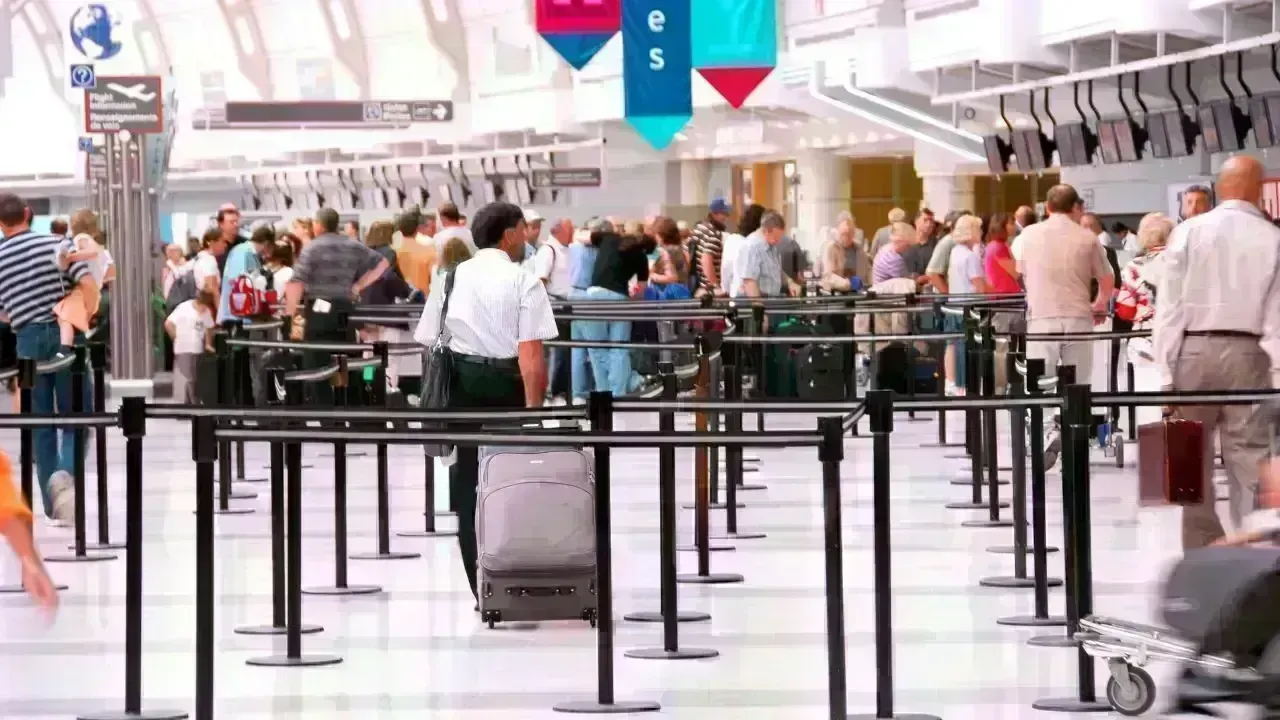
Vietnam’s aviation industry is showing remarkable post-pandemic growth, with double-digit increases in both passenger numbers and cargo traffic this year, and even stronger expansion anticipated in 2026, according to the Civil Aviation Authority of Vietnam (CAAV).
From January to November, the country’s airports handled a total of 69.3 million passengers and 1.2 million tonnes of cargo, reflecting growth of 10.8 percent and 18.5 percent respectively compared with the same period last year. Domestic travel accounted for 30.9 million passengers, up 7.4 percent, while international traffic reached 38.4 million, up 13.6 percent.
For the full year, the CAAV projects that passenger traffic will reach 84 million, an increase of 11.4 percent, with cargo volumes hitting 1.4 million tonnes, up 18 percent. CAAV Director Uông Việt Dũng highlighted that the strong growth is driven by rising travel demand and expanding international cooperation.
Looking ahead to 2026, the CAAV forecasts passenger numbers to rise 13 percent to 95 million and cargo volumes to increase 15 percent to 1.6 million tonnes. The growth is underpinned by Vietnam’s stable macroeconomic conditions, with GDP expected to grow by 10 percent or higher next year, boosting tourism and consumption.
Infrastructure improvements and regulatory reforms are also key to supporting this expansion. Major projects such as the first phase of Long Thành International Airport and upgrades at Gia Bình and Phu Quoc airports are expected to significantly enhance the country’s aviation capacity. The CAAV emphasized the need to remove bottlenecks in airport development and accelerate expansions to tackle congestion.
In addition, authorities plan to provide tax and fee incentives to strengthen airlines’ financial capacities, while further reforms in visa and tourism policies aim to attract more international visitors. The CAAV also cautioned about potential risks, including geopolitical tensions, fuel price volatility, and fluctuations in exchange and interest rates, which could affect aviation demand.
Long-term projections remain optimistic. A report by SHS Security predicts that with an average annual growth of 5-6 percent, Vietnam’s aviation market could serve around 150 million passengers by 2035 and 200 million by 2040, nearly two and two-and-a-half times pre-pandemic levels.
Vietnam currently operates 22 airports, including nine international and 13 domestic, with a combined design capacity of 106.5 million passengers per year. Under the national master plan for airport development for 2021-2030, the country aims to have 33 airports by 2030, including 14 international and 19 domestic, with a total capacity of 275.9 million passengers and 4.1 million tonnes of cargo annually, positioning Vietnam as a major aviation hub in Southeast Asia.









Japan Marks 15 Years Since Earthquake and Tsunami
Nation observes moment of silence as thousands remember victims of the 2011 triple disaster that res

Six Dead After Bus Fire Near Bern in Switzerland
Regional PostBus vehicle catches fire near Kerzers, triggering investigation by Swiss authorities

China Exports Surge Despite Trump Tariffs
Strong global demand for electronics and manufactured goods pushes China’s exports higher despite ri

Australian Designer Wins Trademark Case vs Katy Perry
Australia’s High Court rules fashion designer’s Katie Perry clothing brand does not infringe on the

China-North Korea Passenger Train Service Resumes
Beijing–Pyongyang and Dandong–Pyongyang rail links restart as the two countries restore travel conne

G7, IEA Urge Coordinated Oil Reserve Release as Prices Surge
G7 finance chiefs and IEA urge coordinated release of emergency oil reserves as Middle East tensions