
You have not yet added any article to your bookmarks!
Join 10k+ people to get notified about new posts, news and tips.
Do not worry we don't spam!
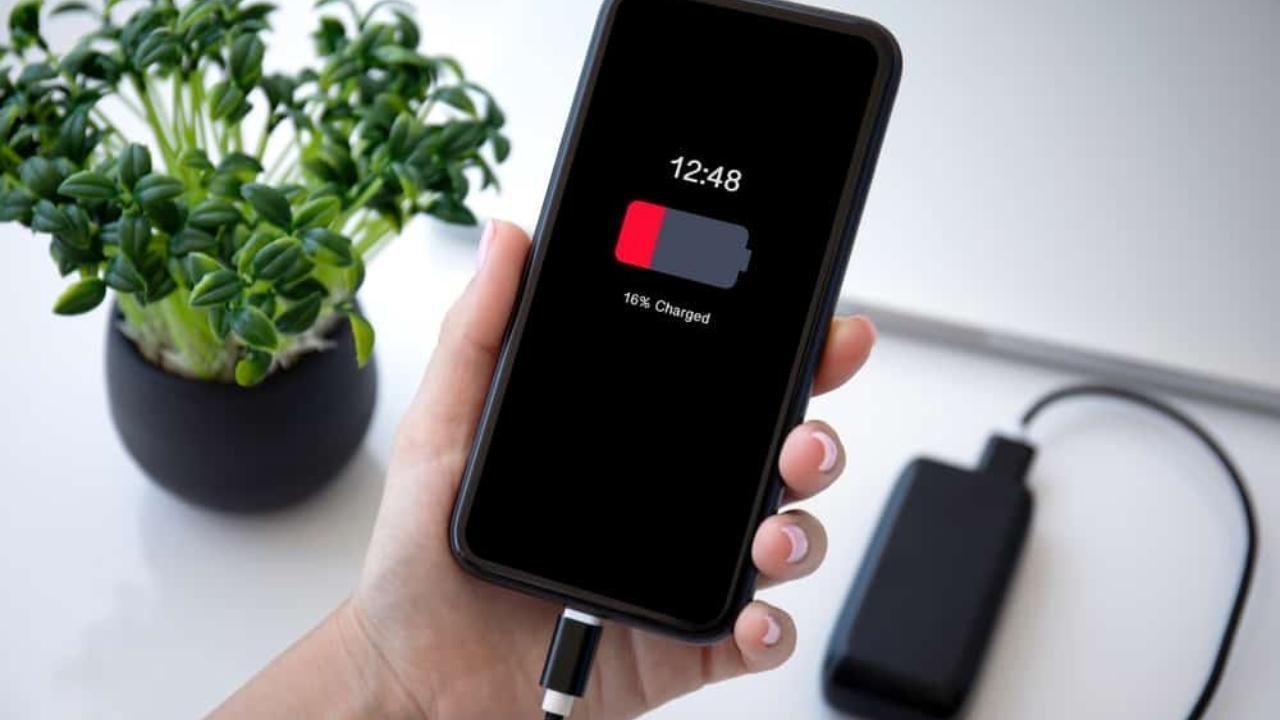
Post by : Anis Farhan
When you plug in your phone at night, it doesn’t charge at a constant speed until morning. Modern smartphones are designed to protect battery health, and that means deliberately slowing charging under certain conditions. What feels like “slowness” is often a safety feature working as intended.
Manufacturers now prioritise long-term battery lifespan over rapid overnight charging. This shift explains why phones may charge quickly to a certain percentage and then slow down dramatically.
Most smartphones use adaptive or optimised charging. Once the battery reaches around 80%, the system intentionally reduces charging speed. This prevents overheating and slows chemical wear inside the battery cells.
At night, the phone often predicts when you’ll wake up and delays the final charge until closer to that time. While this helps extend battery life, it can make charging appear unusually slow if you check the phone during the night.
Even when your phone is idle, it is rarely inactive. Background processes such as cloud backups, app updates, system maintenance, and data syncing often run overnight.
These tasks consume power while the phone is charging, reducing the net charging speed. In some cases, energy consumption can match or exceed charging input, making the battery percentage appear frozen or slow to rise.
Lithium-ion batteries are sensitive to temperature. Cooler overnight temperatures can reduce chemical activity inside the battery, slowing both charging and discharging rates.
If your phone is near a window, air conditioner, or fan, the cooler environment can reduce charging efficiency. Similarly, if the device overheats under pillows or bedding, charging may slow as a safety measure.
Not all chargers and cables deliver consistent power. Overnight charging often relies on older cables, extension cords, or shared power strips that may limit output.
Wireless chargers are especially prone to slower overnight charging because they generate more heat and are less efficient than wired connections. Small misalignments on a wireless pad can further reduce charging speed without triggering obvious alerts.
Phones often schedule heavy system tasks when they detect inactivity. These include indexing files, optimising apps, scanning for security threats, and completing deferred updates.
While these tasks improve performance and security, they can temporarily increase power consumption. The result is slower charging or noticeable battery drain despite being plugged in.
Incoming notifications, background messages, and network handshakes continue overnight. Even small vibrations, screen wake-ups, or data checks add up over several hours.
Poor network signal can worsen the issue, as the phone uses more energy to maintain connectivity. In areas with weak Wi-Fi or cellular coverage, overnight battery drain becomes more noticeable.
As batteries age, their ability to accept and hold charge declines. Older batteries charge more slowly and lose power faster, especially during low-activity periods.
What feels like a sudden overnight issue is often the result of gradual battery degradation. The phone may still function normally during the day, masking the underlying decline until slower overnight charging becomes noticeable.
Slower overnight charging is usually a sign that your phone is protecting itself. Fast charging generates heat and stress, which shortens battery lifespan. By slowing down overnight, your phone reduces long-term damage.
This design approach helps batteries retain capacity for years rather than months, even if it occasionally feels inconvenient.
You can optimise overnight charging by keeping your phone in a cool, well-ventilated area, using certified chargers, and reducing background activity before sleep. Disabling unnecessary apps, turning on battery saver modes, or switching to airplane mode can also help.
If the problem persists or worsens significantly, a battery health check may be necessary.
Your smartphone battery doesn’t slow down overnight by accident. Charging algorithms, background activity, temperature changes, and battery health all work together to manage power intelligently.
Understanding these hidden processes helps explain why overnight charging behaves differently — and why that difference is often protecting your device rather than harming it.
Disclaimer: This article is for informational purposes only and does not replace professional technical advice.










PM Modi Pays Tribute to Mahatma Gandhi, Urges People to Support Khadi
PM Modi pays tribute to Mahatma Gandhi on Gandhi Jayanti and urges citizens to support Khadi and the

Amazon Seeks to Offload $8 Billion in Nvidia Chips to Investors
Amazon plans to move $8 billion in Nvidia chips to investors, using a new financing model to strengt

Samsung Raises Galaxy S26 Prices as Memory Chip Costs Rise
Samsung raises Galaxy S26 prices in South Korea as rising memory chip costs put pressure on smartpho

Lewis Hamilton Calls Singapore Grand Prix One of F1's Toughest Races
Lewis Hamilton discusses the demanding Singapore Grand Prix and brings Plus44 and Almave to Singapor

Denmark's Pandora Opens World's Largest Jewellery Factory in Vietnam
Pandora opens its largest jewellery factory in Vietnam, expanding global production, strengthening s

Gautam Gambhir Questions Batting-Friendly Pitches After India's Record ODI Chase
Gautam Gambhir questions batting-friendly ODI pitches after India’s record chase, calling for a bett

