
You have not yet added any article to your bookmarks!
Join 10k+ people to get notified about new posts, news and tips.
Do not worry we don't spam!
Post by : Samjeet Ariff
Known for its vibrant flavors and aromatic spices, Indian cuisine presents a diverse culinary landscape. For those new to Indian food, determining spice levels can be daunting. Not every dish packs heat; many are deliciously mild, creamy, or subtly flavored. This guide provides insight into which Indian dishes are mild, which are spicy, and how to select meals tailored to your taste.
The term 'spice' in Indian cooking does not solely refer to heat. While spices contribute flavor, aroma, and aid digestion, chili peppers introduce heat. Many traditional dishes feature spices like cumin, coriander, turmeric, and cardamom without being overwhelmingly spicy. Often, restaurants can adjust heat levels to suit the diner's comfort, especially those catering to tourists.
Mild Indian dishes are characterized by creamy textures, gentle spice blends, and slow-cooked gravies. These dishes are perfect for first-time diners and those who prefer less chili heat.
Widely embraced by those unfamiliar with Indian cuisine, butter chicken features a creamy tomato-based sauce enriched with mild spices and minimal chili heat. It's rich, slightly sweet, and smooth, making it an excellent choice for newcomers.
This dish blends yogurt, cream, and nuts with gentle spices, striking a mild sweetness and aroma rather than presenting heat. Chicken korma is often suggested for those desiring flavorful meals without spice.
A comforting, slow-cooked lentil dish enriched with butter and cream, dal makhani is hearty and flavorful without the heat. Its smoky richness is a favorite among international visitors.
This vegetarian delight features soft cottage cheese in a creamy tomato sauce. Much like butter chicken, it's mild and slightly sweet, catering to those sensitive to spice.
Soft vegetable or paneer balls smothered in a flavorful, creamy gravy characterize malai kofta. This indulgent dish is often served on special occasions and is sure to please spice-sensitive diners.
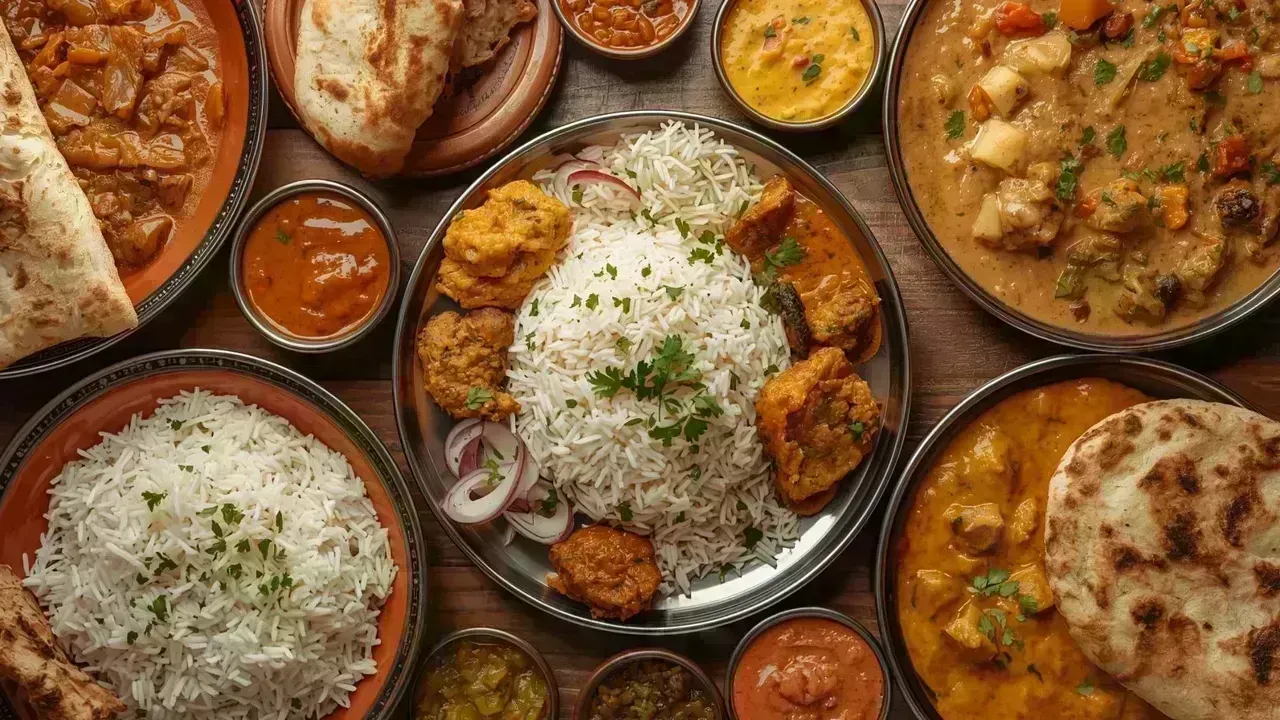
You can’t go wrong with steamed rice, butter naan, and plain roti. These mild sides balance stronger flavors and are essential with spicier dishes.
Spicy dishes from India typically contain ingredients like green chilies, red chili powder, or chili paste, imparting heat alongside robust flavors. Spice intensity can greatly vary by region, with southern and eastern Indian dishes often being hotter.
This dish offers a moderate spice level depending on the preparation, featuring creamy sauces with chili. At tourist-friendly restaurants, it can generally be served mild upon request.
A popular North Indian curry, rogan josh presents deep flavors and moderate heat, using chili for warmth rather than intense spice. A milder version is advisable for those sensitive to heat.
Originating from Goa, vindaloo is known for being one of the spiciest curries. It features vinegar, garlic, and red chilies, making it less suitable for those unaccustomed to heat.
Characterized by bold spices and strong heat, madras curry is a South Indian dish that’s considerably spicier than its North Indian counterparts. It is best avoided by those opting for milder options.
This South Indian delicacy is known for its fiery blend of black pepper, chilies, and roasted spices. It offers intense flavor and should be reserved for those preferring heat.
The spiciness of street food varies by region. Options like samosas and pav bhaji are typically moderately spiced, while others such as pani puri can cater to individual spice preferences.
When ordering, clearly communicate your spice tolerance. Phrases like “no spicy,” “less chili,” or “very mild” will alert the kitchen. Opt for cream-based dishes, avoiding words like “masala,” “mirchi,” or “spicy” to minimize heat levels.
North Indian cuisine tends to offer milder, creamier dishes, whereas South Indian food is often spicier with higher chili content. Western Indian flavors balance sweetness with spice, while eastern Indian dishes frequently incorporate mustard and subtle heat.
For newcomers, butter chicken, dal makhani, paneer butter masala, naan, a mild version of biryani, vegetable korma, and plain rice are excellent choices.
Indian spices not only enhance flavor but also support digestion and immunity without heavy sauces. Mild dishes still provide these health benefits without overwhelming heat.
It's a common misconception that all Indian food is spicy. With numerous mild options available, diners can savor the cuisine comfortably. By being mindful of dish names, regional styles, and ordering tips, visitors can explore the rich flavors of Indian cuisine without feeling overwhelmed.
Spice levels can fluctuate based on region, restaurant, and the individual cook’s style. Always express your spice preferences when ordering. This guide is intended to serve informational purposes only.










PM Modi Pays Tribute to Mahatma Gandhi, Urges People to Support Khadi
PM Modi pays tribute to Mahatma Gandhi on Gandhi Jayanti and urges citizens to support Khadi and the

Amazon Seeks to Offload $8 Billion in Nvidia Chips to Investors
Amazon plans to move $8 billion in Nvidia chips to investors, using a new financing model to strengt

Samsung Raises Galaxy S26 Prices as Memory Chip Costs Rise
Samsung raises Galaxy S26 prices in South Korea as rising memory chip costs put pressure on smartpho

Lewis Hamilton Calls Singapore Grand Prix One of F1's Toughest Races
Lewis Hamilton discusses the demanding Singapore Grand Prix and brings Plus44 and Almave to Singapor

Denmark's Pandora Opens World's Largest Jewellery Factory in Vietnam
Pandora opens its largest jewellery factory in Vietnam, expanding global production, strengthening s

Gautam Gambhir Questions Batting-Friendly Pitches After India's Record ODI Chase
Gautam Gambhir questions batting-friendly ODI pitches after India’s record chase, calling for a bett

