You have not yet added any article to your bookmarks!
Join 10k+ people to get notified about new posts, news and tips.
Do not worry we don't spam!
Post by : Rameen Ariff
Photo : AFP
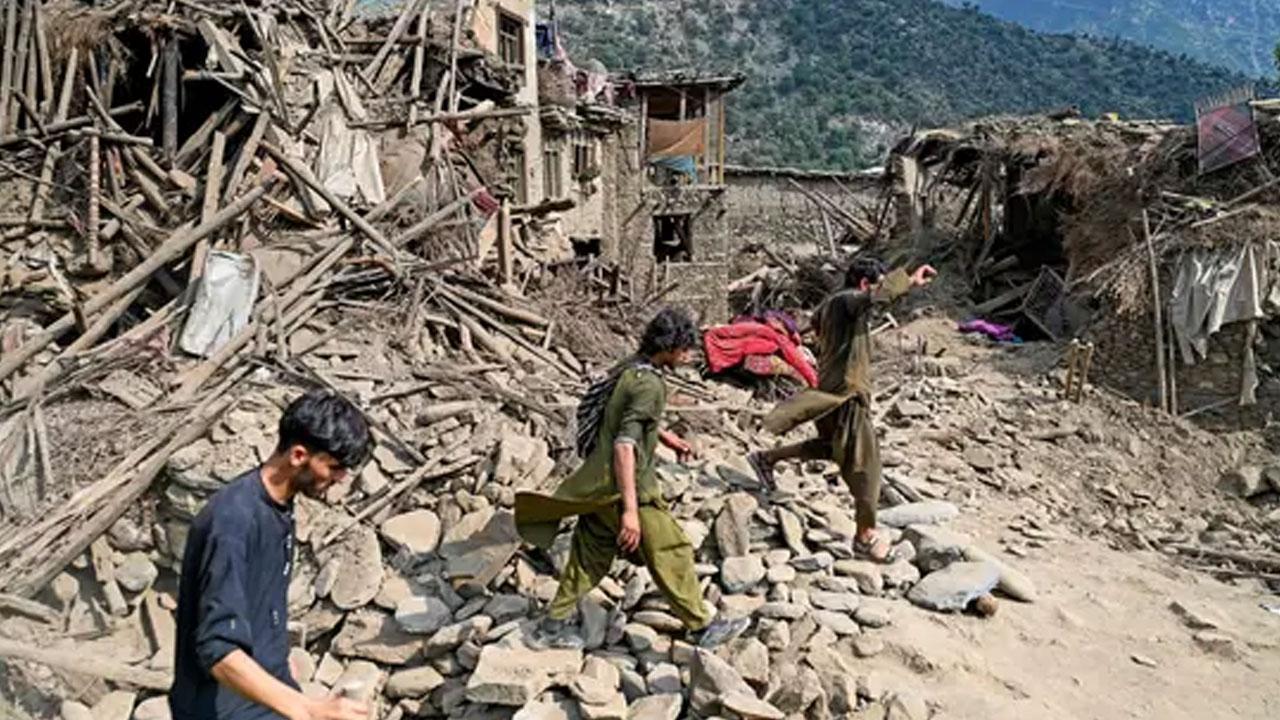
Afghanistan is facing one of the worst humanitarian crises in recent years after powerful earthquakes struck the eastern region at the end of August 2025. The earthquakes, followed by strong aftershocks, flattened villages, destroyed homes and livestock, and left families with almost nothing to rebuild their lives. The disaster has killed at least 2,200 people and affected more than half a million. Many survivors are now living in tents, fearing further landslides and struggling to find basic necessities.
For families in rural Afghanistan, homes, land, and livestock are often their only assets. When the earthquakes destroyed these, it wiped out years of hard work in a single night. Abdul Ghafar, 52, has been living with his family of 10 under a tarpaulin sheet in Bamba Kot village, Nangarhar province. His stone house has collapsed walls, broken ceilings, and rubble all over the floor. Despite the damage, officials refused to register his house as uninhabitable. “We only need one tent,” he said, describing how difficult life has become.
Experts explain that this destruction has long-term consequences. Jennifer Brick Murtazashvili, a professor at the University of Pittsburgh, said, “In Afghanistan, households store wealth in homes, land, and livestock, so when earthquakes destroy these assets, entire balance sheets collapse overnight.” The loss of animals, grain, and irrigation systems threatens food supplies and the next planting season. UNDP’s Resident Representative in Afghanistan, Stephen Rodriques, said more than 1.3 million animals were affected in the worst-hit provinces, Nangarhar and Kunar.
The Norwegian Refugee Council reported that over 7,000 livestock were killed and seven irrigation systems were destroyed. Ilan Noy, an expert in disaster economics, warned that this will lead to higher food prices, lower production, and long-term health and nutrition problems, especially for the poorest households. “Without proper financing, recovery will take much longer and create long-term consequences, possibly affecting future generations,” he added.
The earthquakes come at a time when Afghanistan is already struggling. The country’s economy has been weakened by sanctions, frozen assets, and cuts in international aid since the Taliban took power in 2021. Over 2 million deportations from Pakistan and Iran this year have added more pressure on housing and food resources. Many families have few relatives left to help them rebuild, as decades of war and migration have scattered communities. Thomas Barfield, president of the American Institute of Afghanistan Studies, warned that the coming winter will worsen the situation.
The destruction of homes and the lack of construction work have left many unemployed. Ibraheem Bahiss of the International Crisis Group said, “Construction was a huge employer that disappeared after the Taliban takeover. The NGO sector is shrinking with aid cuts, and even the public sector is under strain. Every year brings droughts and floods, and now earthquakes on top of that, compounding the tragedy Afghans face.”
Some emergency aid has reached the affected areas, including tents, food, and temporary shelters. However, experts say this is not nearly enough. Obaidullah Baheer, an adjunct lecturer at the American University of Afghanistan, warned, “Emergency aid is a wet towel in a forest fire, it won't bridge the gap. Aid flows have already dropped steeply in a country reliant on them for two decades, and the real impact will only start to show next year.”
The United Nations has appealed for $140 million in aid to help survivors rebuild. But donations have lagged, as donors focus on other global crises like Gaza and Ukraine. Funding is also limited because many aid agencies hesitate to provide money directly under Taliban control, particularly as restrictions continue on women aid workers.
The loss of homes and livestock has left families in a state of constant uncertainty. Tens of thousands of people are now homeless, living in tents that cannot withstand harsh winter conditions. Many survivors fear further earthquakes or landslides. With limited access to basic needs such as food, water, and shelter, the coming months could be even more dangerous for these communities.
Experts warn that recovery will be slow and will require sustained financial and humanitarian support. Rebuilding homes, restoring farmland, and replacing lost livestock is a massive challenge in a country already struggling with poverty and conflict. Without this support, the effects of the earthquake could last for years, impacting future generations.
The human stories from Nangarhar and Kunar provinces highlight the scale of the crisis. Families like Abdul Ghafar’s face daily struggles just to survive. Children have lost schools, families have lost their livelihoods, and the elderly are exposed to harsh weather without proper shelter. In these conditions, even minor illnesses can become life-threatening, and food insecurity is likely to increase as planting and harvesting are disrupted.
While international attention has been limited due to other global crises, experts emphasize that Afghanistan’s disaster cannot be ignored. Long-term planning, financial support, and a coordinated humanitarian response are essential to prevent further suffering. Local authorities and international organizations must work together to provide tents, food, medical care, and help for rebuilding homes and farms.
The earthquake in Afghanistan is not just a natural disaster; it is a human tragedy magnified by decades of war, political instability, and economic challenges. Families have lost everything they worked for, and without immediate action, the coming winter could worsen an already dire situation.
The 2025 Afghanistan earthquake has created a humanitarian emergency that requires urgent global attention. Tens of thousands are homeless, livestock and crops are destroyed, and communities are struggling to survive. Aid is limited, the economy is fragile, and winter is approaching, making recovery even more difficult. The international community must step in to provide support to prevent further suffering and help Afghan families rebuild their lives.
Afghanistan now faces a long road to recovery, and without sustained aid, the impact of this disaster could last for generations. Families need shelter, food, and medical care immediately, while long-term planning is required to restore livelihoods and communities. The resilience of the Afghan people is being tested, but timely and effective support can save lives and provide hope for the future







Lamborghini Catches Fire on Singapore's ECP, Causing Heavy Traffic
A Lamborghini caught fire on Singapore's ECP, causing heavy traffic and bus delays. No injuries were

Bangkok Airport Duty-Free Area Flooded by Pipe Burst
A burst water pipe flooded the duty-free shopping area at Bangkok's Suvarnabhumi Airport on July 16,
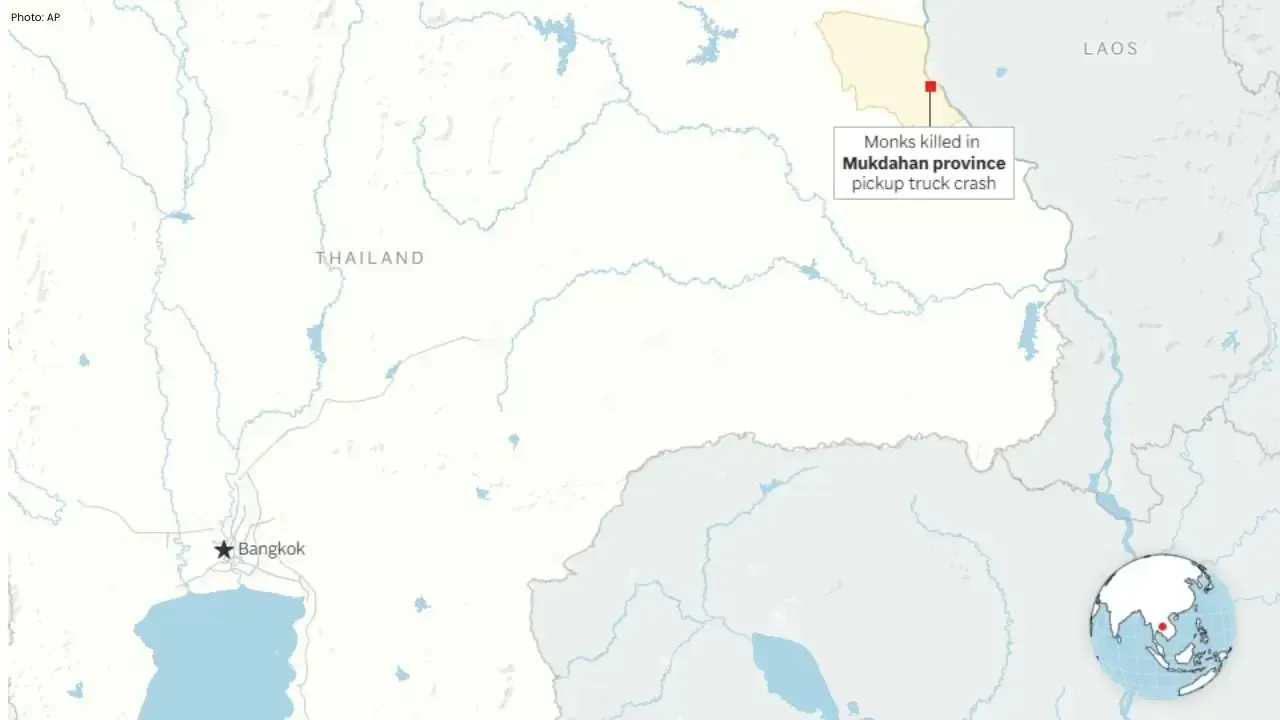
Nine Monks Killed in Thailand Pickup Truck Tragedy
An 11-year-old boy driving a pickup truck crashed into monks during a pilgrimage in northeastern Tha

Anwar Congratulates Xi on CPC's 105th Anniversary
Malaysia reaffirms strong ties with China as PM Anwar Ibrahim sends a congratulatory letter to Presi
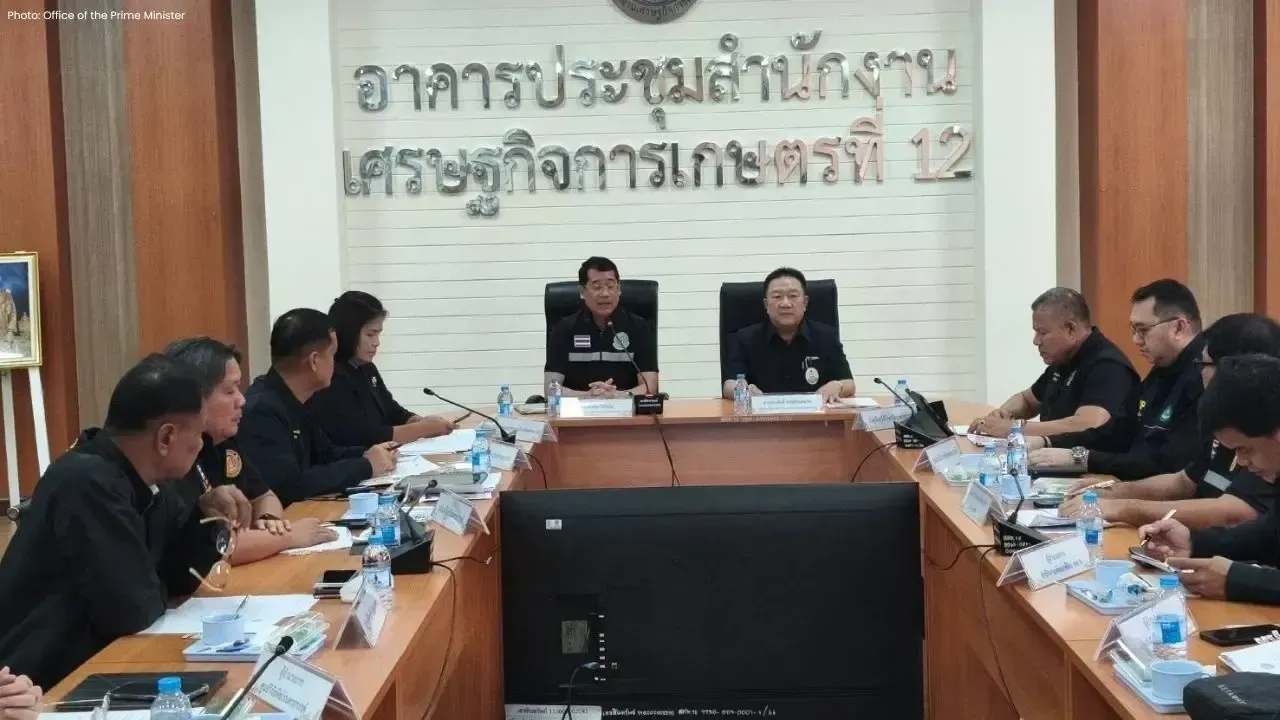
Thai Agriculture Team Reviews 2026 Farm Development Plans
Agriculture Ministry officials inspected livestock and organic rice projects in Nakhon Sawan to moni

Thailand, Canada Boost Ties in PM-Level Phone Talks
Thailand and Canada agreed to strengthen trade, security, OECD cooperation and ASEAN-Canada FTA talk