
You have not yet added any article to your bookmarks!
Join 10k+ people to get notified about new posts, news and tips.
Do not worry we don't spam!
Post by : Rameen Ariff
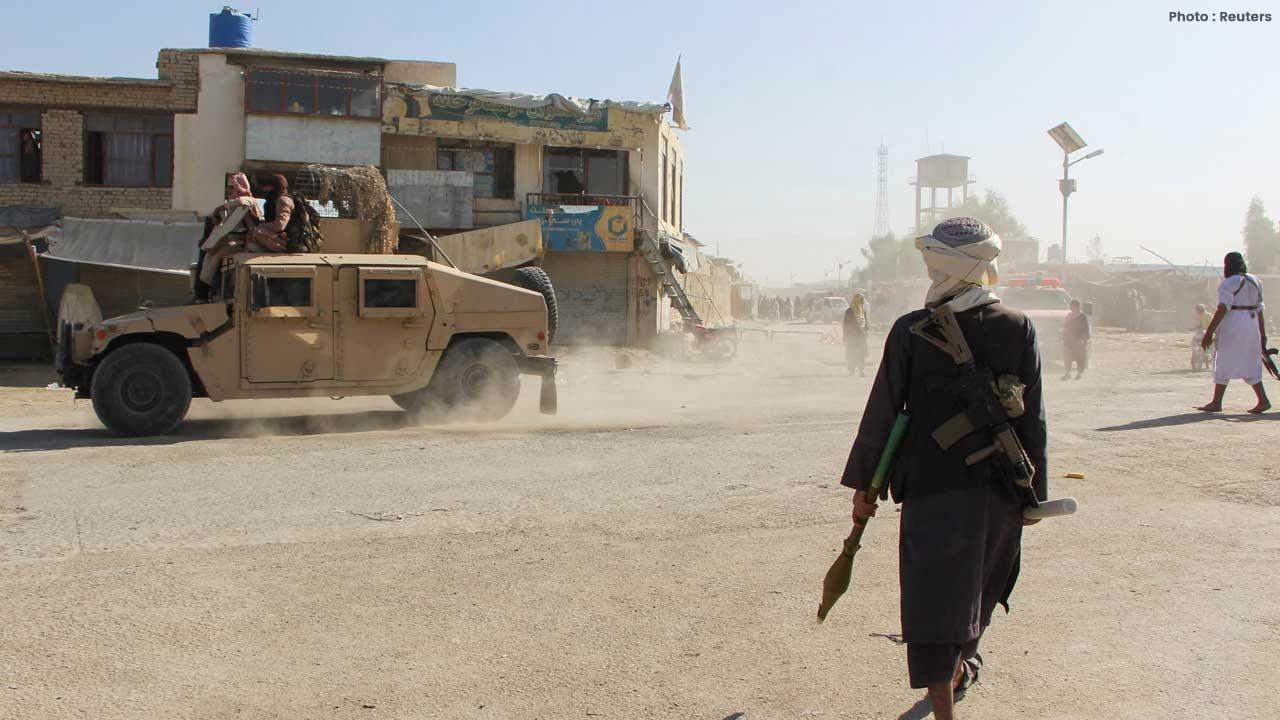
The Afghanistan-Pakistan peace talks in Istanbul have ended without a resolution, dealing a major setback to hopes for lasting peace between the two South Asian neighbours. According to diplomatic sources familiar with the discussions, both sides failed to find common ground despite intense mediation efforts by Turkey and Qatar. The collapse of these peace talks comes just weeks after deadly border clashes left dozens dead and heightened regional tensions.
The peace talks between Afghanistan and Pakistan in Istanbul were aimed at securing a long-term truce following one of the bloodiest border confrontations since the Taliban seized power in Kabul in 2021. However, negotiators said the discussions concluded with “tense exchanges” and no concrete agreement. Each delegation blamed the other for the breakdown, deepening the mistrust that has plagued relations between Islamabad and Kabul for decades.
A senior Pakistani security official said the main obstacle during the Afghanistan-Pakistan peace talks was the Taliban’s unwillingness to commit to controlling the Tehrik-i-Taliban Pakistan (TTP), a militant group responsible for repeated attacks inside Pakistan. Islamabad insists that the TTP continues to operate freely within Afghan territory, posing a serious threat to Pakistan’s national security.
However, an Afghan representative involved in the Istanbul peace talks countered that Kabul has no control over the TTP’s actions, describing the group as “independent and unpredictable.” The source confirmed that the meeting ended abruptly after heated disagreements over this issue. “The discussions were tense, and neither side was willing to make concessions,” the official added.
The Afghanistan-Pakistan peace talks followed a fragile ceasefire brokered in Doha on October 19. That temporary truce was meant to halt the escalating violence along the 2,600-kilometre border after deadly airstrikes and cross-border attacks earlier this month. Pakistan had launched air raids targeting top TTP commanders in Kabul and other locations, prompting retaliatory attacks by Taliban forces on Pakistani military posts.
Despite the ceasefire, renewed clashes erupted over the weekend, killing at least five Pakistani soldiers and 25 militants near the border. The breakdown of the peace talks in Istanbul has raised fears that full-scale fighting could resume, potentially dragging the entire region into instability. Pakistan’s Defence Minister warned that if no agreement is reached soon, the situation could escalate into “open war.”
The failure of the Afghanistan-Pakistan peace talks also caught the attention of U.S. President Donald Trump, who has been monitoring developments closely amid Washington’s renewed involvement in regional security. Analysts say the outcome could strain international efforts to stabilise the Afghan-Pakistani frontier, where militant groups continue to exploit political uncertainty and weak border control.
Both Afghan and Pakistani officials have so far remained silent about the reasons behind the talks’ failure. Official spokespersons for the Taliban government in Kabul and for Pakistan’s defence and foreign ministries did not respond to media requests for comment. Diplomats fear that without a framework for mutual security and trust, the Afghanistan-Pakistan peace process could collapse entirely.
Observers note that the Istanbul meeting was seen as a key opportunity to restore dialogue and prevent future escalations. However, with both sides hardening their positions, the chances of reviving negotiations appear slim. Experts warn that without a renewed push for diplomacy, the fragile ceasefire may not hold, leading to further bloodshed along one of the world’s most volatile borders.
As of now, the Afghanistan-Pakistan peace talks in Istanbul stand as yet another missed opportunity in the long, troubled history of relations between the two nations. Regional powers, including Turkey, Qatar, and the United States, are expected to intensify back-channel efforts to bring both governments back to the table before the situation spirals out of control.





Michael Bracewell Chooses Casual Contract, Targets BBL Opportunity
Michael Bracewell moves to a casual contract as he eyes a BBL opportunity while remaining available

Tuchel Says Alex Scott Can Challenge Declan Rice for England Midfield Spot
Thomas Tuchel says Alex Scott can challenge Declan Rice for an England midfield place after his impr

Air Quality Turns Unhealthy in Central and Western Singapore Amid Haze
Singapore haze pushes PSI above 100 in central and western areas as smoke from regional hotspots rai

PM Modi Pays Tribute to Mahatma Gandhi, Urges People to Support Khadi
PM Modi pays tribute to Mahatma Gandhi on Gandhi Jayanti and urges citizens to support Khadi and the

Amazon Seeks to Offload $8 Billion in Nvidia Chips to Investors
Amazon plans to move $8 billion in Nvidia chips to investors, using a new financing model to strengt

Samsung Raises Galaxy S26 Prices as Memory Chip Costs Rise
Samsung raises Galaxy S26 prices in South Korea as rising memory chip costs put pressure on smartpho

