You have not yet added any article to your bookmarks!
Join 10k+ people to get notified about new posts, news and tips.
Do not worry we don't spam!
Post by : Sameer Farouq
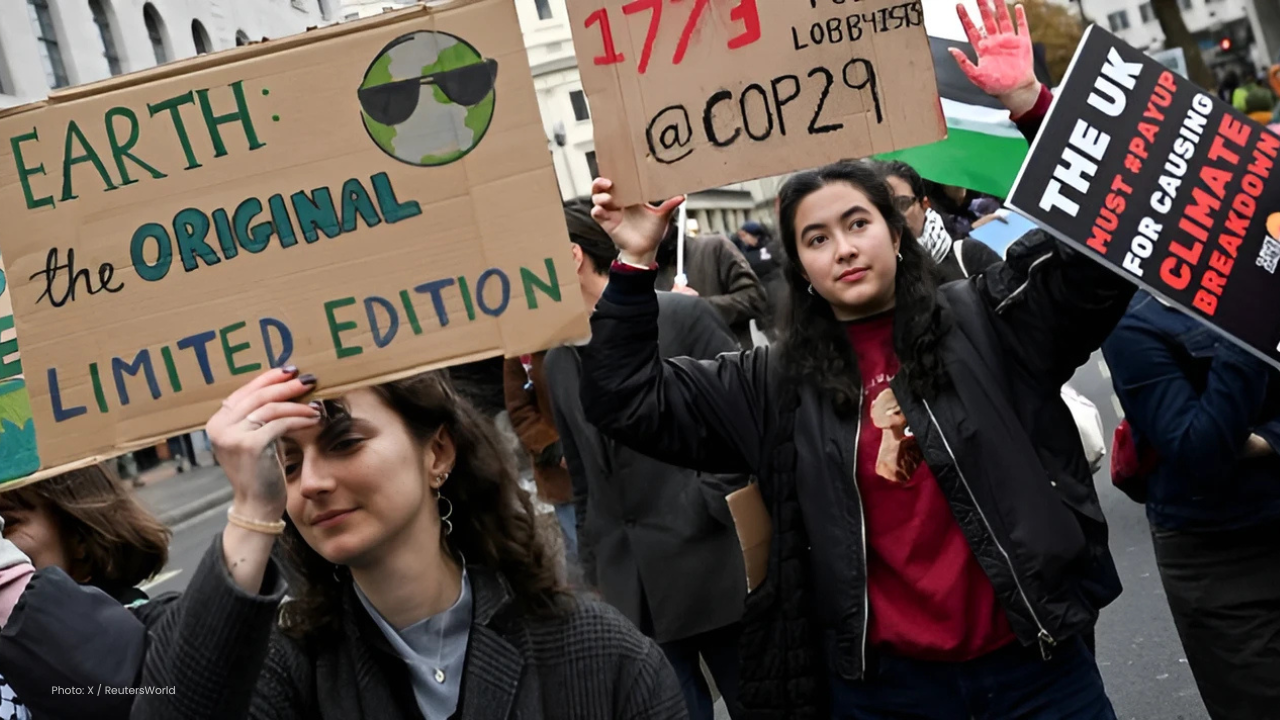
The European Union (EU) is facing a major setback in its fight against climate change. Just days before a key United Nations climate summit, the EU admitted it will miss the deadline to submit new climate targets.
This comes as internal disagreements between member countries delay decisions on future goals, raising concerns that Europe’s global leadership on climate action could weaken.
The United Nations asked all countries to submit updated climate action plans by the end of September. These plans, called nationally determined contributions (NDCs), outline how much each country will cut its greenhouse gas emissions and by when.
China and other large emitters are expected to meet the deadline. But the EU, often seen as a leader in climate policy, will arrive at the General Assembly without a clear plan.
The failure comes at a sensitive moment. The world is already struggling with heatwaves, wildfires, floods, and storms linked to climate change. Many had hoped the EU would set an example for others by presenting ambitious new goals.
The EU had planned to finalize two major climate targets this month:
A 2040 goal, aiming to cut emissions by 90%.
A 2035 target, expected to reduce emissions by 66–72%.
But disputes among countries like Germany, France, and Poland caused talks to stall. Leaders decided to push back the decision on the 2040 goal until an October summit. That delay also affected the 2035 target.
As a result, the EU will now only issue a “statement of intent” this week. This document will outline the EU’s ambitions but will not carry the same weight as a full climate plan. “Is it as good as an NDC? Probably not. Is it much better than nothing? You bet,” said one senior EU official.
A leaked draft of the EU’s statement suggests the bloc will try to cut emissions by 66.3% to 72.5% by 2035. It also promises to finalize the 2035 target before the COP30 climate summit in November, when nearly 200 nations will negotiate their next climate steps.
But experts warn that delaying a firm commitment could harm momentum. “Other countries could use the EU as an excuse for their own inaction,” said Linda Kalcher, head of the climate think tank Strategic Perspectives.
The EU has long promoted itself as a global climate leader, but domestic pressures are now pulling governments apart.
Czech Republic and Italy argue that a 90% cut by 2040 is not realistic because the technology is not ready.
Some governments also want to weaken existing policies, including the 2035 ban on new petrol and diesel cars.
On the other side, countries like Spain and Denmark push for stronger action, pointing to worsening climate disasters across Europe.
Spain’s energy secretary Joan Groizard stressed: “This is a particularly important year for our climate commitments. It’s very, very important that Europe agrees on a 90% target for 2040.”
One reason for resistance is that climate policies are expensive. Some countries are worried about the costs of shifting away from coal, oil, and gas. Others argue that with rising military spending due to wars in Ukraine and the Middle East, there is less money to fund climate programs.
At the same time, governments want to support local industries competing with big economies like the U.S. and China. Some leaders fear that aggressive climate targets could hurt European companies.
Despite the arguments, Europe is already suffering heavily from climate change.
Heatwaves now kill thousands every summer.
Wildfires destroy homes, farms, and forests.
Floods have caused billions in damage in recent years.
Experts say delaying stronger climate action will only make these problems worse. Relying on imported fossil fuels also leaves Europe vulnerable to global price shocks and political crises.
If the EU does not present a firm climate plan soon, it risks:
Losing credibility at international summits.
Weakening global ambition, as other countries may follow its example and delay action.
Falling behind in clean technology, like solar, wind, and electric cars, where competition is fierce.
The COP30 summit in November will be crucial. Nearly 200 countries will gather to negotiate their next moves against global warming. If the EU arrives with weak or delayed targets, it could reduce pressure on others to act.
The EU is known for pushing ambitious global climate deals, but this time internal divisions and political pressures have slowed progress. While some governments demand more time to discuss costs and technology, others insist that Europe must lead boldly.
For now, the EU will head into next week’s UN climate summit without a firm plan—only a statement of intent. Whether that will be enough to maintain its leadership remains uncertain.
The world will be watching Europe closely in the coming months, especially ahead of COP30. As climate disasters worsen, the question remains: can Europe stay united in the fight against global warming, or will divisions weaken its role?








Rabada Misses First Australia Test as South Africa Pick Two Spinners
Kagiso Rabada misses the opener as South Africa vs Australia begins, with Anrich Nortje returning an

Starc Compares Australia's Tough Year to McIlroy's Major Sweep
Mitchell Starc says Australia winning three away Test series and the World Cup would match Rory McIl

France’s Sesterce Plans $11 Billion AI Data Centre in Finland
Sesterce plans a $11 billion AI data centre in Finland, with major expansion, green energy plans and

Danaher to Launch AI-Powered Autonomous Research Lab in 2027
Danaher plans an AI research lab for 2027, combining robotics and automation to speed up drug discov

Musk Welcomes German Support for Tesla Driver Assistance Tech as EU Approval Push Continues
Elon Musk welcomes Germany's backing for Tesla FSD as the company seeks EU approval amid speed, safe
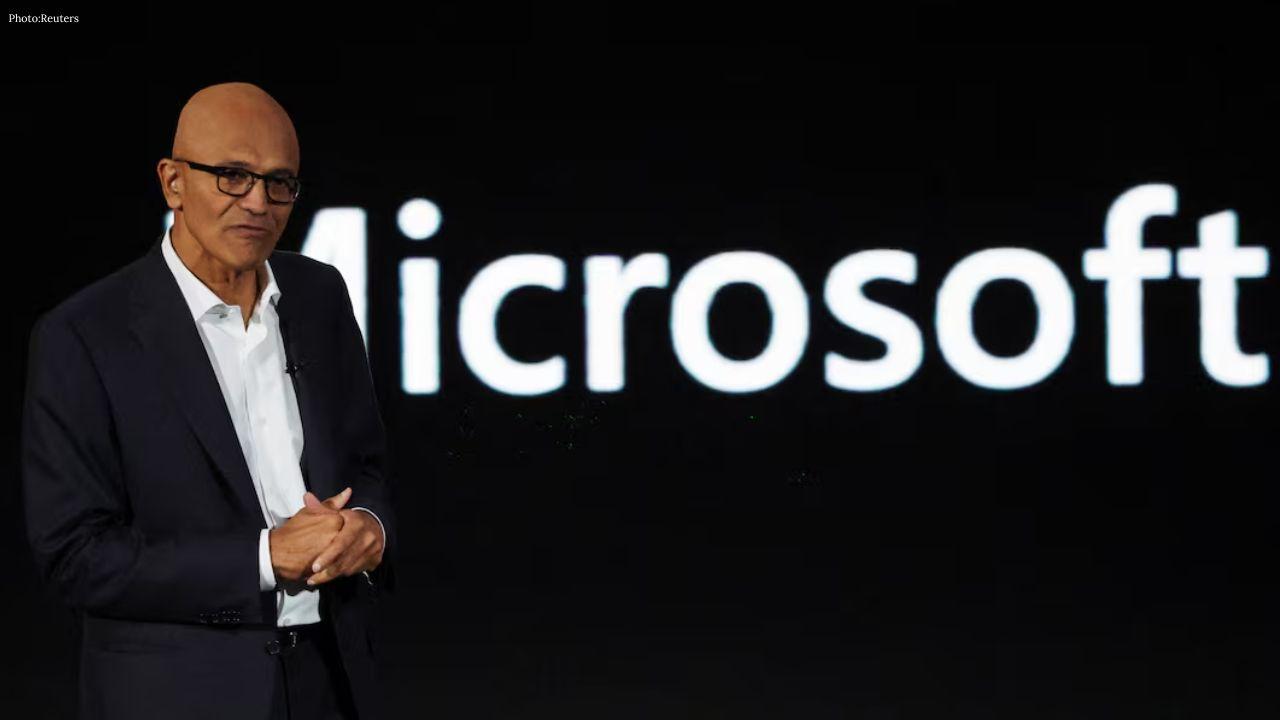
Microsoft and Nvidia CEOs to Unveil AI Laptop at San Francisco Event
Microsoft and Nvidia showcase a new AI laptop with RTX Spark chips as they push powerful local AI co