You have not yet added any article to your bookmarks!
Join 10k+ people to get notified about new posts, news and tips.
Do not worry we don't spam!

Post by : Vansh
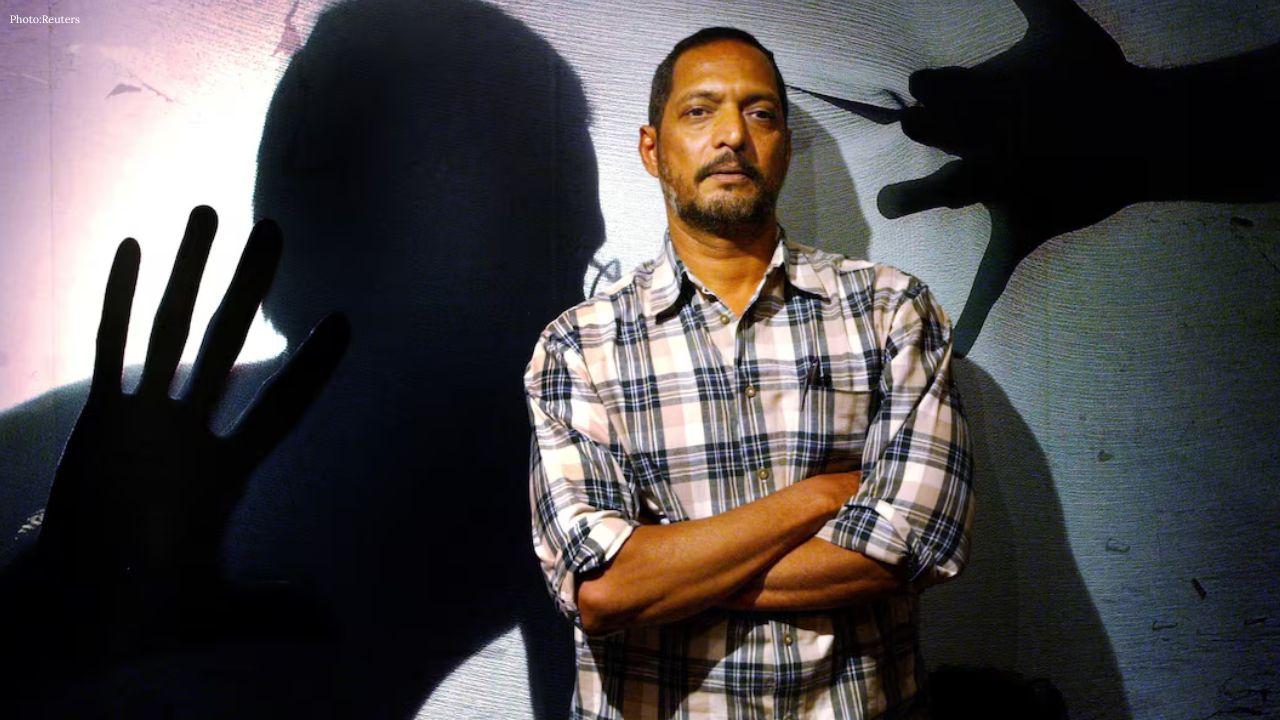
Human beings are naturally wired to read and respond to emotions. Long before spoken language developed, people communicated through expressions. The unique blend of eyes, lips, eyebrows, and subtle movements forms what we call feature faces. These features not only reflect feelings but also help us understand identity, culture, and personal stories. Every smile, frown, or raised eyebrow conveys a message that words may fail to capture.
Modern psychology and neuroscience show that facial expressions are universal indicators of emotion. Whether it’s joy, anger, sadness, surprise, fear, or disgust, these feelings are expressed almost identically across cultures. Researchers highlight that facial expressions are an evolutionary tool that enhances survival. A quick frown signals danger, while a warm smile encourages trust. These scientific findings prove that our feature faces are not random but a deeply rooted form of human connection.
While emotions are universal, culture shapes the way people display them. For example, in some Asian societies, showing too much emotion publicly is discouraged, while in many Western societies, open expressions are encouraged. This cultural difference highlights how emotional expressions can be influenced by norms, values, and traditions. The meaning behind a smile in one culture may not be interpreted the same way in another, making feature faces a fascinating intersection of biology and culture.
Communication is not limited to words. In fact, studies suggest that more than 70% of communication is nonverbal, with facial expressions playing the most powerful role. A subtle lift of the eyebrow or a tightening of the jaw can completely change the meaning of a conversation. This shows that human identity is tied closely to how our faces express emotions. In relationships, friendships, and even professional settings, feature faces help establish trust, authenticity, and empathy.
Artists, filmmakers, and photographers have always been fascinated by human faces. Portraits capture raw emotions, while movies rely heavily on actors’ expressions to tell stories beyond dialogue. In modern times, social media has magnified the importance of feature faces. Emojis, selfies, and reaction videos all thrive on facial cues. People feel connected not just through words but through the authenticity of visible emotions.
This article is intended solely for informational and educational purposes. The content should not be taken as professional advice or absolute interpretation of human behavior. Readers are encouraged to seek expert guidance when needed and to consider cultural context while understanding expressions. – newsableasia news








France’s Sesterce Plans $11 Billion AI Data Centre in Finland
Sesterce plans a $11 billion AI data centre in Finland, with major expansion, green energy plans and

Danaher to Launch AI-Powered Autonomous Research Lab in 2027
Danaher plans an AI research lab for 2027, combining robotics and automation to speed up drug discov

Musk Welcomes German Support for Tesla Driver Assistance Tech as EU Approval Push Continues
Elon Musk welcomes Germany's backing for Tesla FSD as the company seeks EU approval amid speed, safe

Microsoft and Nvidia CEOs to Unveil AI Laptop at San Francisco Event
Microsoft and Nvidia showcase a new AI laptop with RTX Spark chips as they push powerful local AI co

Man to face charges over perfume thefts at Changi Airport
A 47-year-old man faces charges over perfume theft at Changi Airport after six items worth nearly S$

Google Signs 3.6-GW Power Deal With Constellation Energy in US
Google signs a 3.6-GW power deal with Constellation Energy, including nuclear power upgrades to supp