
You have not yet added any article to your bookmarks!
Join 10k+ people to get notified about new posts, news and tips.
Do not worry we don't spam!
Post by : Laxmi Verma
Asian cuisine is celebrated worldwide not just for its bold flavors and diverse ingredients, but also for the deep cultural stories it carries. To truly appreciate the culinary wonders of Asia, it’s essential to understand how Asian cuisine reflects the heart of its culture — weaving history, tradition, spirituality, and community into every dish.
From the bustling street markets of Bangkok to the serene tea ceremonies of Japan, the food tells a rich narrative about the people, their values, and their way of life. In this article, we’ll explore the fascinating connection between Asian food and culture, revealing why these dishes are much more than just meals.
Food in Asia is never just about sustenance — it’s a language of love, hospitality, and respect. Sharing a meal is often a sacred ritual that brings families and communities together. Many Asian cultures place importance on balance, harmony, and symbolism in their dishes.
For example, in Chinese culture, the concept of yin and yang is central to cooking, where ingredients are chosen not only for taste but for their energetic properties. Similarly, Indian cuisine is deeply intertwined with Ayurveda, where food is used as medicine to balance the body and mind.
The choice of ingredients in Asian cuisine reflects local geography, climate, and history. Rice, for instance, is a staple across many Asian countries and symbolizes life and fertility. The cultivation of rice has shaped social structures and festivals, such as the rice planting celebrations in Southeast Asia.
Spices like turmeric, ginger, and cardamom are not only flavor enhancers but also have cultural and medicinal significance. These spices have been traded for centuries, connecting Asia to the wider world and influencing global cuisines.
Food rituals in Asia often have deep cultural roots. The Japanese tea ceremony, for example, is a choreographed ritual that embodies respect, mindfulness, and the beauty of simplicity. It is as much about spiritual practice as it is about enjoying tea.
In Korea, the preparation of kimchi is a communal activity involving family and neighbors, symbolizing cooperation and continuity. These traditions emphasize that food is a living cultural heritage, passed down through generations.
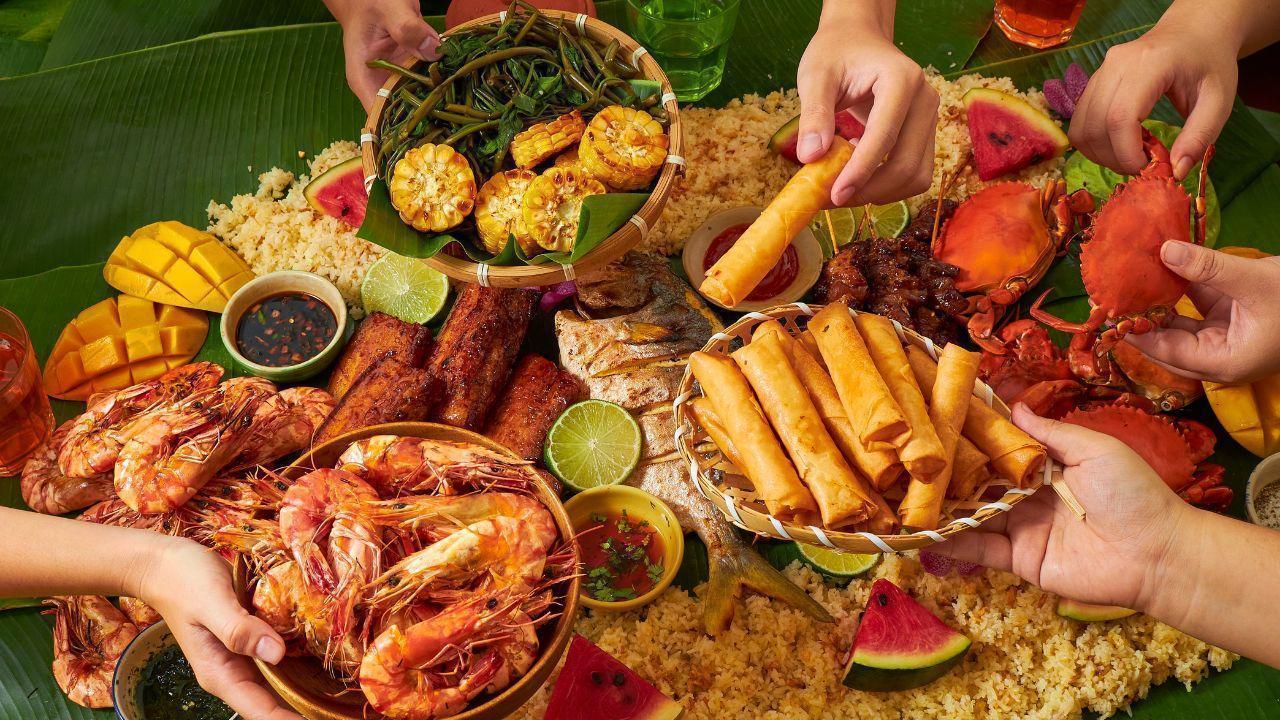
Asian cuisine also mirrors social values such as hospitality and community. In many parts of Asia, meals are shared family-style, where everyone eats from communal dishes. This practice fosters connection and equality, showing that food is a means to build and strengthen relationships.
Festivals and celebrations often feature specific dishes that carry symbolic meanings. For example, during the Lunar New Year, eating dumplings represents wealth, while longevity noodles symbolize a long life. These culinary customs demonstrate how food is intertwined with hope, prosperity, and cultural identity.
Asia’s vast geography means its cuisine is incredibly diverse, reflecting a wide range of cultures and climates. From the spicy curries of India and Thailand to the delicate sushi of Japan and the hearty stews of Mongolia, each region offers a unique culinary perspective.
This diversity highlights the adaptability and creativity of Asian cultures, showcasing how food evolves while still maintaining strong ties to tradition.
Today, Asian cuisine continues to captivate the world, influencing global food culture and trends. However, it’s important to remember that beyond the fusion dishes and trendy flavors, Asian cuisine reflects the heart of its culture — a culture rich in history, philosophy, and communal values.
As more people seek authentic experiences, understanding the cultural context of Asian food enhances appreciation and respect for these culinary traditions.
This article is for informational purposes only and is not intended as professional dietary or medical advice. Individual experiences with food and health may vary. Please consult a healthcare or nutrition professional for personalized guidance.










Google Signs 3.6-GW Power Deal With Constellation Energy in US
Google signs a 3.6-GW power deal with Constellation Energy, including nuclear power upgrades to supp

Harmanpreet Kaur Steps Down as India Captain Across All Formats
Harmanpreet Kaur steps down as India captain across all formats after a remarkable leadership journe

Michael Bracewell Chooses Casual Contract, Targets BBL Opportunity
Michael Bracewell moves to a casual contract as he eyes a BBL opportunity while remaining available

Tuchel Says Alex Scott Can Challenge Declan Rice for England Midfield Spot
Thomas Tuchel says Alex Scott can challenge Declan Rice for an England midfield place after his impr

Air Quality Turns Unhealthy in Central and Western Singapore Amid Haze
Singapore haze pushes PSI above 100 in central and western areas as smoke from regional hotspots rai

PM Modi Pays Tribute to Mahatma Gandhi, Urges People to Support Khadi
PM Modi pays tribute to Mahatma Gandhi on Gandhi Jayanti and urges citizens to support Khadi and the

