You have not yet added any article to your bookmarks!
Join 10k+ people to get notified about new posts, news and tips.
Do not worry we don't spam!
Post by : Anis Farhan
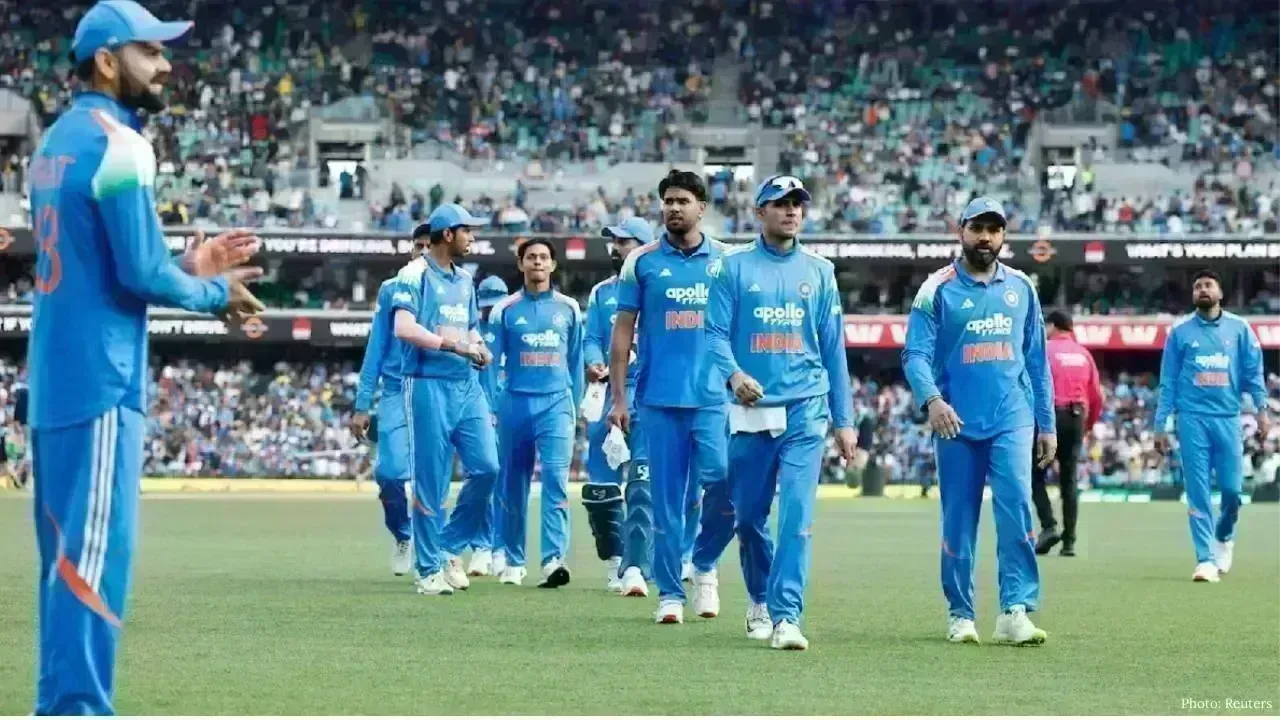
Team India’s season in the 50-over format kicks off with a three-match ODI series against New Zealand National Cricket Team, beginning on 11 January 2026 in Vadodara. The series marks India’s return to ODIs after an active T20 schedule and provides valuable competitive exposure ahead of future ICC events. It also brings an updated squad from the selectors, blending experience with form, fitness and strategic thinking.
Led by Shubman Gill, the Indian side’s ODI squad announcement reflects thoughtful adjustments to balance youth, experience and workload management. Selectors have turned to proven match-winners while also making room for players ready to stake their claims in the 50-over arena.
One of the headline names in the squad is Shubman Gill, who has been reinstated as India’s ODI captain. Gill’s leadership has been eagerly anticipated ever since his performances in white-ball cricket steadily matured. His return to the ODI leadership role comes after a period of injury management and selective international exposure, and his presence offers stability at the top of the batting order.
Gill’s leadership credentials were backed by consistent domestic and international form, and he retains the faith of selectors looking to build a cohesive ODI unit. With seasoned campaigners like Rohit Sharma and Virat Kohli alongside him, India’s batting lineup gains not just firepower but also valuable experience.
Fast bowler Mohammed Siraj has also been named in the ODI squad, returning after a period of fluctuating selection in recent series. His inclusion bolsters India’s pace attack, offering both new-ball firepower and depth in later overs. Siraj’s elevation reflects his resilience and recent bowling form in domestic and franchise circuits, with selectors prioritising a balanced attack.
Siraj’s role becomes particularly crucial in home conditions where seam movement and disciplined lines often lead to breakthroughs — attributes he brings consistently at the international level. His return is therefore a major boost for India’s bowling strategy against New Zealand.
India’s ODI squad for the three-match series against New Zealand — scheduled to be played across Vadodara, Rajkot and Indore — is as follows:
Shubman Gill (Captain)
Rohit Sharma
Virat Kohli
KL Rahul (Wicketkeeper / Batter)
Shreyas Iyer (Vice-Captain) (subject to fitness clearance)
Washington Sundar
Ravindra Jadeja
Mohammed Siraj
Harshit Rana
Prasidh Krishna
Kuldeep Yadav
Rishabh Pant (Wicketkeeper / Batter)
Nitish Kumar Reddy
Arshdeep Singh
Yashasvi Jaiswal
This squad reflects a thoughtful cross-section of India’s batting, bowling and all-round resources, enabling flexibility in selection and team strategy across three matches.
Despite the excitement around recalls, selectors also made some significant decisions about players who did not make the cut for this ODI tour:
Left-handed opener Ruturaj Gaikwad, who has been in strong domestic form and effective in limited opportunities for India, missed out on the ODI squad. His absence came as a surprise to some fans, given his consistent scoring and adaptability.
Middle-order talent Tilak Varma was also omitted from the ODI squad. Varma has been a rising star in the limited-overs circuit, but selectors opted to give priority to other all-round options and batting configurations for India’s home series.
Wicketkeeping and batting all-rounder Dhruv Jurel did not find a place in the ODI squad either. Given KL Rahul and Rishabh Pant’s dual keeper capabilities and the need for a settled batting order, Jurel was among the names left out in favour of established talents.
These omissions underline India’s selectors placing emphasis on a mix of experience and fitness considerations rather than untested potential in this particular series.
While included in the squad, Shreyas Iyer’s participation remains subject to fitness clearance from the BCCI’s Centre of Excellence due to a recent recovery from injury. If Iyer fails to clear the final fitness tests, the team could adjust its combination accordingly.
Iyer’s inclusion adds depth to the middle order, providing experience and clutch-batting capabilities — a valuable asset in the 50-over game.
All-rounder Hardik Pandya and fast bowler Jasprit Bumrah were rested and not named in the ODI lineup as part of workload management, particularly with the T20 World Cup scheduled on home soil later in 2026. This decision aims to maintain long-term fitness for marquee players and mitigate injury risk during a packed international calendar.
Their absence opens opportunities for bowling and batting options such as Harshit Rana, Prasidh Krishna and Washington Sundar to make impactful contributions in the series.
Shubman Gill’s captaincy brings fresh leadership energy to India’s ODI posture. As a relatively younger leader compared to past captains, Gill is tasked with blending youthfulness with the winning experience of veterans like Rohit Sharma and Virat Kohli.
With KL Rahul and Shreyas Iyer in the batting fold, India’s lineup benefits from versatile skills: Rahul’s adaptability as a keeper-batter and Iyer’s middle-order solidity complement Gill’s aggressive opening approach.
The bowling unit, led by Arshdeep Singh and supported by Siraj’s return, aims to build pressure with pace while Kuldeep Yadav and Jadeja add variety through spin — a combination that suits Indian pitches well.
The three ODI matches are set across different Indian venues:
1st ODI: 11 January — Vadodara
2nd ODI: 14 January — Rajkot
3rd ODI: 18 January — Indore
These fixtures represent India’s first ODI action of 2026 and act as a vital run-up to major white-ball tournaments in the coming months.
With a leaner calendar and focus on international tournaments, every bilateral series in 2026 takes added significance. For India, this New Zealand tour provides a chance to test combinations, build momentum and sharpen skills as the team prepares for global challenges later in the year.
Cricket pundits and fans have weighed in on the squad decisions. Some analysts applaud the selectors for backing form and fitness, while others question certain omissions, especially players like Gaikwad and Varma who remain in strong domestic form. Social media reactions and expert panels have highlighted the tension between rewarding domestic performances and maintaining a settled international side.
Debates have also emerged around the potential roles of young talents if they were included, juxtaposed with the experience that stalwarts like Kohli and Rohit bring.
India’s ODI team for the New Zealand series combines leadership evolution, strategic workload management and a blend of proven performers with emerging talents. The squad’s composition — under Gill’s leadership with players like Siraj returning — signals a forward-looking approach with sustained competitiveness in 50-over cricket.
As the series unfolds, India will aim to balance aggressive intent with measured execution — setting the stage for an exciting start to their 2026 white-ball campaign.
Disclaimer: This article reflects verified squad details and expert context based on official announcements and credible cricket news sources at the time of writing.






Rabada Misses First Australia Test as South Africa Pick Two Spinners
Kagiso Rabada misses the opener as South Africa vs Australia begins, with Anrich Nortje returning an

Starc Compares Australia's Tough Year to McIlroy's Major Sweep
Mitchell Starc says Australia winning three away Test series and the World Cup would match Rory McIl

France’s Sesterce Plans $11 Billion AI Data Centre in Finland
Sesterce plans a $11 billion AI data centre in Finland, with major expansion, green energy plans and

Danaher to Launch AI-Powered Autonomous Research Lab in 2027
Danaher plans an AI research lab for 2027, combining robotics and automation to speed up drug discov

Musk Welcomes German Support for Tesla Driver Assistance Tech as EU Approval Push Continues
Elon Musk welcomes Germany's backing for Tesla FSD as the company seeks EU approval amid speed, safe
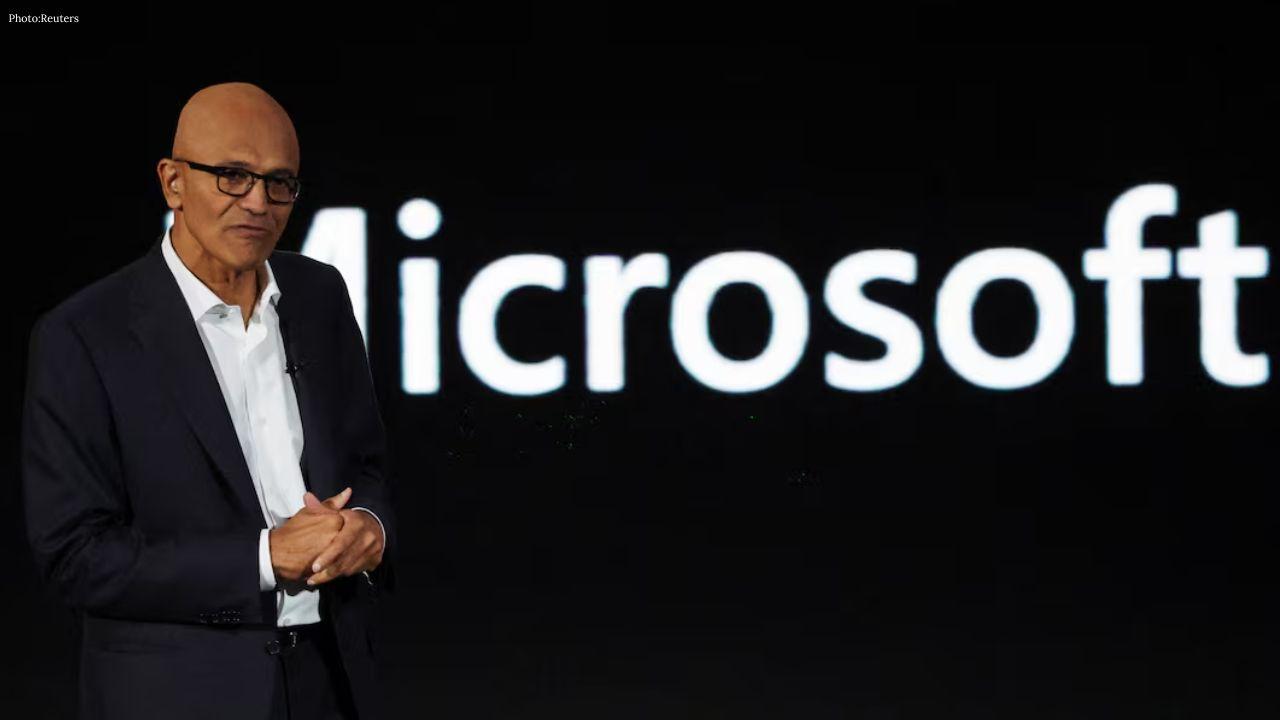
Microsoft and Nvidia CEOs to Unveil AI Laptop at San Francisco Event
Microsoft and Nvidia showcase a new AI laptop with RTX Spark chips as they push powerful local AI co