
You have not yet added any article to your bookmarks!
Join 10k+ people to get notified about new posts, news and tips.
Do not worry we don't spam!
Post by : Meena Ariff
Photo: AFP
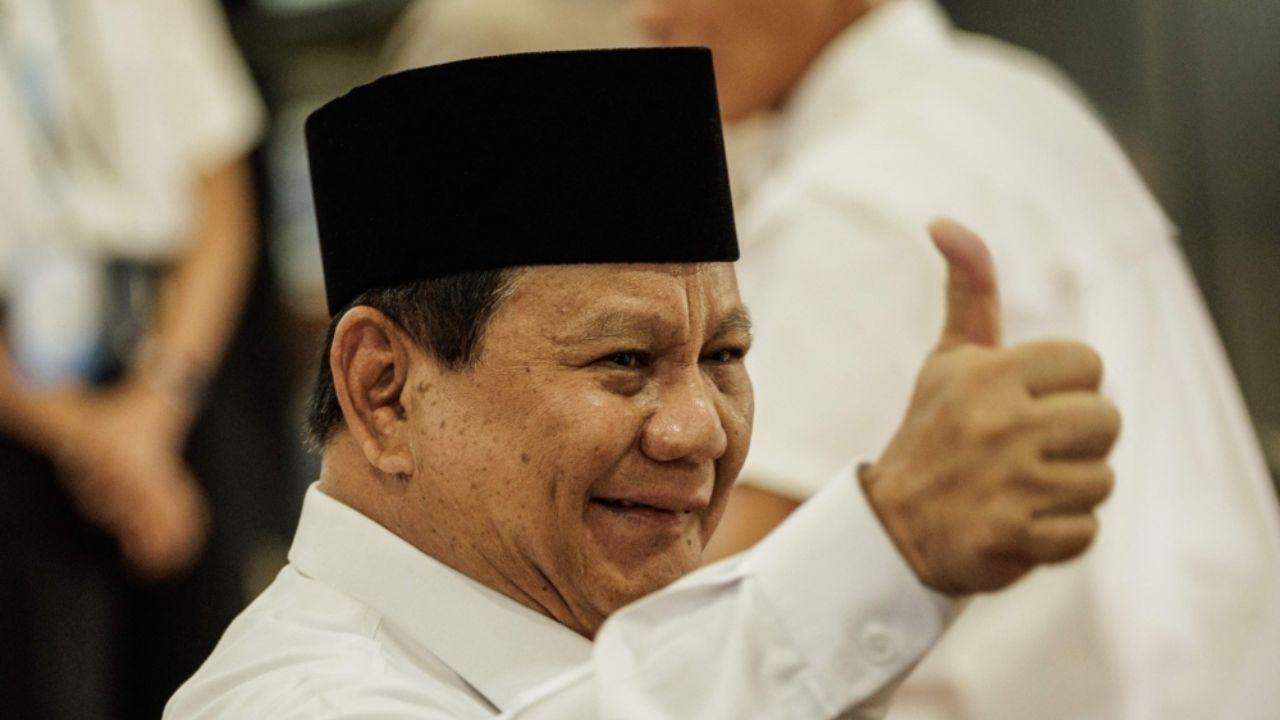
Indonesia’s Independence Day celebrations, President Prabowo Subianto has granted pardons to two of his political rivals who were recently sentenced to prison. The decision has drawn mixed reactions from both supporters and critics, raising discussions about political unity, law, and the fight against corruption in the country.
Who Received the Pardons?
The first person to receive amnesty is Hasto Kristiyanto, the secretary general of the Indonesian Democratic Party of Struggle (PDIP). Hasto was found guilty of bribing an election official and had been sentenced to 3.5 years in prison.
However, President Prabowo granted him amnesty, which removes his prison sentence but does not erase his conviction. That means the court’s decision still stands, but Hasto does not have to serve jail time.
The second individual is Thomas Trikasih Lembong, a former trade minister who served under the previous President Joko Widodo. Lembong was also sentenced to 3.5 years in jail after being found guilty of improperly giving sugar import permits.
But instead of amnesty, Lembong was given abolition, which means both his charges and his sentence are cancelled. In simple terms, he is cleared of wrongdoing and will not go to prison at all.
Why Were the Pardons Given?
Law Minister Supratman Andi Agtas explained the decision in a press meeting. He said that the pardons were given as part of a national effort to bring together all political groups and to celebrate Indonesia’s Independence Day on August 17.
According to the minister, “We need to build this country together, and both of them have made contributions to our republic.”
The pardon for Hasto was one among more than 1,100 other pardons announced ahead of the celebration. The government regularly gives such pardons in August as part of a tradition.
How Do Indonesian Laws Allow Pardons?
Under Indonesian law, the president has the legal power to give both amnesty and abolition. However, these decisions usually need to be approved by the parliament.
Bivitri Susanti, a law expert from the Jentera School of Law in Indonesia, said that the process followed the legal route, but she also expressed concern about the timing and motives behind these specific pardons.
She suggested that giving amnesty to Hasto might be more political than legal, as Prabowo’s government could be seeking support from PDIP, the largest opposition party in parliament.
What Are People Saying About It?
Reactions have been mixed. Some see it as a smart move to create unity and peace among political rivals. Others are worried that it sends a wrong message—especially in a country where corruption is a big concern.
Muhammad Isnur, from the Indonesian Legal Aid Foundation, said that the government may be using the justice system for political deals. He warned that such actions might weaken public trust in the courts and in the government’s efforts to fight corruption.
What About the Public’s Opinion?
There were protests from some citizens, especially about the sentence given to Thomas Lembong. People believed he was unfairly treated. His pardon could be seen as the government responding to these concerns.
Still, many believe that the pardons should not be given easily, especially when they involve corruption or misuse of power. They fear that it might make others feel that such acts will not have serious consequences if one has political connections.
A Tradition with New Challenges
It is not unusual for Indonesian presidents to give clemencies in the lead-up to Independence Day. But in this case, because both Hasto and Lembong were politically active and linked to past election events, the public is watching closely.
Some ask: Is this about mercy, or is it about politics? Is this helping the nation move forward, or is it a step back in the fight against corruption?
These questions will likely continue in the coming days as the country approaches August 17.
President Prabowo’s decision to pardon two political rivals has sparked a national debate. Supporters believe it shows leadership and unity, while critics argue it could damage the credibility of Indonesia’s legal system.
As the nation prepares to celebrate its independence, people are reminded that building a strong country requires not only unity but also honesty, justice, and accountability.










PM Modi Pays Tribute to Mahatma Gandhi, Urges People to Support Khadi
PM Modi pays tribute to Mahatma Gandhi on Gandhi Jayanti and urges citizens to support Khadi and the

Amazon Seeks to Offload $8 Billion in Nvidia Chips to Investors
Amazon plans to move $8 billion in Nvidia chips to investors, using a new financing model to strengt

Samsung Raises Galaxy S26 Prices as Memory Chip Costs Rise
Samsung raises Galaxy S26 prices in South Korea as rising memory chip costs put pressure on smartpho

Lewis Hamilton Calls Singapore Grand Prix One of F1's Toughest Races
Lewis Hamilton discusses the demanding Singapore Grand Prix and brings Plus44 and Almave to Singapor

Denmark's Pandora Opens World's Largest Jewellery Factory in Vietnam
Pandora opens its largest jewellery factory in Vietnam, expanding global production, strengthening s

Gautam Gambhir Questions Batting-Friendly Pitches After India's Record ODI Chase
Gautam Gambhir questions batting-friendly ODI pitches after India’s record chase, calling for a bett

