You have not yet added any article to your bookmarks!
Join 10k+ people to get notified about new posts, news and tips.
Do not worry we don't spam!
Post by : Samjeet Ariff
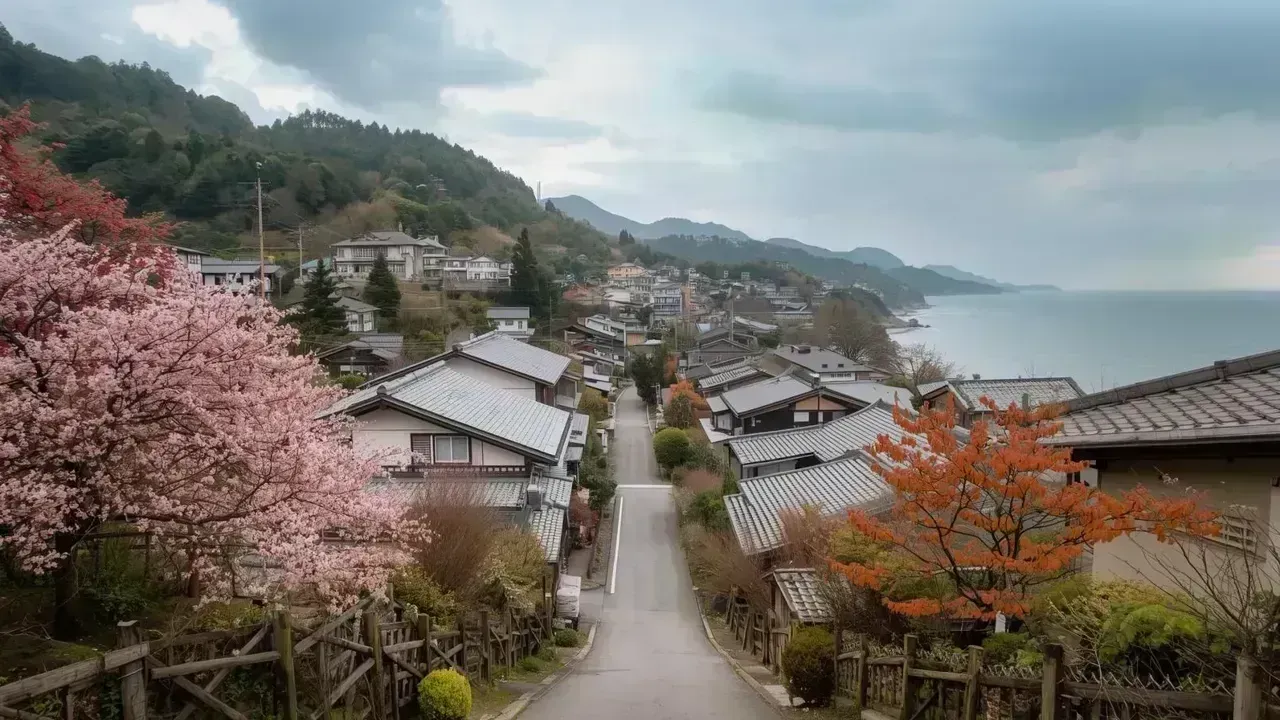
Japan has successfully re-emerged as a premier travel destination globally. Following years of phased reopening and health measures, Japan's travel landscape is now largely welcoming and devoid of restrictions. Yet, travelers often find themselves unclear due to mixed information and past assumptions.
This comprehensive guide sheds light on current travel allowances to Japan, including entry criteria, visa necessities, health protocols, and what visitors can realistically expect in 2026, all articulated in a straightforward manner.
Absolutely. Japan has completely opened its borders to international tourists for leisure, education, business, and family visits. Independent travelers can now enter without the need for guided tours.
Visitors are free to:
Book flights directly
Stay in various accommodations like hotels, ryokans, and short-term rentals
Travel between cities using trains and domestic flights
Access attractions without entry restrictions
Tourism in Japan has reverted to normal, including peak seasons.
Japan allows entry to:
Short-term tourists
Business travelers
Students
Skilled professionals
Family visitors
Transit passengers
Entry eligibility primarily hinges on nationality and visa status, excluding health-related approvals.
Japan offers visa-free short-term entry to many foreign nationals for tourism and business activities.
Stay duration of up to 90 days
Tourism, sightseeing, and short business engagements
No employment or paid activities
Employment in Japanese firms
Extended stays
Freelancing or paid performances
Travelers must adhere to entry criteria like passport validity and evidence of onward travel.
People from countries without visa-exempt agreements need to apply for a Japanese tourist visa ahead of their trip.
Passport
Completed application form
Travel itinerary
Accommodation proofs
Financial documentation
Processing times can vary, suggesting early planning is essential.
While Japan imposes no lengthy passport validity demands, it’s essential that:
Your passport remains valid for the entire duration of your stay
It is undamaged with blank pages
Airlines may prevent boarding if they have doubts regarding passport validity, despite immigration guidelines permitting entry.
Currently, Japan does not mandate proof of COVID-19 vaccination or negative tests for entry purposes.
No health documentation required at immigration
No quarantine restrictions
No testing on arrival
Health-related entry restrictions are fully lifted.
The arrival protocol at Japanese airports is now simplified and efficient.
Immigration processing
Fingerprinting and photo capture
Customs declaration
Baggage collection
Travelers typically navigate immigration without hassle, especially when documents are well-prepared.
Immigration officers in Japan may pose straightforward questions such as:
Purpose of your visit
Duration of your stay
Accommodation details
Return or onward ticket requirements
These inquiries are routine and not alarming.
Japan upholds customs regulations strictly yet fairly.
Personal belongings
Duty-free alcohol and tobacco within limits
Reasonable amounts of personal medication
Certain medications lacking documentation
Fresh food and agricultural products
Weapons or imitations thereof
Illegal drugs
Verify medication policies before carrying prescription drugs.
Once in Japan, there are no travel restrictions among cities or regions.
Travelers can conveniently utilize:
Shinkansen bullet trains
Local transit options
Domestic air travel
Rental vehicles
No permits or tracking measures are needed.
Accommodation facilities across Japan function normally.
Passport copy for international guests
Basic registration details
Payment confirmation
No health screenings or movement limitations are enforced.
Mask usage is optional, rather than mandatory.
Some locals may still wear masks
Masks could be suggested in healthcare facilities
Business establishments may request mask-wearing during flu seasons
Adhering to local traditions is appreciated but not compulsory.
All principal tourist services are functioning at full capacity.
Travelers can freely enjoy:
Cafes and restaurants
Shopping venues and marketplaces
Amusement parks
Temples, museums, and cultural sites
There are no capacity limits or timed-entry controls nationwide.
Although restrictions have ceased, Japanese etiquette remains intact.
Maintain quietness on trains
No loud calls
Orderly lines
Cleanliness is expected
Adhering to these norms enhances the experience and interactions.
While not compulsory, obtaining travel insurance is strongly recommended.
Medical expenses can be steep for tourists
Natural occurrences can disrupt journeys
Insurance provides peace of mind
It acts as a safeguard against unforeseen events.
Business travel is completely permitted.
Meetings and conferences
Trade shows
Client interactions
Short professional engagements
Work visas are necessary solely for extended employment.
Students and long-term visa holders can enter as usual.
Valid resident status
Proper documentation is a must
No quarantine constraints
Universities and organizations no longer provide unusual entry permissions.
Passengers in transit can move through Japanese airports without restrictions.
Transit requirements depend on nationality
Exiting the airport may necessitate visa eligibility
Consult airline conditions prior to booking.
Though Japan is safe, staying informed is crucial.
Know local emergency numbers
Stay updated with local alerts
Become familiar with hotel evacuation plans
Preparation is standard, not a hindrance.
Some pandemic-induced changes remain due to their increased efficiency.
Digital immigration procedures
Contactless payments
Online bookings for popular sites
These adaptations support travelers rather than hinder them.
Numerous outdated claims continue to circulate.
“Tourists must join organized groups” – myth
“Vaccination proof is mandatory” – myth
“Domestic travel is restricted” – myth
“Special applications are essential” – myth
Traveling to Japan is now straightforward.
To sidestep delays:
Have printed accommodation information on hand
Maintain return ticket confirmations
Ensure your passport is in good condition
Declare items truthfully at customs
Prepared travelers usually face minimal delays.
With tourism fully revitalized:
Peak seasons are likely to be bustling
Prior bookings will be essential
Costs may fluctuate per season
Planning ahead enhances comfort and spending control.
Japan has transitioned past a framework of restrictive travel regulations. Today, entry is clear, predictable, and tourist-friendly. Attention has now shifted from health monitoring to efficient immigration and tourism management.
Travelers who lean on current information, observe local protocols, and prepare necessary documents can explore Japan freely and confidently.
This article serves purely informational purposes and captures travel conditions as of the writing date. Entry norms, visa regulations, and travel guidelines may alter without prior notice based on governmental decisions. Travelers are encouraged to verify present requirements with official agencies or airlines before planning or undertaking international journeys.








Rabada Misses First Australia Test as South Africa Pick Two Spinners
Kagiso Rabada misses the opener as South Africa vs Australia begins, with Anrich Nortje returning an

Starc Compares Australia's Tough Year to McIlroy's Major Sweep
Mitchell Starc says Australia winning three away Test series and the World Cup would match Rory McIl

France’s Sesterce Plans $11 Billion AI Data Centre in Finland
Sesterce plans a $11 billion AI data centre in Finland, with major expansion, green energy plans and

Danaher to Launch AI-Powered Autonomous Research Lab in 2027
Danaher plans an AI research lab for 2027, combining robotics and automation to speed up drug discov

Musk Welcomes German Support for Tesla Driver Assistance Tech as EU Approval Push Continues
Elon Musk welcomes Germany's backing for Tesla FSD as the company seeks EU approval amid speed, safe

Microsoft and Nvidia CEOs to Unveil AI Laptop at San Francisco Event
Microsoft and Nvidia showcase a new AI laptop with RTX Spark chips as they push powerful local AI co