
You have not yet added any article to your bookmarks!
Join 10k+ people to get notified about new posts, news and tips.
Do not worry we don't spam!
Post by : Anis Farhan
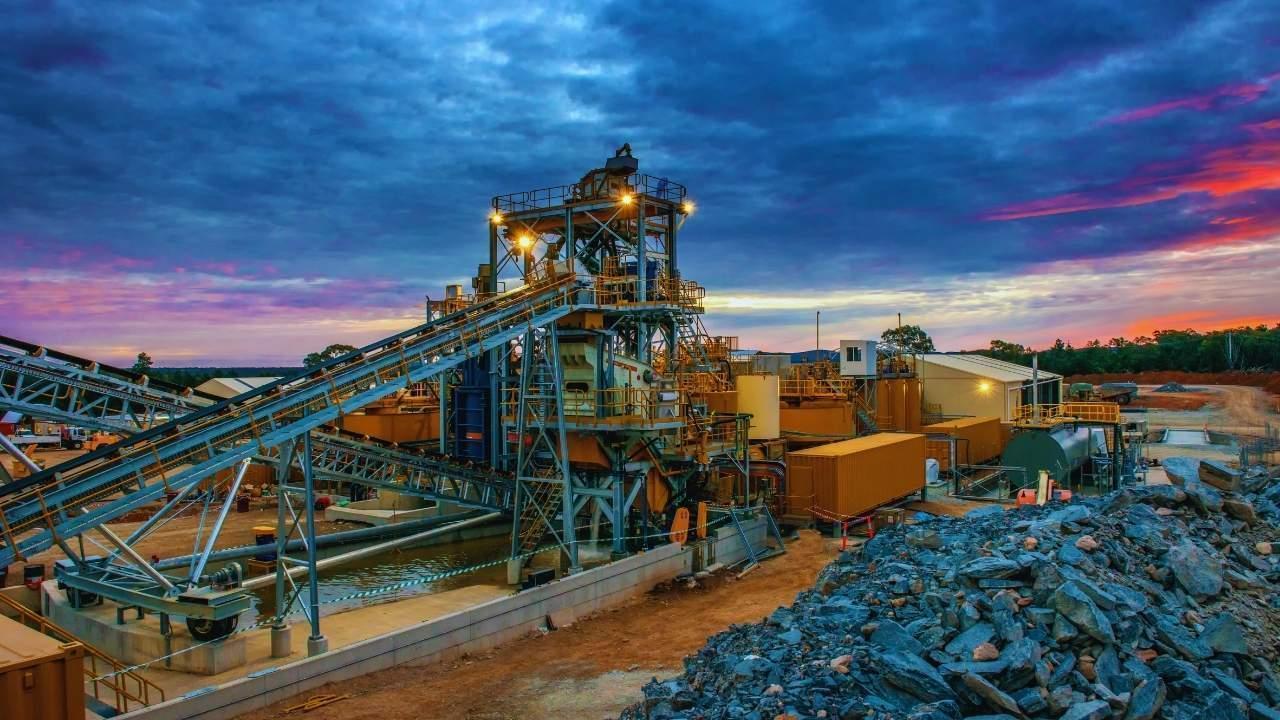
Mongolia is a country rich in natural resources, with vast reserves of coal, copper, gold, and rare earth minerals. The mining sector has been central to the nation’s economic development, driving exports, creating jobs, and attracting foreign investment. With the global demand for minerals rising, Mongolia has positioned itself as a strategic supplier, particularly to neighboring China and other Asian markets.
Over the past two decades, large-scale projects such as the Oyu Tolgoi copper-gold mine have brought Mongolia into the spotlight. Foreign investment has surged, infrastructure projects have accelerated, and mining has become a key contributor to national GDP. According to recent statistics, mining accounts for nearly 20–25% of Mongolia’s GDP and more than 80% of its export earnings, making it a cornerstone of economic growth.
However, the rapid expansion of mining operations brings complex challenges. The environmental impact of mining, particularly in fragile ecosystems like the Gobi Desert, has become a pressing concern. Water scarcity, land degradation, and air pollution are growing issues, alongside social challenges such as displacement of local communities and disruption of traditional herding practices.
Mongolia stands at a crossroads: how to harness the economic potential of its mineral wealth while protecting its environment and ensuring long-term sustainability.
The mining industry provides numerous economic benefits for Mongolia.
Large-scale projects have attracted billions in foreign investment. The Oyu Tolgoi project, jointly operated by the Mongolian government and foreign investors, exemplifies this trend. Investments have not only fueled mining operations but have also facilitated infrastructure development, including roads, railways, and energy projects, creating broader economic benefits for the country.
New mining projects also encourage the growth of related industries. Equipment manufacturing, transport services, logistics, and construction all benefit from mining activity. Local businesses are often subcontracted to provide goods and services, creating jobs and stimulating domestic economic activity.
Mining operations provide both direct and indirect employment. Workers are trained in specialized technical skills, which can be applied across the broader industrial sector. From engineers to geologists, technicians, and support staff, mining projects contribute to human capital development in Mongolia.
Additionally, many international mining firms establish training programs and partnerships with local universities to nurture talent, improve workforce skills, and promote technological transfer. These initiatives contribute to the country’s long-term economic resilience.
Mining royalties and taxes are a crucial source of government revenue. This funding supports national development projects in education, healthcare, and infrastructure. For a country like Mongolia, which has a small population and limited domestic industrial capacity, mining revenues are essential for public services and economic diversification.
Revenue from mining also enables Mongolia to engage in international trade negotiations from a position of strength, attract further investment, and enhance its influence in regional economic initiatives.
Mongolia’s mineral exports are in high demand globally, especially in China, which consumes substantial quantities of coal, copper, and gold. Rising global demand for rare earth minerals, essential for electronics and renewable energy technologies, presents new opportunities for Mongolia to increase export revenues and strengthen its strategic position in the global market.
Despite the clear economic advantages, the environmental impact of mining in Mongolia cannot be overlooked.
Mining operations often require large tracts of land for extraction, transportation, and processing. This disrupts fragile ecosystems, particularly in arid regions like the Gobi Desert. Loss of vegetation, soil erosion, and habitat fragmentation threaten biodiversity and reduce the land’s natural resilience.
Traditional herding communities, which rely on pastureland for livestock grazing, are especially affected. Land degradation reduces grazing areas, leading to conflicts between mining companies and local communities over land use rights.
Mining is a water-intensive activity, and Mongolia faces chronic water scarcity due to its arid climate. Open-pit mining, particularly for copper and gold, consumes vast amounts of water for processing ore and suppressing dust. This can deplete local water sources, affecting both human settlements and ecosystems.
In addition to quantity, water quality is a concern. Chemical runoff from mining operations can contaminate rivers and groundwater with heavy metals, cyanide, and other pollutants. This not only threatens wildlife but also poses risks to human health and agricultural productivity.
Mining and transportation activities release dust and particulate matter into the air. In desert regions, this exacerbates already high levels of dust and can lead to respiratory issues for local populations. Coal mining and coal-fired energy plants further contribute to air pollution, raising concerns about public health and climate impact.
Mining contributes significantly to greenhouse gas emissions. Fossil fuel extraction and the energy-intensive processing of minerals release carbon dioxide, contributing to climate change. As Mongolia and the world commit to carbon reduction goals, the environmental cost of mining becomes increasingly significant.
Mining expansion also has social consequences.
Mining projects often require relocation of communities. Traditional herding practices, which have shaped Mongolian culture for centuries, are disrupted. Loss of pastureland can lead to reduced livestock productivity and threaten food security.
Mining communities face health risks from air and water pollution. Occupational safety for miners remains a critical issue, with incidents of accidents, exposure to hazardous materials, and inadequate protective measures reported in some areas.
Mongolia’s landscape holds archaeological and historical significance. Mining in sensitive areas can damage cultural sites, leading to loss of heritage and historical knowledge. Balancing economic development with preservation is a delicate and often contentious issue.
To address these challenges, Mongolia is increasingly adopting policies to promote sustainable mining.
The government has strengthened environmental regulations, requiring companies to conduct environmental impact assessments, implement mitigation measures, and restore land post-mining. Compliance monitoring and penalties for violations are being enhanced to ensure accountability.
Modern mining techniques, such as water recycling, dust suppression systems, and energy-efficient extraction processes, are being promoted. Adoption of cleaner technologies can reduce environmental footprints while maintaining economic output.
Mining companies are encouraged to engage with local communities, providing compensation, alternative livelihoods, and social development programs. This helps mitigate conflict, promote inclusivity, and ensure that mining benefits are shared more equitably.
Mongolia is exploring strategies to diversify its economy and reduce overreliance on mining. Investments in renewable energy, agriculture, tourism, and technology are critical to building a resilient economy that can withstand fluctuations in global mineral prices.
The international market for minerals continues to grow, particularly in sectors like electronics, renewable energy, and electric vehicles. Mongolia’s vast reserves of copper, gold, and rare earth elements position it to meet this demand. Strategic partnerships with global investors and technology firms can enhance production efficiency and sustainability.
Future prospects include expanding the processing capacity within Mongolia rather than exporting raw ores. This value addition can increase revenue, create jobs, and promote industrial development. Strengthening export logistics, infrastructure, and trade agreements will further improve Mongolia’s competitiveness in the global market.
Mongolia’s mining sector embodies both opportunity and challenge. It is a critical driver of economic growth, foreign investment, and employment, but it also poses significant environmental and social risks. The country must navigate this complex landscape carefully to ensure sustainable development.
Responsible mining practices, regulatory enforcement, technological innovation, and active community engagement are key to balancing economic gains with environmental protection. By embracing sustainability, Mongolia can harness its mineral wealth for long-term prosperity while safeguarding its unique ecosystems, cultural heritage, and the livelihoods of its people.
The story of Mongolia’s mining sector is not just about minerals and profits; it is about shaping a future where economic development and environmental stewardship go hand in hand.
This article is intended for informational purposes only. It reflects recent developments and trends in Mongolia’s mining sector. The opinions expressed are based on publicly available information and should not be considered financial, investment, or policy advice.









PM Modi Pays Tribute to Mahatma Gandhi, Urges People to Support Khadi
PM Modi pays tribute to Mahatma Gandhi on Gandhi Jayanti and urges citizens to support Khadi and the

Amazon Seeks to Offload $8 Billion in Nvidia Chips to Investors
Amazon plans to move $8 billion in Nvidia chips to investors, using a new financing model to strengt

Samsung Raises Galaxy S26 Prices as Memory Chip Costs Rise
Samsung raises Galaxy S26 prices in South Korea as rising memory chip costs put pressure on smartpho

Lewis Hamilton Calls Singapore Grand Prix One of F1's Toughest Races
Lewis Hamilton discusses the demanding Singapore Grand Prix and brings Plus44 and Almave to Singapor

Denmark's Pandora Opens World's Largest Jewellery Factory in Vietnam
Pandora opens its largest jewellery factory in Vietnam, expanding global production, strengthening s

Gautam Gambhir Questions Batting-Friendly Pitches After India's Record ODI Chase
Gautam Gambhir questions batting-friendly ODI pitches after India’s record chase, calling for a bett

