
You have not yet added any article to your bookmarks!
Join 10k+ people to get notified about new posts, news and tips.
Do not worry we don't spam!
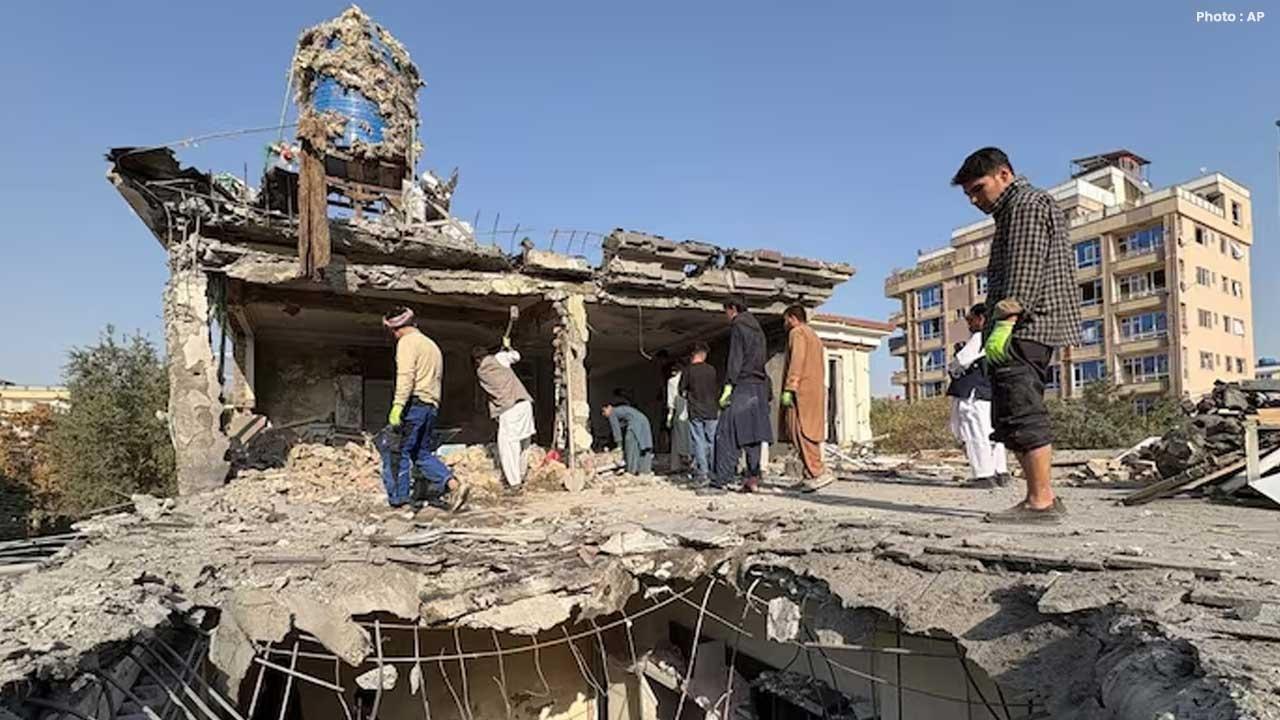
Post by : Rameen Ariff
In a stunning revelation during the Afghanistan-Pakistan peace talks in Turkey, Pakistan has publicly admitted for the first time that it cannot stop drone strikes in Afghanistan due to a secret agreement with a foreign country. The admission has sent shockwaves through the fragile diplomatic process, threatening to derail the ongoing ceasefire and deepen mistrust between the two neighbouring nations.
According to sources, the Pakistani delegation told negotiators that Islamabad was bound by an international agreement that permits drone strikes inside Afghanistan. They reportedly said Pakistan was “helpless” in preventing these operations, as breaching the deal would not be possible. The revelation marks the first official acknowledgment from Pakistan that foreign powers have permission to conduct drone attacks on Afghan soil.
The peace talks, held in Ankara, Turkey, were aimed at ending months of escalating violence that erupted after deadly border clashes between Pakistani forces and the Taliban-led Afghan government. However, following Pakistan’s admission, the discussions have stalled, with Afghan representatives accusing Islamabad of violating Afghan sovereignty.
Sources close to the negotiations said the Pakistani delegation appeared disorganised and unable to present a unified position. They reportedly requested that Afghanistan recognise Pakistan’s right to conduct strikes inside Afghan territory whenever attacks by the Tehrik-i-Taliban Pakistan (TTP) occur — a proposal that was flatly rejected by the Afghan side.
This latest twist comes amid Pakistan’s growing defence and strategic cooperation with the United States under President Donald Trump’s administration. In recent months, Prime Minister Shehbaz Sharif and Army Chief Asim Munir have held multiple high-level meetings in Washington, signalling a renewed alignment. Trump has also demanded the return of the Bagram airbase from Taliban control, calling it vital for regional counterterrorism operations.
The admission also follows Pakistan’s Strategic Mutual Defence Agreement with Saudi Arabia, signed in September 2025. The deal commits both nations to defend each other against external threats and marks a deepening of military and economic cooperation. Analysts say this agreement may have further complicated Islamabad’s position in its dealings with Kabul.
The Afghanistan-Pakistan conflict reignited in early September when escalating TTP attacks on Pakistani forces led to retaliatory airstrikes inside Afghanistan. Pakistan claimed its strikes targeted TTP hideouts in Kabul and Kandahar, but Afghan authorities accused Islamabad of killing civilians. The Taliban government reported that more than 200 people — including women and children — were killed in drone strikes and JF-17 jet bombings.
In response, Afghan forces launched artillery attacks along the Durand Line, killing at least 23 Pakistani soldiers and wounding hundreds. Fighting spread to border areas such as Spin Boldak and Kurram, prompting fears of a larger regional conflict.
Diplomatic pressure from Qatar, Saudi Arabia, and the United States helped secure a fragile 48-hour ceasefire on October 15, which has largely held despite repeated accusations of violations. But the revelation of Pakistan’s secret drone strike agreement threatens to reignite tensions and undermine international mediation efforts.
As of now, both Kabul and Islamabad continue to blame each other for derailing peace talks. The Afghan government has demanded full transparency regarding Pakistan’s foreign drone strike agreement, while Islamabad insists that its actions are necessary to protect national security.
The collapse of the Afghanistan-Pakistan peace talks highlights the deep mistrust between the two nations and raises serious questions about external influence in the region. Experts warn that unless the issue of foreign drone operations is addressed transparently, the path to lasting peace in South Asia may remain elusive.


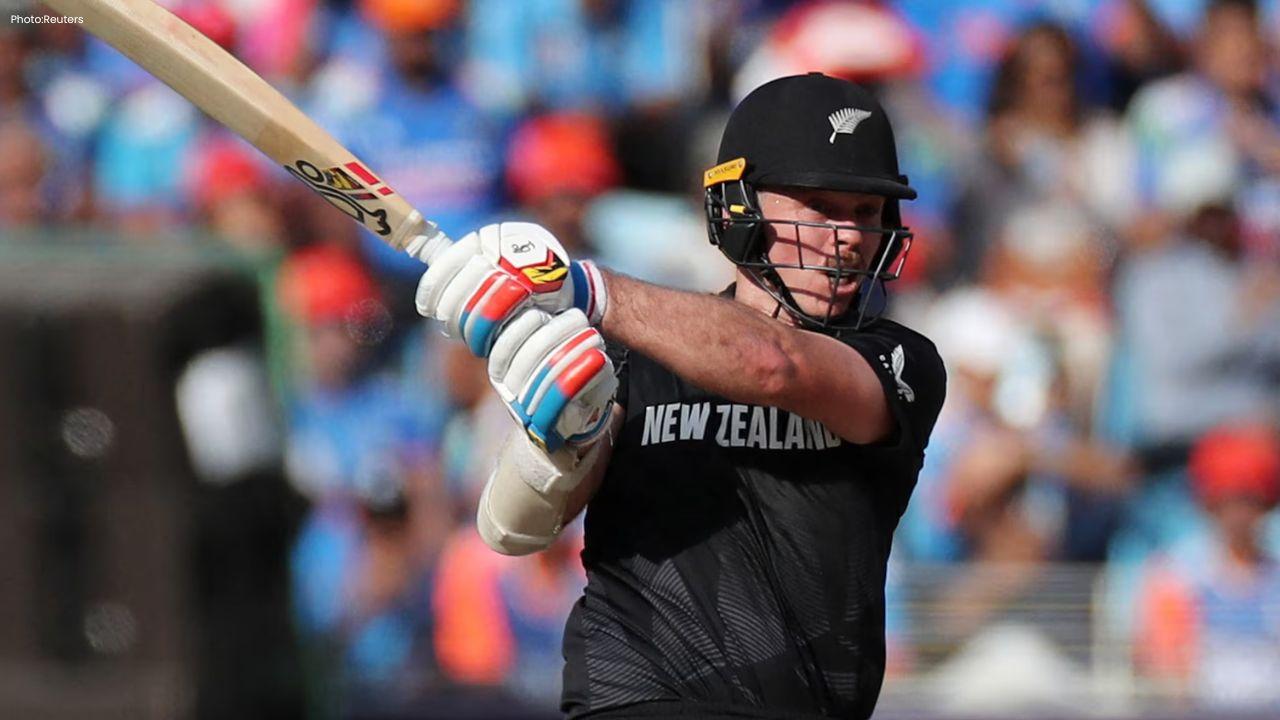



Michael Bracewell Chooses Casual Contract, Targets BBL Opportunity
Michael Bracewell moves to a casual contract as he eyes a BBL opportunity while remaining available

Tuchel Says Alex Scott Can Challenge Declan Rice for England Midfield Spot
Thomas Tuchel says Alex Scott can challenge Declan Rice for an England midfield place after his impr

Air Quality Turns Unhealthy in Central and Western Singapore Amid Haze
Singapore haze pushes PSI above 100 in central and western areas as smoke from regional hotspots rai

PM Modi Pays Tribute to Mahatma Gandhi, Urges People to Support Khadi
PM Modi pays tribute to Mahatma Gandhi on Gandhi Jayanti and urges citizens to support Khadi and the

Amazon Seeks to Offload $8 Billion in Nvidia Chips to Investors
Amazon plans to move $8 billion in Nvidia chips to investors, using a new financing model to strengt

Samsung Raises Galaxy S26 Prices as Memory Chip Costs Rise
Samsung raises Galaxy S26 prices in South Korea as rising memory chip costs put pressure on smartpho

