
You have not yet added any article to your bookmarks!
Join 10k+ people to get notified about new posts, news and tips.
Do not worry we don't spam!
Post by : Rameen Ariff
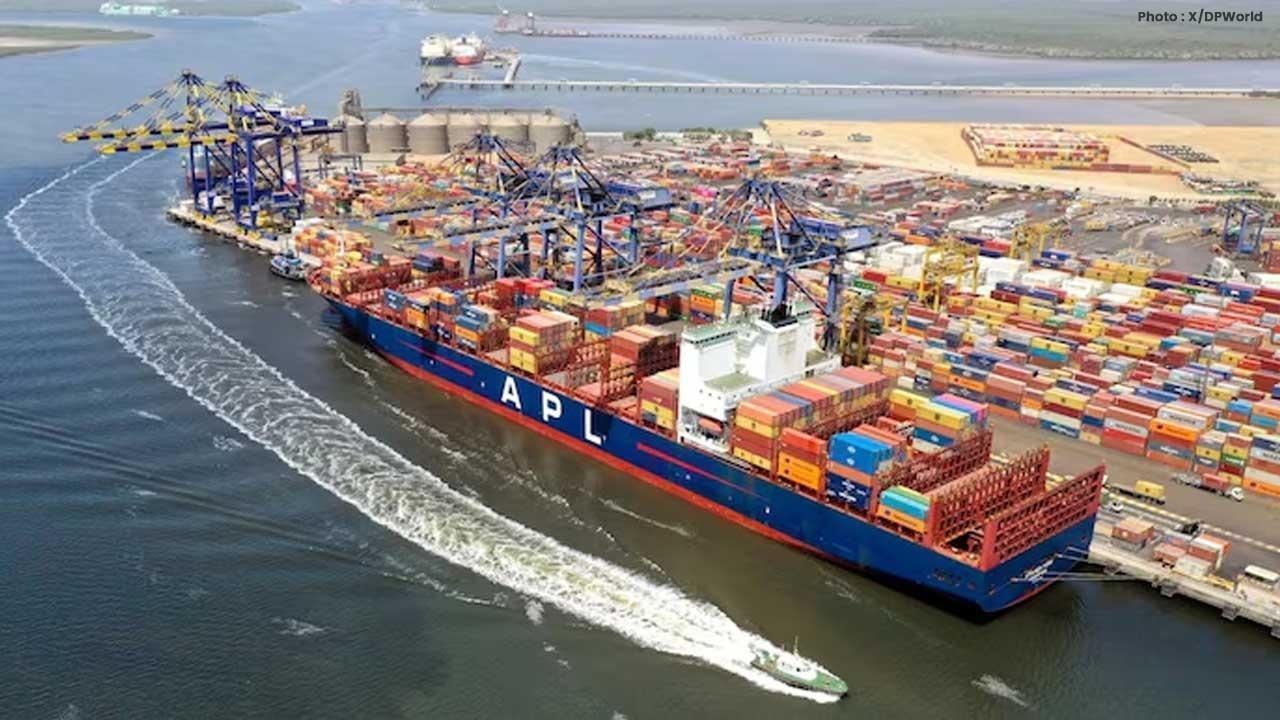
In a significant geopolitical development, Pakistan has offered Bangladesh access to its Karachi port for the export of jute products and other goods, a move seen as an attempt to strengthen ties with Dhaka amid the ongoing India-Bangladesh trade tensions. The announcement comes weeks after India banned the import of jute products from Bangladesh through land routes, straining bilateral trade and opening the door for Pakistan to position itself as an alternative trade partner.
The offer was made during the Pakistan-Bangladesh Joint Economic Commission (JEC) meeting in Dhaka — the first such meeting in two decades — marking a notable thaw in relations between the two nations, which have shared a complex history since Bangladesh’s independence from Pakistan in 1971. Officials confirmed that Pakistan’s proposal aims to facilitate Bangladesh’s jute exports through Karachi port to markets in China, the Gulf, and Central Asia.
The Pakistan offer to Bangladesh to use Karachi port comes at a critical moment, as Dhaka faces logistical and economic challenges following India’s trade restrictions. India recently prohibited the import of key jute products and ropes through all land routes, forcing Bangladeshi exporters to rely on expensive sea transport options. By offering the Karachi port to Bangladesh, Pakistan is seeking to fill this strategic gap and expand its influence in South Asia’s evolving trade dynamics.
However, experts argue that the move is largely symbolic. The 2,600 nautical mile route from Bangladesh to Karachi takes about two weeks to complete, raising concerns about its economic feasibility. Despite this, Pakistan’s overture carries geopolitical weight, signalling a new phase in Pakistan-Bangladesh relations and a challenge to India’s traditional dominance in regional trade.
As part of the new trade-friendly approach, Pakistan has also reduced taxes on jute imports from Bangladesh. Earlier this year, Islamabad scrapped a 2% customs duty on Bangladeshi jute, and it now plans to extend tax relief on additional jute products. Officials say the goal is to help Bangladesh expand its export market and stabilize its struggling jute sector, which has been hit hard by India’s recent restrictions.
“Pakistan is very interested in importing jute and textile products from Bangladesh, while Dhaka is looking for new export partners,” a senior trade official from Bangladesh said after the meeting. He added that Pakistan has also requested market access for its mango exports to Bangladesh — an area where India previously dominated.
The latest developments follow growing diplomatic shifts in Dhaka after the fall of the Sheikh Hasina government last year. Under interim leader Muhammad Yunus, Bangladesh’s foreign policy has taken a more diversified turn, with Dhaka reopening diplomatic and economic channels with countries such as Pakistan and China. The new leadership is actively exploring trade alternatives to reduce overreliance on India.
India’s recent trade policies have significantly affected Bangladesh’s jute industry, which is one of the country’s largest export sectors. According to official data, Bangladesh’s export earnings from jute fell to $3.4 million in July 2025 — down from $12.9 million during the same month the previous year. The sharp decline came after India banned overland imports of woven fabrics and garments, further limiting Dhaka’s access to one of its largest markets.
The Pakistan-Bangladesh Karachi port offer also coincides with Islamabad’s efforts to revive regional economic diplomacy. Pakistan’s move to court Dhaka reflects its ambition to counter India’s influence in South Asia while boosting its own trade footprint. The development has been welcomed by sections of Bangladesh’s business community, though many remain cautious about the high shipping costs and logistical hurdles involved.
Despite these challenges, analysts say Pakistan’s outreach marks an important diplomatic shift. By offering Bangladesh access to Karachi port, Pakistan is signaling its readiness to rebuild bridges and expand cooperation in trade, logistics, and investment. For Bangladesh, the proposal represents both an opportunity and a test — balancing economic diversification with the realities of geography and cost.
With the India-Bangladesh relationship under strain and trade routes disrupted, the Karachi port offer could mark the beginning of a new strategic chapter in South Asian commerce. Whether it leads to meaningful cooperation or remains a symbolic gesture will depend on how both nations navigate the politics and practicality of this emerging partnership.








Michael Bracewell Chooses Casual Contract, Targets BBL Opportunity
Michael Bracewell moves to a casual contract as he eyes a BBL opportunity while remaining available

Tuchel Says Alex Scott Can Challenge Declan Rice for England Midfield Spot
Thomas Tuchel says Alex Scott can challenge Declan Rice for an England midfield place after his impr

Air Quality Turns Unhealthy in Central and Western Singapore Amid Haze
Singapore haze pushes PSI above 100 in central and western areas as smoke from regional hotspots rai

PM Modi Pays Tribute to Mahatma Gandhi, Urges People to Support Khadi
PM Modi pays tribute to Mahatma Gandhi on Gandhi Jayanti and urges citizens to support Khadi and the

Amazon Seeks to Offload $8 Billion in Nvidia Chips to Investors
Amazon plans to move $8 billion in Nvidia chips to investors, using a new financing model to strengt

Samsung Raises Galaxy S26 Prices as Memory Chip Costs Rise
Samsung raises Galaxy S26 prices in South Korea as rising memory chip costs put pressure on smartpho

