You have not yet added any article to your bookmarks!
Join 10k+ people to get notified about new posts, news and tips.
Do not worry we don't spam!
Post by : Anis Farhan
Photo: Reuters
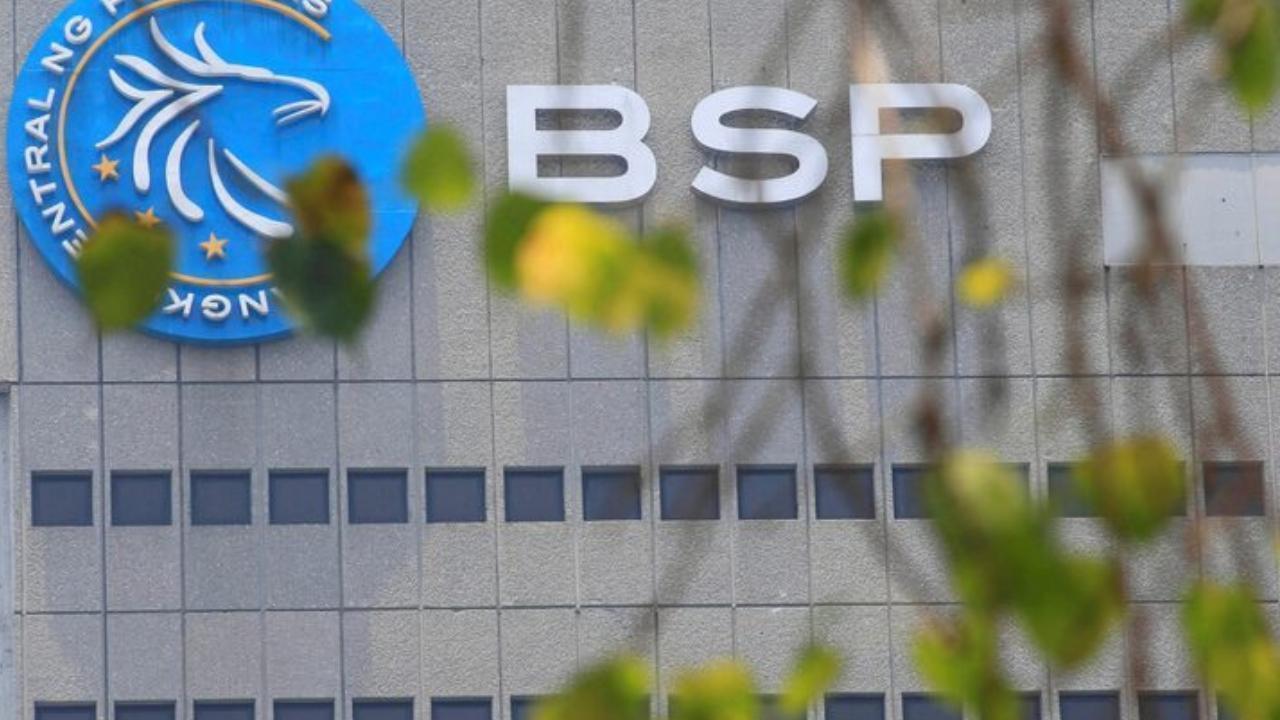
The Bangko Sentral ng Pilipinas (BSP) is expected to implement two more interest rate cuts before the end of 2025, according to most economists tracking the central bank’s trajectory. The move aims to stimulate economic activity and ease borrowing costs, aligning with global trends of policy normalization following the post-pandemic tightening cycle.
After maintaining a cautious stance earlier in the year, the BSP initiated its first rate cut in July, trimming the benchmark interest rate by 25 basis points to 6.25%. This came after inflation showed sustained signs of cooling, retreating within the central bank’s target range of 2% to 4%. With inflationary pressures now under control and economic growth slightly lagging expectations, analysts believe the central bank has enough headroom to loosen monetary policy further.
Most economic models and expert forecasts now suggest a total reduction of 50 basis points over the remaining quarters of 2025. The goal is to reduce the benchmark rate to 5.75% by year-end, providing relief for both consumers and businesses. Lower borrowing costs are expected to fuel spending, improve credit flow, and encourage capital investments across key sectors including construction, retail, and services.
The BSP has emphasized its data-dependent approach, with Governor Eli Remolona Jr. reiterating that further cuts would depend on clear signs of economic slack and continued disinflation. Speaking earlier this month, Remolona noted that while the inflation outlook remains favorable, the central bank is also mindful of external risks, such as volatility in global oil prices, El Niño-related disruptions, and currency movements.
The Philippines recorded a GDP growth rate of 5.6% in the first half of 2025, slightly below the government’s 6% target. Domestic demand has remained resilient but showed signs of softening, especially in household consumption, which accounts for more than 70% of GDP. The BSP’s easing is expected to revive confidence and offer support to the economy without triggering a renewed surge in prices.
The anticipated rate cuts would also bring the Philippine policy stance more in line with regional peers. Several Asian central banks, including those in South Korea and Indonesia, have begun easing policy as inflation stabilizes and global interest rates enter a downward cycle. The U.S. Federal Reserve’s expected pivot later this year is also giving emerging market central banks greater flexibility to adjust domestic rates without risking capital flight or currency depreciation.
However, not all analysts are fully aligned on the BSP’s next steps. Some warn that premature or aggressive easing could backfire if global inflation unexpectedly resurfaces or if geopolitical tensions affect commodity prices. Others argue that the central bank must move swiftly to avoid falling behind the curve, especially given the Philippines’ high reliance on consumer-driven growth and remittance inflows, which are sensitive to borrowing conditions.
Financial markets have already started to price in the cuts. The Philippine peso has remained relatively stable, trading within the 56 to 58 range against the U.S. dollar, supported by strong remittances and foreign direct investment inflows. The bond market has also responded favorably, with yields on 10-year government securities easing by over 20 basis points in the past month.
Business groups have welcomed the BSP’s approach, noting that easing borrowing costs would provide much-needed breathing room for small and medium enterprises still recovering from pandemic-era disruptions. The real estate and construction sectors, in particular, are expected to benefit from improved lending conditions as developers gear up for new projects in Metro Manila and emerging cities.
The government has set a 6.5% GDP growth target for the full year, banking on a combination of public infrastructure spending, private sector rebound, and supportive monetary policy. With inflation tamed and fiscal measures in place, the stage seems set for the BSP to gradually shift from a restrictive stance to one that facilitates growth while maintaining macroeconomic stability.
As the next monetary board meeting approaches, all eyes will be on the central bank’s tone and forward guidance. If data continues to show economic softness without inflation risks re-emerging, another rate cut could be announced as early as September, followed by a final adjustment in the fourth quarter.
In a broader context, the BSP’s policy easing marks a pivotal shift in post-pandemic economic strategy. After years of fighting inflation through aggressive tightening, the central bank now appears focused on recalibrating its tools to ensure sustained recovery while managing external vulnerabilities. The Philippines’ economic outlook for 2025 will likely hinge on how successfully this transition is managed.
This article is intended for informational purposes and is based on current economic projections as of July 2025. Newsible Asia does not offer financial advice and encourages readers to consult qualified professionals before making investment or policy-related decisions.










Danaher to Launch AI-Powered Autonomous Research Lab in 2027
Danaher plans an AI research lab for 2027, combining robotics and automation to speed up drug discov

Musk Welcomes German Support for Tesla Driver Assistance Tech as EU Approval Push Continues
Elon Musk welcomes Germany's backing for Tesla FSD as the company seeks EU approval amid speed, safe

Microsoft and Nvidia CEOs to Unveil AI Laptop at San Francisco Event
Microsoft and Nvidia showcase a new AI laptop with RTX Spark chips as they push powerful local AI co

Man to face charges over perfume thefts at Changi Airport
A 47-year-old man faces charges over perfume theft at Changi Airport after six items worth nearly S$

Google Signs 3.6-GW Power Deal With Constellation Energy in US
Google signs a 3.6-GW power deal with Constellation Energy, including nuclear power upgrades to supp

Harmanpreet Kaur Steps Down as India Captain Across All Formats
Harmanpreet Kaur steps down as India captain across all formats after a remarkable leadership journe