
You have not yet added any article to your bookmarks!
Join 10k+ people to get notified about new posts, news and tips.
Do not worry we don't spam!
Post by : Meena Ariff
Photo: Wikipedia
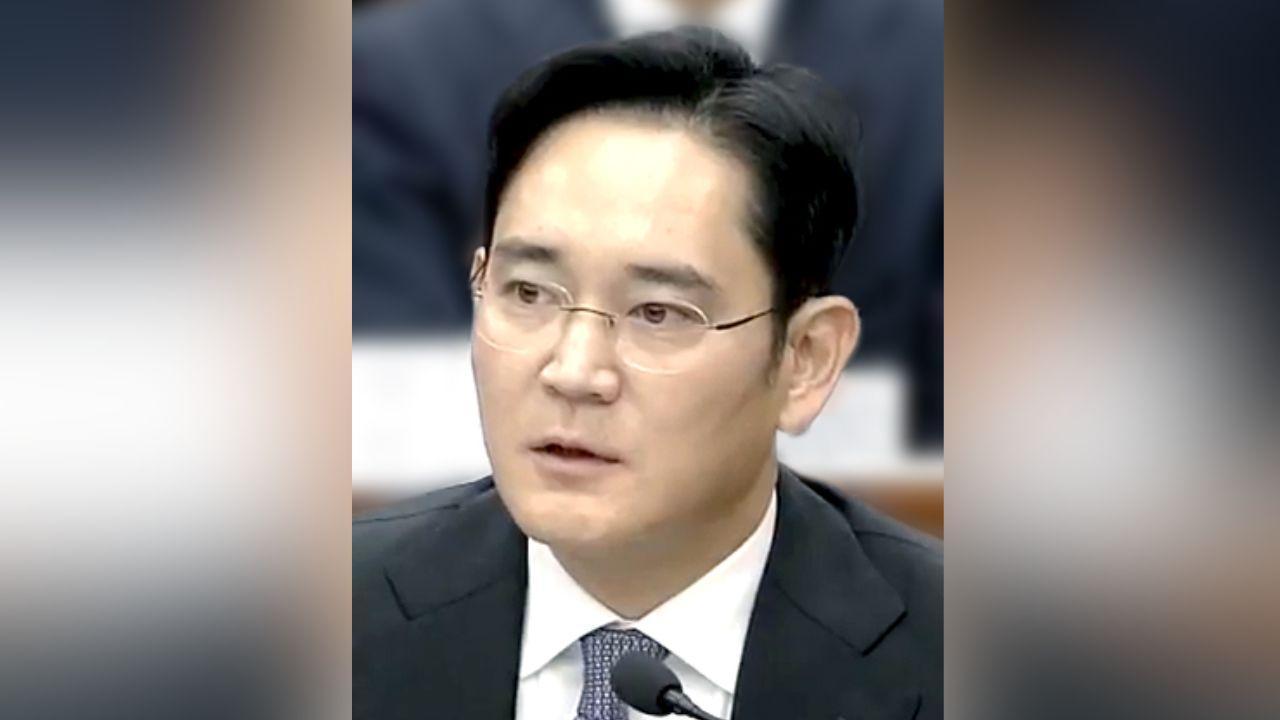
South Korea’s highest court has ruled that Lee Jae-yong, the executive chairman of Samsung Electronics, is not guilty of fraud and other criminal charges related to a business merger in 2015. The decision, delivered by the Supreme Court in Seoul, puts an end to a legal fight that has lasted nearly ten years and has had a major impact on both Lee’s leadership and Samsung’s public image.
Lee, who is the grandson of Samsung’s founder and has been the real decision-maker at the company since 2014, had been accused of committing stock and accounting fraud. Prosecutors claimed that he carried out an illegal merger to increase his control over the Samsung group after his father, Lee Kun-hee, became seriously ill from a heart attack.
But now, with this final ruling, the court confirmed what two earlier courts had also said — that Lee did not break the law.
The Background of the Case
The legal case goes back to a merger that happened in 2015 between two Samsung companies — Samsung C&T and Cheil Industries. At the time, Lee Jae-yong was looking to strengthen his control over the Samsung empire as his father was hospitalized and unable to run the company.
Prosecutors said the merger was not fair to shareholders and was part of a plan to help Lee become the group’s next leader without going through the proper legal and business process. They also said Samsung had manipulated the financial statements of its biotech division, Samsung Biologics, to make the merger more favorable.
These actions, they argued, broke the law and were part of a bigger plan to give Lee more power without giving others a fair say. The total value of the deal was estimated to be about $8 billion.
Three Trials, One Final Verdict
Lee was first arrested in 2017. This was during a time when South Korea was cracking down on corruption in large companies. He was accused of bribery, fraud, and hiding assets overseas. He served some jail time but was released early more than once, including in 2021 when he received a presidential pardon, with the government saying his leadership was needed during the COVID-19 pandemic to help rebuild the economy.
In 2024, a district court in Seoul found Lee not guilty of the fraud charges. Prosecutors appealed the verdict, and the case went to a higher court. Again, the appeals court agreed that Lee did not break the law. Still not satisfied, the prosecutors brought the case to the Supreme Court.
On Thursday, the Supreme Court said it agreed with the lower courts and confirmed that the merger and financial activities were legal. This ruling is final and cannot be appealed again.
Samsung Reacts to the Ruling
Samsung’s legal team welcomed the court’s decision. They said the ruling finally proved that the company had followed all the rules in the way it handled the merger and the accounting of its biotech arm. The lawyers also said the case had gone on for five years and involved a careful review of all the facts.
"This final ruling confirms that the merger and the accounting methods used were legal and fair,” Samsung’s lawyers said in a statement. “We appreciate the court’s wise decision.”
Why the Case Was So Important
This court case drew national and even global attention for several reasons. Samsung is South Korea’s biggest and most important company. It makes everything from smartphones and TVs to computer chips and home appliances. Its business decisions affect not just South Korea’s economy, but also international technology markets.
The case also shined a light on the power of chaebols — large family-owned business groups that dominate the South Korean economy. For years, these companies have been accused of corruption, favoritism, and using their influence to avoid punishment. Critics say that chaebols often act above the law, while supporters say they are essential for the country’s success.
Lee’s legal troubles were seen as a test of whether the country could treat the rich and powerful the same as everyone else in the justice system.
Lee’s Rise and Struggles
Lee Jae-yong became Samsung’s acting head in 2014 after his father, Lee Kun-hee, had a heart attack. His father remained in a coma for years and died in 2020. From that point, Lee was responsible for leading Samsung through a difficult time, dealing with tough business competition, changing technology trends, and falling profits in some areas.
Even while facing court cases, Lee kept working behind the scenes to manage Samsung’s major decisions. He traveled for business deals, oversaw big investments in chip manufacturing, and met with foreign leaders.
Lee’s supporters say he is a smart and capable leader who has helped Samsung grow even during challenging times. But others have criticized how he gained power and questioned whether he was always following the law.
Past Legal Problems
This wasn’t Lee’s first time in legal trouble. In 2017, he was jailed for giving bribes to officials in return for government support for the merger. He served one year before being released early. In 2021, he returned to jail briefly but was again released by a presidential pardon.
Each time, the government said that Samsung’s role in the economy was too important to ignore. But these decisions also raised concerns about fairness and whether rich business leaders were getting special treatment.
What’s Next for Samsung?
Now that the legal case is over, Samsung can focus fully on its business plans. The company is facing strong competition from companies in the United States, China, and Taiwan. Its mobile phone and semiconductor divisions are struggling to stay ahead of rivals like Apple and TSMC.
Samsung is also trying to expand into new industries like artificial intelligence, electric car batteries, and high-tech healthcare. With Lee’s legal problems now behind him, he is expected to lead Samsung’s efforts in these areas more openly and confidently.
Still, the company has to rebuild public trust after years of headlines about court cases and jail terms. Some people believe that even though Lee was found not guilty, the case revealed deeper problems in how big companies are run in South Korea.
A Symbolic Ending
The Supreme Court’s decision ends a long chapter in South Korea’s business and political history. For many, it’s a sign that powerful families still have a strong influence. For others, it shows that courts can be independent and rule based on evidence, not pressure.
Lee Jae-yong can now fully return to his role as Samsung’s boss without the shadow of prison hanging over him. But the questions about chaebols, fairness, and corporate power in South Korea are likely to continue.










PM Modi Pays Tribute to Mahatma Gandhi, Urges People to Support Khadi
PM Modi pays tribute to Mahatma Gandhi on Gandhi Jayanti and urges citizens to support Khadi and the

Amazon Seeks to Offload $8 Billion in Nvidia Chips to Investors
Amazon plans to move $8 billion in Nvidia chips to investors, using a new financing model to strengt

Samsung Raises Galaxy S26 Prices as Memory Chip Costs Rise
Samsung raises Galaxy S26 prices in South Korea as rising memory chip costs put pressure on smartpho

Lewis Hamilton Calls Singapore Grand Prix One of F1's Toughest Races
Lewis Hamilton discusses the demanding Singapore Grand Prix and brings Plus44 and Almave to Singapor

Denmark's Pandora Opens World's Largest Jewellery Factory in Vietnam
Pandora opens its largest jewellery factory in Vietnam, expanding global production, strengthening s

Gautam Gambhir Questions Batting-Friendly Pitches After India's Record ODI Chase
Gautam Gambhir questions batting-friendly ODI pitches after India’s record chase, calling for a bett

