You have not yet added any article to your bookmarks!
Join 10k+ people to get notified about new posts, news and tips.
Do not worry we don't spam!
Post by : Anis Farhan
In the ever-evolving landscape of technology, smart homes have emerged as a significant advancement, offering convenience, efficiency, and enhanced living experiences. At the heart of these innovations lies Artificial Intelligence (AI), which powers devices and systems to learn from user behavior, anticipate needs, and automate tasks. However, as with any technological advancement, the integration of AI into our homes comes with its set of advantages and challenges.
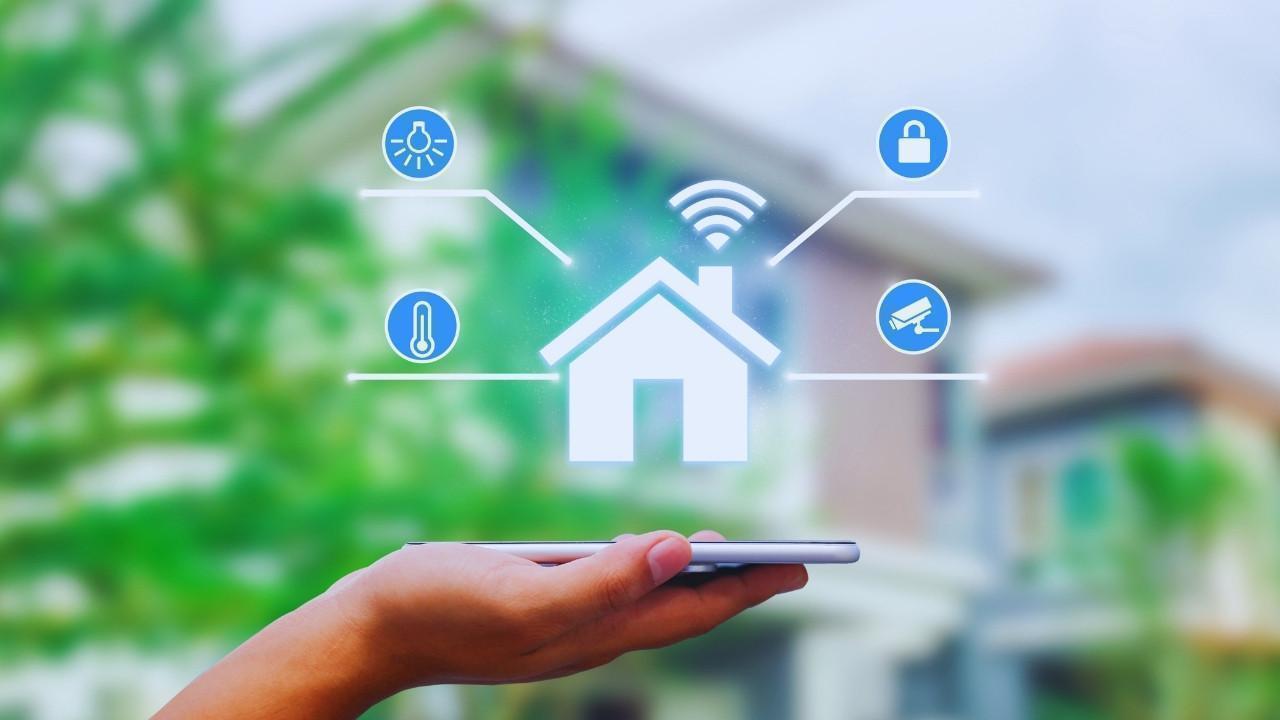
A smart home is a residence equipped with devices that automate tasks traditionally handled by humans. These devices connect to the internet and can be controlled remotely, often via smartphones or voice assistants. The integration of AI allows these devices to learn from user behavior, adapt to preferences, and make decisions without human intervention.
Common smart home devices include:
Smart Thermostats: Adjust heating and cooling based on occupancy and preferences.
Smart Lighting: Automatically turn lights on/off or adjust brightness based on time of day or occupancy.
Smart Security Systems: Include cameras, motion detectors, and smart locks that can be monitored and controlled remotely.
Smart Appliances: Such as refrigerators, ovens, and washing machines that offer enhanced features and remote control capabilities.
AI enables smart homes to learn from user behaviors and preferences, automating daily tasks such as adjusting lighting, temperature, and even grocery ordering. This level of automation not only saves time but also ensures that the home environment is always optimized for comfort and efficiency.
For instance, a smart thermostat can learn your schedule and adjust the temperature accordingly, ensuring your home is always at the desired temperature when you arrive. Similarly, smart lighting systems can adjust brightness based on the time of day or occupancy, providing optimal lighting conditions without manual intervention.
AI-powered systems can monitor energy consumption patterns and make real-time adjustments to reduce wastage. For instance, smart thermostats can learn your schedule and adjust heating or cooling accordingly, leading to significant energy savings and a reduced carbon footprint.
Additionally, smart lighting systems can turn off lights in unoccupied rooms or adjust brightness based on natural light levels, further conserving energy. Over time, these small adjustments can lead to substantial reductions in energy bills and contribute to environmental sustainability.
AI enhances home security through intelligent surveillance systems that can recognize faces, detect unusual activities, and send alerts in real-time. Smart locks and doorbell cameras further bolster security by allowing remote monitoring and control, providing homeowners with peace of mind.
For example, AI-powered cameras can distinguish between familiar faces and strangers, sending alerts only when unfamiliar individuals are detected. This reduces false alarms and ensures that homeowners are promptly notified of potential security threats.
AI can curate personalized experiences by learning individual preferences. Whether it's adjusting lighting to suit the time of day or playing preferred music genres, AI ensures that the home environment aligns with personal tastes and routines.
Smart assistants, such as Amazon Alexa or Google Assistant, can learn your voice commands and preferences, making interactions more seamless and intuitive. Over time, these systems become more adept at anticipating your needs, enhancing the overall living experience.
Some smart home systems integrate health and wellness features, such as sleep tracking, air quality monitoring, and fitness tracking. AI can analyze this data to provide insights and recommendations for improving health and well-being.
For instance, smart beds can monitor sleep patterns and adjust firmness or temperature to optimize sleep quality. Similarly, air purifiers can detect pollutants and allergens, adjusting filtration levels to maintain healthy indoor air quality.
AI-powered smart homes allow homeowners to monitor and control their living spaces remotely. Whether at work or on vacation, you can check security cameras, adjust the thermostat, or turn off lights, ensuring your home is secure and energy-efficient at all times.
This remote access provides peace of mind, knowing that you can address any issues or adjust settings from anywhere in the world.
The integration of AI in smart homes often involves the collection and analysis of personal data. This raises concerns about data privacy and the potential for unauthorized access or misuse of sensitive information. Users must be vigilant about the data they share and ensure that their devices are secure.
For example, smart speakers are always listening for voice commands, which means they are constantly recording audio. While manufacturers claim that this data is anonymized, there is always the potential for breaches or misuse.
Setting up a smart home with AI capabilities can be expensive. The cost of purchasing smart devices, installing necessary infrastructure, and maintaining the system can be a significant investment, which may not be feasible for everyone.
While prices have decreased over time, high-quality smart devices can still be costly. Additionally, integrating these devices into an existing home may require professional installation, adding to the overall expense.
AI-powered smart homes rely heavily on stable internet connections. Any disruption in connectivity can lead to system failures, rendering smart devices ineffective and potentially causing inconvenience.
For instance, if your internet goes down, you may lose access to security cameras, smart locks, or thermostats, leaving your home vulnerable. This dependence on connectivity also raises concerns about the reliability and resilience of smart home systems.
Like any technology, AI systems are susceptible to malfunctions or errors. Bugs in software, compatibility issues between devices, or system crashes can disrupt the seamless operation of a smart home, leading to frustration and potential safety concerns.
For example, a software update might cause a smart lock to malfunction, preventing you from entering your home. Similarly, compatibility issues between devices from different manufacturers can lead to integration problems and reduced functionality.
While automation offers convenience, it can also lead to over-reliance on technology. Homeowners may become accustomed to delegating tasks to AI systems, potentially diminishing personal responsibility and problem-solving skills.
Additionally, children and elderly individuals may become overly dependent on smart devices, leading to challenges in situations where technology fails or is unavailable.
The interconnected nature of smart home devices creates potential vulnerabilities. Hackers can exploit weaknesses in the system to gain unauthorized access, leading to potential breaches of privacy or security.
For instance, a hacker might gain control of a smart camera, allowing them to monitor your home without your knowledge. Similarly, vulnerabilities in smart locks could enable unauthorized entry into your home.
While the integration of AI into smart homes offers numerous benefits, it's essential to weigh these advantages against the potential drawbacks. Homeowners should consider their specific needs, budget, and comfort level with technology before fully embracing smart home systems.
To mitigate potential risks:
Prioritize Security: Regularly update device firmware, use strong passwords, and enable two-factor authentication where possible.
Be Selective: Choose devices that align with your needs and ensure compatibility with existing systems.
Stay Informed: Keep abreast of developments in smart home technology and security practices to make informed decisions.
Living with AI in a smart home offers numerous benefits, from enhanced convenience and energy efficiency to improved security and personalized experiences. However, it's essential to consider the potential drawbacks, including privacy concerns, high costs, and dependence on technology. As AI continues to evolve, addressing these challenges will be crucial in ensuring that smart homes provide a safe, efficient, and enjoyable living environment for all.










Rabada Misses First Australia Test as South Africa Pick Two Spinners
Kagiso Rabada misses the opener as South Africa vs Australia begins, with Anrich Nortje returning an

Starc Compares Australia's Tough Year to McIlroy's Major Sweep
Mitchell Starc says Australia winning three away Test series and the World Cup would match Rory McIl

France’s Sesterce Plans $11 Billion AI Data Centre in Finland
Sesterce plans a $11 billion AI data centre in Finland, with major expansion, green energy plans and

Danaher to Launch AI-Powered Autonomous Research Lab in 2027
Danaher plans an AI research lab for 2027, combining robotics and automation to speed up drug discov

Musk Welcomes German Support for Tesla Driver Assistance Tech as EU Approval Push Continues
Elon Musk welcomes Germany's backing for Tesla FSD as the company seeks EU approval amid speed, safe

Microsoft and Nvidia CEOs to Unveil AI Laptop at San Francisco Event
Microsoft and Nvidia showcase a new AI laptop with RTX Spark chips as they push powerful local AI co