You have not yet added any article to your bookmarks!
Join 10k+ people to get notified about new posts, news and tips.
Do not worry we don't spam!
Post by : Samjeet Ariff
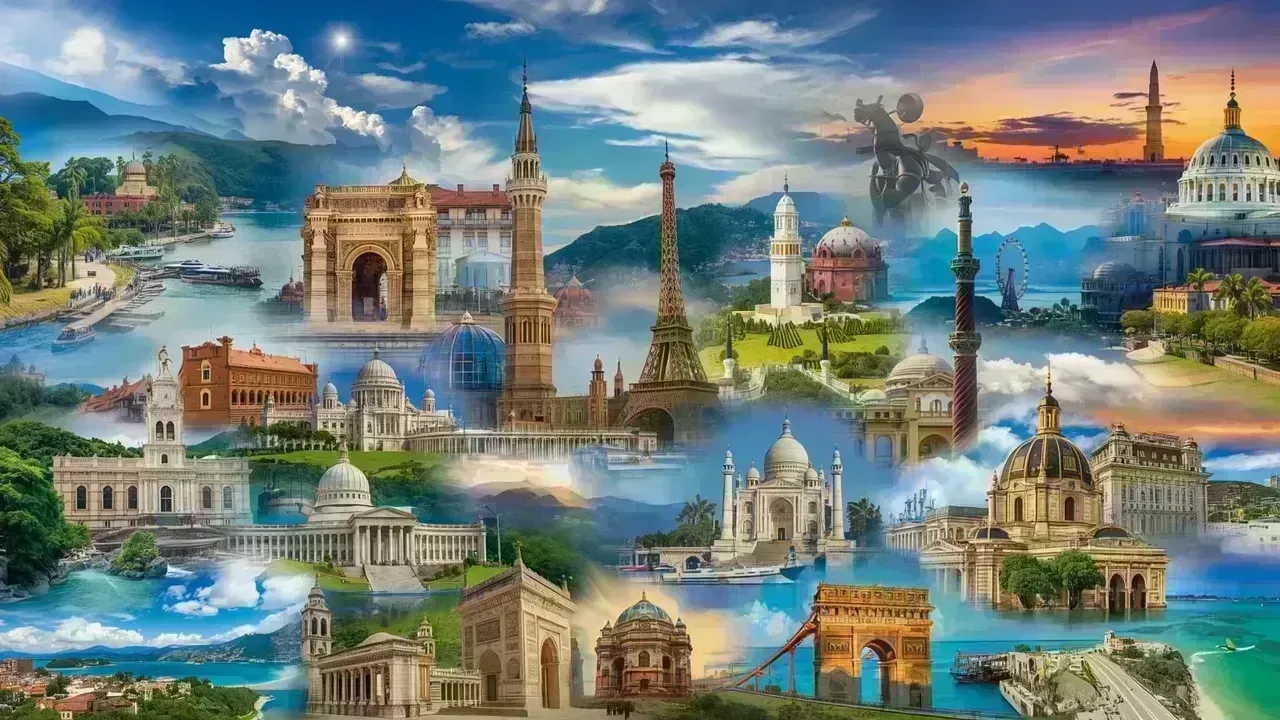
Visa-free travel has traditionally been the best way to explore without heavy costs. No lengthy visa processes, no bureaucratic hurdles—just a plane ticket and a destination. However, as 2026 approaches, a pressing issue has arisen: are these visa-free destinations becoming overcrowded and expensive?
This is no longer a mere discussion point. Travelers now observe soaring hotel rates, congested attractions, and escalating costs in areas that once offered budget-friendly experiences. This article delves into the reasons behind these transformations, examining whether the value is diminishing and how travelers can navigate these changes.
Several factors have contributed to the rise of visa-free countries.
Elimination of visa restrictions opened doors for first-time travelers, young professionals, digital nomads, and families.
The absence of visa fees and documentation made traveling more affordable from the start.
Last-minute trips gained traction, enhancing short-term tourism.
Platforms such as Instagram, YouTube, and travel blogs branded these destinations as "hidden gems," driving demand.
What commenced as a quest for convenience morphed into mass tourism.
The removal of entry barriers has led to a rapid surge in tourist numbers.
Countries that eased visa regulations often saw a boom in tourism that outstripped infrastructure readiness.
Many tourists flock to the same well-known cities, beaches, and landmarks, resulting in overcrowding.
Peak travel seasons result in hotels being fully booked, congested streets, and a general sense of overwhelm.
Overcrowding alters the travel experience significantly.
As demand outpaces supply, prices inevitably escalate.
Hotels and rentals hike their prices during peak periods, often eliminating budget-friendly options first.
High-demand routes for visa-free travel frequently experience fare hikes, especially during holidays.
Restaurants in tourist-heavy areas adjust prices based on foreign spending, affecting affordability.
Expenses for local transport, entry fees, and services also rise.
Thus, visa-free travel doesn’t automatically signify budget options anymore.
Overcrowding concerns extend beyond tourists; residents also feel the effects.
The demand from tourists drives up local rent and food prices.
Genuine experiences give way to tourism-centric services.
Public transport, waste management, and resources struggle under the pressure.
Some locales are now reassessing limitless tourism growth.
Several visa-free spots are already showing signs of overstaturation.
Popular islands and coastal areas face overcrowded beaches and pollution, limiting accommodation options.
Old cities experience tourist numbers that surpass local populations.
National parks and hiking trails endure environmental harm due to excessive visitors.
This poses challenges prompting governments to reconsider tourism policies.
Not necessarily—but traveler expectations must shift.
Prices have risen.
Popular destinations are heavily visited.
Finding authentic experiences has become more challenging.
Easy access.
Flexible itineraries.
Diverse cultures.
Regional connectivity.
Visa-free travel is transforming, not fading.
Social media plays a significant role in driving overcrowding.
A viral video can put a destination on the map in no time.
Tourists tend to follow the same paths, accommodations, and eateries.
Destinations can gain popularity swiftly but lose it just as quickly.
This cycle increases demand without strategic management.
Many nations are tailoring policies for better tourism management.
Some locations have begun to restrict daily visitor numbers in sensitive areas.
New fees have been introduced to control tourist influx and fund infrastructure improvements.
Governments are promoting travel to secondary cities and regions as a means to distribute tourism more evenly.
Such measures focus on balance rather than restriction.
Absolutely—but smart travel strategies are essential.
Visiting during shoulder seasons minimizes both costs and crowds.
Opting for lesser-known locales can offer better value.
Visa-free travel now emphasizes accessibility over merely low costs.
Savvy travelers can still find significant benefits.
Instead of heading for capitals, consider smaller towns that offer a similar cultural vibe.
While weather may differ, prices often drop substantially.
Longer visits frequently cost less than short ones.
Venture beyond trendy locations on social media.
Local diners and lodgings are generally more affordable and provide authentic experiences.
As visa-free locations become oversaturated, many travelers are leaning toward e-visa-friendly countries that still deliver value.
Minimal paperwork controls tourist numbers.
Costs remain relatively stable.
Experiences tend to be less commercialized.
This trend is subtly shifting global travel behaviors.
Visa-free travel isn't poised to vanish; rather, it will evolve.
Prices will likely stabilize at elevated levels.
Stringent regulations may be on the horizon.
Sustainability will gain prominence.
The focus will be on travel quality rather than quantity.
The age of unlimited low-cost travel is shifting towards intentional travel.
It’s still feasible to travel on a budget, though it requires effort.
Dig deeper than the popular blogs.
Compare regions rather than just nations.
Prioritize experiences over ticking off checklists.
Value comfort and time over mere cost.
Astute travelers adapt swiftly to changing trends.
Visa-free travel spots are not necessarily becoming poorer choices; they are simply gaining popularity. Popularity invites crowds and higher costs, but it also enhances infrastructure, security, and international connectivity. The challenge is not just overcrowding—it’s outdated expectations.
Travelers who recalibrate their timing, location selection, and travel style will continue to uncover remarkable value in an increasingly crowded world.
This content is provided solely for informational purposes. Travel expenses, crowd levels, and entry regulations vary by country and season and may change without warning. It's recommended to verify existing travel policies, costs, and local guidelines before planning any international trips.






IMF Says AI Investment Supports Global Growth Despite Energy Shock
IMF says AI investment is supporting global growth near 3%, with Asian economies benefiting from ris

Will O'Rourke Ruled Out of New Zealand's India Series
New Zealand fast bowler Will O'Rourke will miss the India series with hamstring and calf injuries as

AI Companies Expected to Drive Most US Earnings Growth in Q3
AI companies are expected to drive US third-quarter earnings growth as investors assess tech profits

Money Market Funds See Record Inflows as Global Bond Selloff Intensifies
Global money market funds attract $153.81 billion as bond yields rise, inflation fears persist and i

Meta Bans TikTok Ads on Facebook and Instagram in Seven Countries
Meta has banned TikTok ads in seven countries, escalating competition over social media users, adver

ASML and Zeiss Target Next-Generation Chip Technology in 10 Years
ASML and Carl Zeiss are developing Hyper NA technology to print smaller chip circuits, with the next