
You have not yet added any article to your bookmarks!
Join 10k+ people to get notified about new posts, news and tips.
Do not worry we don't spam!
Post by : Mikael Ariff
In recent months, a growing trend has emerged as people from various walks of life start donning small patches on their arms. Known as glucose patches, these devices are rapidly gaining traction as a pivotal health innovation.
Initially dismissed as another fitness accessory, glucose patches play a crucial role in understanding daily bodily functions. Queries arise: Why am I fatigued despite adequate sleep? What makes weight loss challenging? Why does my energy fluctuate throughout the day? These patches offer meaningful insights.
This shift signifies a new desire for personalized health information rather than generic advice, tailored to individual bodies, routines, and lifestyles.
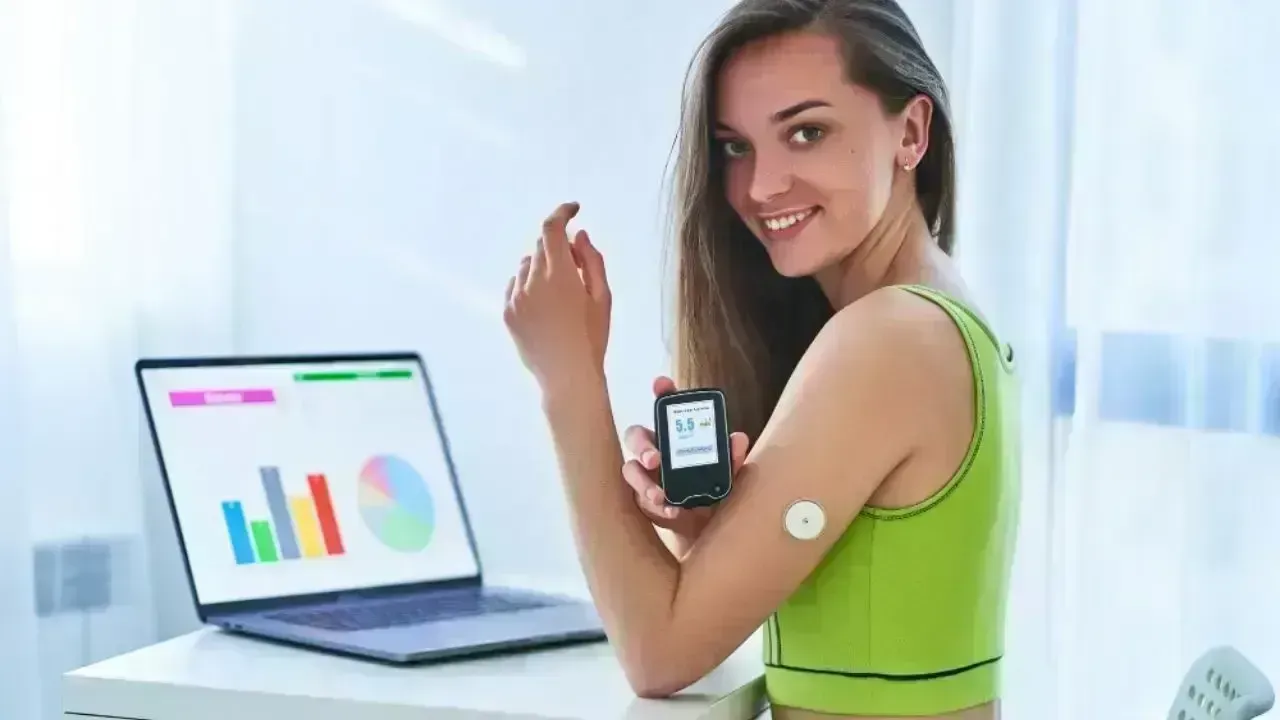
Glucose patches, often referred to as continuous glucose monitors (CGMs), are small devices affixed to the skin, typically on the upper arm or stomach. They continuously track blood sugar levels, providing round-the-clock data.
Differing from traditional blood tests that require finger pricks, glucose patches operate seamlessly, measuring glucose levels from interstitial fluid just beneath the skin and transmitting this data to a mobile application.
These devices enable users to understand how their bodies respond to:
Dietary choices
Physical activities
Quality of sleep
Stress levels
Eating patterns and fasting
Originally designed for diabetics, glucose patches are now embraced by healthy individuals seeking enhanced energy, weight management, and improved daily routines.
A key driver behind this trend is heightened awareness. Many recognize the correlation between weight gain, fatigue, mood variations, and blood sugar instability, affecting even non-diabetics.
Reasons for their growing appeal include:
Real-time body reactions
Insight into food-related fatigue
Managing hunger and cravings
Mitigating sudden energy dips
Users no longer need to rely on guesswork about what forms a healthy lifestyle.
Effective weight loss transcends mere calorie reduction; it hinges on maintaining stable blood sugar levels. Glucose patches enlighten users on which foods spike blood sugar too quickly versus those that maintain steadiness.
Consequences of rapid blood sugar spikes include:
Prompt return of hunger
Increased cravings
Enhanced fat retention
Subsequent energy crashes
Conversely, stable blood sugar levels yield:
Controlled hunger
Extended energy
Enhanced fat-burning capabilities
Balanced mood
By monitoring glucose levels, users gain clarity on:
Foods that trigger sugar surges
Meals that sustain satiety
Optimal eating timings
Role of exercise in fat loss
Ultimately, these insights foster weight loss without extreme dieting or rigid dietary restrictions.
A plethora of athletes and fitness buffs are utilizing glucose patches to optimize training and enhance recovery. Rather than focusing solely on calorie intake, they are now centering their attention on their body's energy utilization.
Glucose patches assist in:
Understanding workout impacts on energy
Preventing energy crashes during sessions
Timing meals appropriately
Facilitating muscle recovery
This represents a smarter and safer approach to fitness.
Many individuals report constant fatigue throughout the day, even after adequate rest. Glucose patches elucidate the underlying causes.
Common energy-lowering factors include:
Sugary meals
Prolonged intervals between meals
Inadequate sleep
Stress levels
Tracking glucose provides insight into precisely when energy drains occur and why, empowering users to:
Adjust meal timings
Minimize sugar consumption
Enhance sleep quality
Prevent sudden fatigue
Consequently, energy levels become steadier throughout the day.
Indeed, glucose patches are generally safe and non-intrusive. They do not penetrate deeply into the skin and are straightforward to wear.
Key considerations include:
They provide data, not medical diagnoses
Results shouldn't instill fear
Serious health concerns require professional attention
Medical advice remains paramount
Glucose patches serve as educational tools rather than replacements for medical professionals.
Several factors contribute to the swift rise of glucose patches:
Increased emphasis on preventive health
Expansion of wearable health tech
Desire for personalized health insights
Social media proliferation
Focus on long-term wellness
People seek to comprehend their bodies before complications arise.
Glucose patches epitomize a novel health paradigm. Rather than adhering to universal principles, individuals are encouraged to follow what suits their unique physiology best.
Future avenues for glucose tracking may encompass:
Averting lifestyle-related diseases
Enhancing weight management
Bolstering focus and mood
Cultivating healthy habits
This new methodology leans towards balance instead of strict extremes.
Potential beneficiaries of glucose patches include:
Individuals striving for weight loss
Those experiencing low energy
Fitness advocates
Curious food consumers
Anyone invested in long-term wellness
People with existing medical conditions should first consult a healthcare provider.
Glucose patches signify more than a fleeting fad; they are reshaping perceptions of bodily awareness. By clarifying the effects of diet, sleep, and stress on energy and weight, these clever devices empower informed daily decisions.
Weight management and vitality are evolving beyond rigid protocols, evolving towards mindfulness and equilibrium. Glucose patches optimally cultivate personal connection to bodily signals.
As technology advances, glucose patches could soon become integral to everyday life, aiding individuals in remaining energetic, healthy, and well-informed.
This article is intended exclusively for general awareness and informational purposes. It is not intended to serve as medical advice or diagnosis. Glucose patches are tools for wellness and must not replace professional medical care. Experiences and results may differ among individuals. Those with diabetes, pre-existing conditions, or health concerns should consult a qualified healthcare professional prior to using glucose monitoring devices or implementing significant lifestyle changes.










AI Companies Expected to Drive Most US Earnings Growth in Q3
AI companies are expected to drive US third-quarter earnings growth as investors assess tech profits

Money Market Funds See Record Inflows as Global Bond Selloff Intensifies
Global money market funds attract $153.81 billion as bond yields rise, inflation fears persist and i

Meta Bans TikTok Ads on Facebook and Instagram in Seven Countries
Meta has banned TikTok ads in seven countries, escalating competition over social media users, adver

ASML and Zeiss Target Next-Generation Chip Technology in 10 Years
ASML and Carl Zeiss are developing Hyper NA technology to print smaller chip circuits, with the next

Rabada Misses First Australia Test as South Africa Pick Two Spinners
Kagiso Rabada misses the opener as South Africa vs Australia begins, with Anrich Nortje returning an

Starc Compares Australia's Tough Year to McIlroy's Major Sweep
Mitchell Starc says Australia winning three away Test series and the World Cup would match Rory McIl

