
You have not yet added any article to your bookmarks!
Join 10k+ people to get notified about new posts, news and tips.
Do not worry we don't spam!
Post by : Laxmi Verma
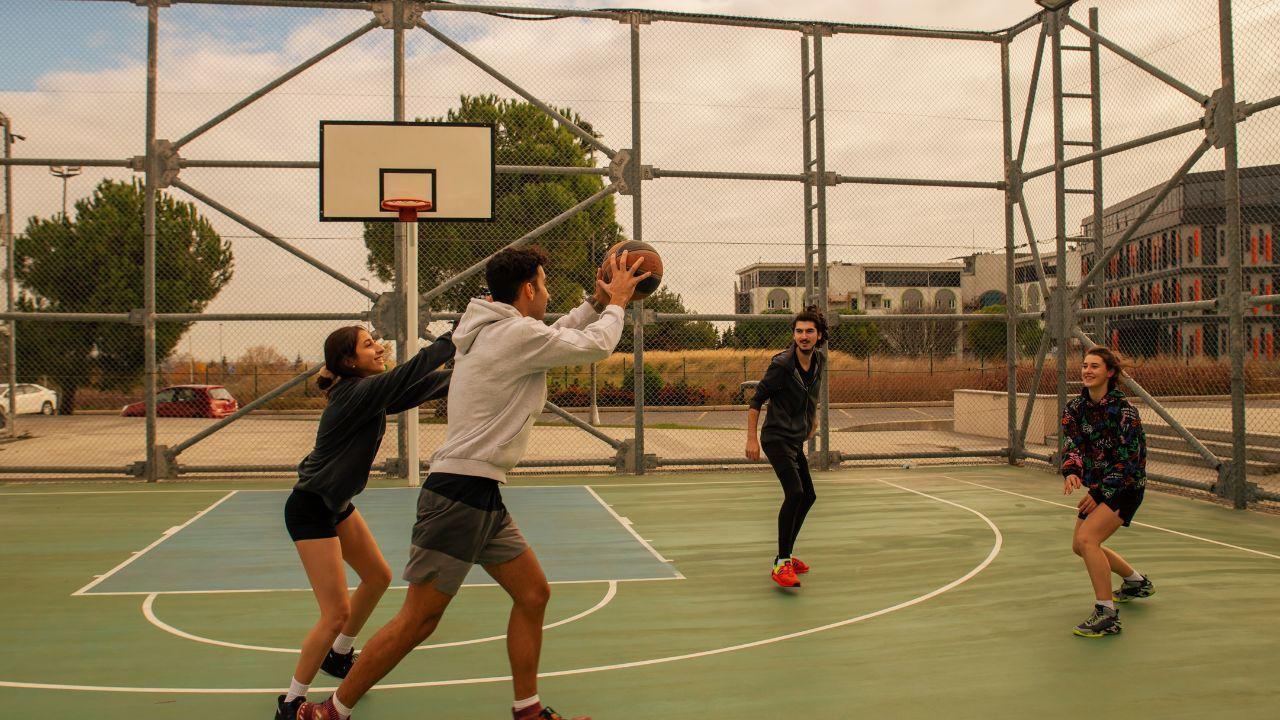
In a time when the world feels increasingly divided—by politics, technology, and social pressures—few things have the power to bring people together like sports. Whether it's a local soccer game, a school basketball tournament, or an international event like the Olympics, sports have a unique ability to unite individuals across cultures, generations, and economic backgrounds. The role of sports in building stronger communities goes far beyond entertainment; it fosters inclusion, encourages youth development, and promotes overall well-being.
Let’s explore how sports help shape healthier, more connected, and more resilient communities.
One of the most powerful aspects of the role of sports in building stronger communities is its ability to create a sense of unity. Sports provide a common language—regardless of age, race, religion, or background. When people cheer for the same team, compete in the same league, or volunteer at the same sporting event, barriers break down.
In local neighborhoods, community sports leagues bring together people from diverse walks of life. Shared goals and team spirit create bonds that often carry over into friendships, business partnerships, or broader community cooperation.
Sports play a crucial role in shaping the lives of young people. From learning discipline and teamwork to gaining confidence and leadership skills, athletic programs provide structure and mentorship for youth.
Community sports programs offer a safe environment for kids to:
In underserved communities, sports can be a powerful tool for youth empowerment, offering alternatives to violence, drugs, or negative influences.
Inclusivity is another key part of the role of sports in building stronger communities. Sports can bridge gaps and provide a platform for marginalized groups to participate and feel seen.
This includes:
Inclusive sports programs promote equality, challenge stereotypes, and celebrate diversity. When everyone has the opportunity to participate, communities become more just and cohesive.
Community well-being is directly tied to the physical and mental health of its members. Sports encourage a healthier lifestyle by promoting regular exercise, which helps reduce obesity, stress, and the risk of chronic diseases.
Additionally, participation in sports improves mental health by:
When a community is physically and mentally healthier, it’s better positioned to thrive economically, socially, and emotionally.
Many community sports programs rely on volunteers—coaches, referees, event organizers, and supporters. Getting involved in these roles increases civic pride and responsibility.
Volunteers not only help run successful sports programs but also:
This ripple effect of involvement contributes greatly to the role of sports in building stronger communities by nurturing a culture of shared responsibility.
Sports can also have a positive economic impact on communities. Local tournaments, leagues, and fitness events attract attendees who support local businesses like restaurants, shops, and hotels.
In some areas, investment in sports infrastructure—like parks, courts, and gyms—leads to increased tourism, job creation, and economic growth. Sports development becomes a catalyst for urban renewal and long-term prosperity.
History has shown that sports can play a key role in peacebuilding. Organized sports have been used in conflict zones and post-war societies to help heal divisions and promote understanding.
On a local level, sports can reduce tensions between rival groups or neighborhoods, using healthy competition to replace conflict with cooperation. By channeling emotions into positive engagement, sports help build bridges instead of walls.
This article is intended for informational and educational purposes only. The views expressed are general in nature and may not apply to all regions, communities, or individuals. Readers are encouraged to consider the unique dynamics of their own communities when applying any suggestions or conclusions. Participation in sports should always be approached with proper guidance, safety, and health considerations in mind.




Google Signs 3.6-GW Power Deal With Constellation Energy in US
Google signs a 3.6-GW power deal with Constellation Energy, including nuclear power upgrades to supp

Harmanpreet Kaur Steps Down as India Captain Across All Formats
Harmanpreet Kaur steps down as India captain across all formats after a remarkable leadership journe
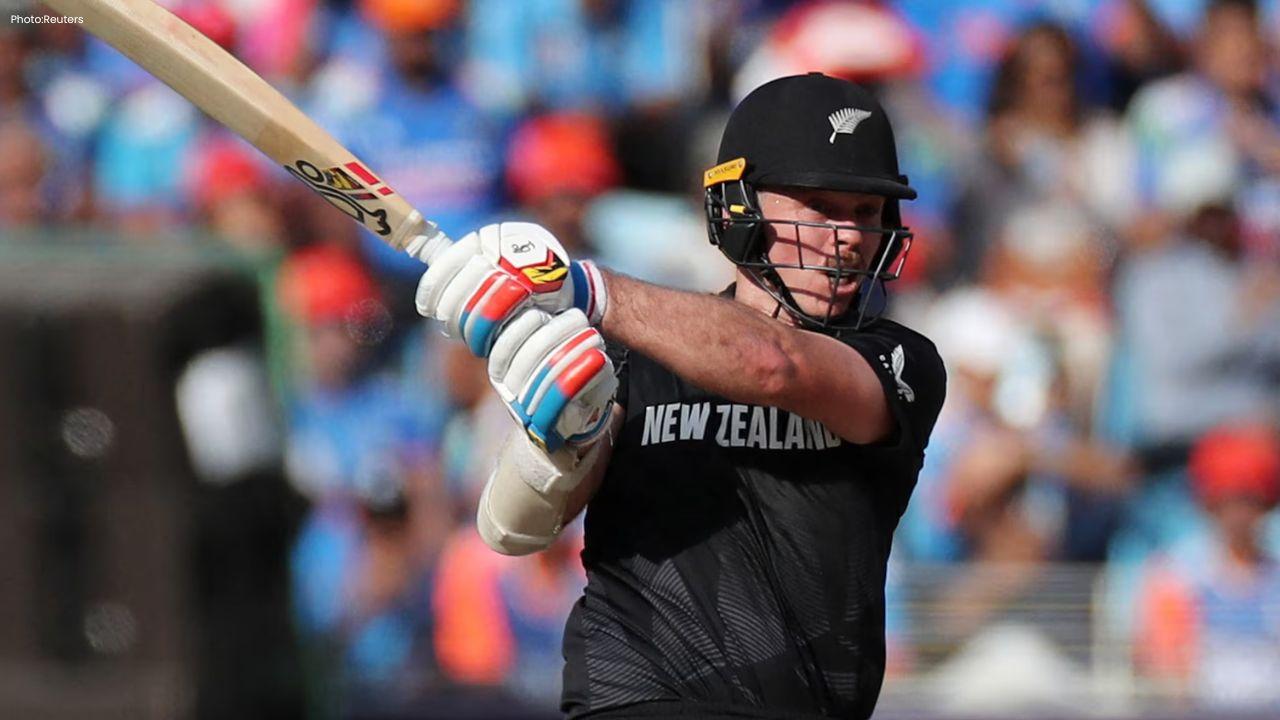
Michael Bracewell Chooses Casual Contract, Targets BBL Opportunity
Michael Bracewell moves to a casual contract as he eyes a BBL opportunity while remaining available
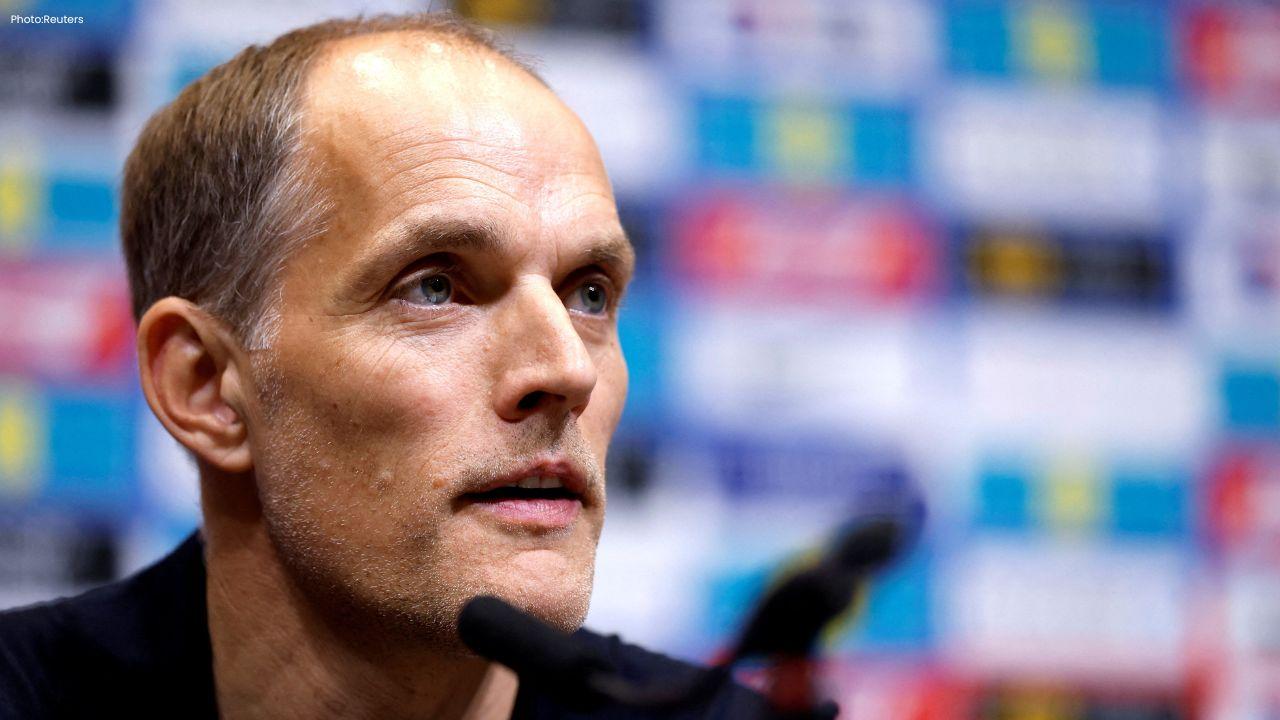
Tuchel Says Alex Scott Can Challenge Declan Rice for England Midfield Spot
Thomas Tuchel says Alex Scott can challenge Declan Rice for an England midfield place after his impr
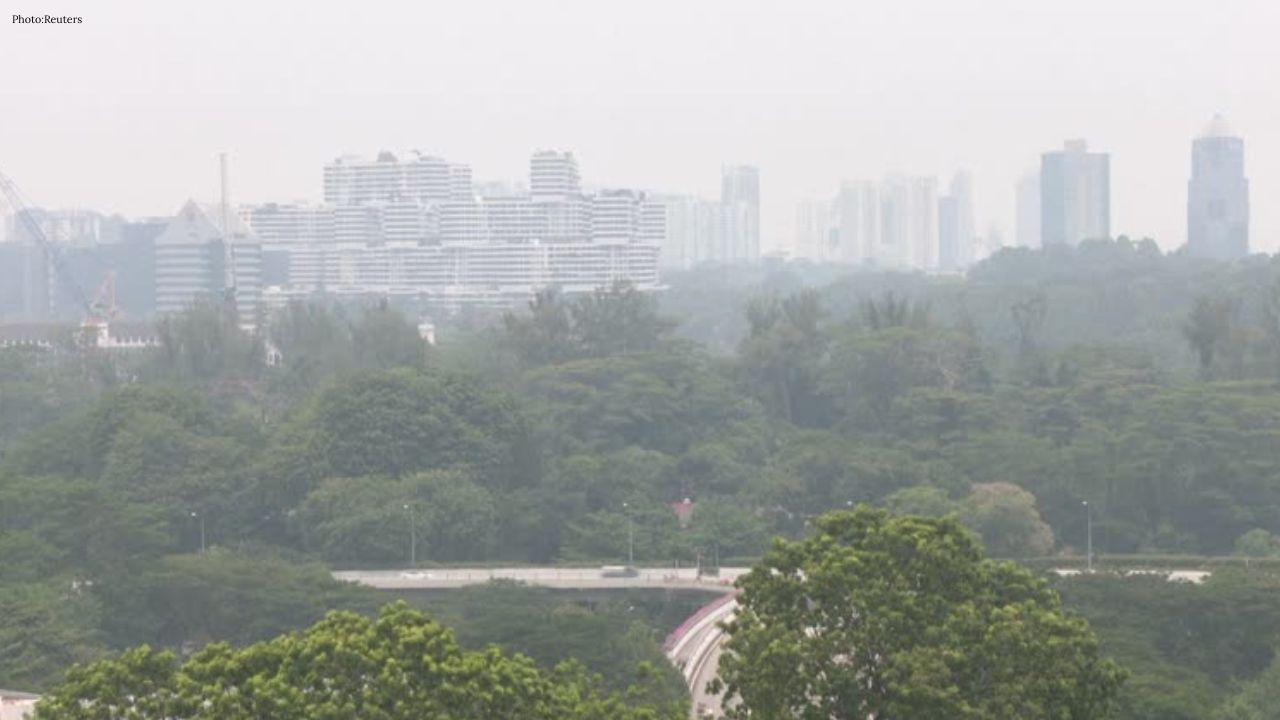
Air Quality Turns Unhealthy in Central and Western Singapore Amid Haze
Singapore haze pushes PSI above 100 in central and western areas as smoke from regional hotspots rai

PM Modi Pays Tribute to Mahatma Gandhi, Urges People to Support Khadi
PM Modi pays tribute to Mahatma Gandhi on Gandhi Jayanti and urges citizens to support Khadi and the

