
You have not yet added any article to your bookmarks!
Join 10k+ people to get notified about new posts, news and tips.
Do not worry we don't spam!
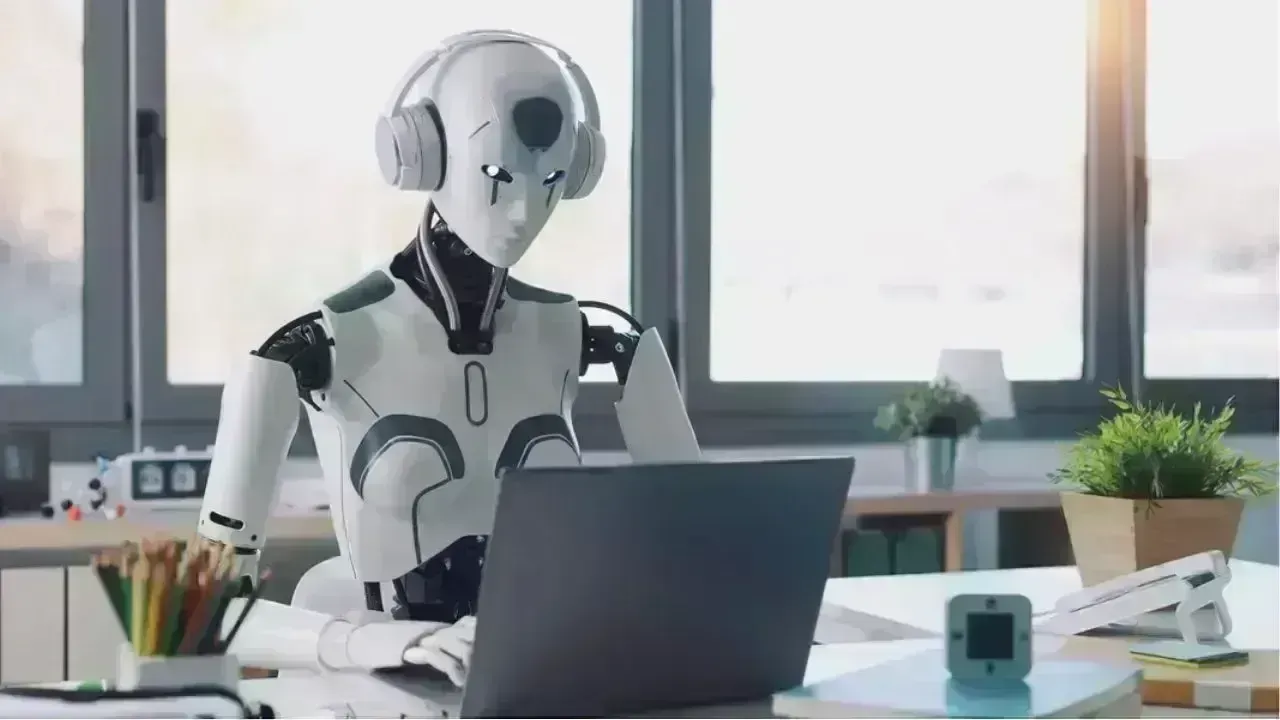
Post by : Anis Farhan
Across industries, a common uneasiness now hangs in the air. People still go to work, attend meetings, and hit deadlines, but beneath routine lies a growing question—how long will this job still exist? Artificial Intelligence no longer feels like science fiction. It responds to emails, produces images, translates languages, and handles customer support. What once looked impressive now looks threatening.
Unlike earlier technological shifts that targeted factory jobs first, this wave has entered offices directly. Accountants, writers, designers, analysts and administrators are now wondering whether algorithms will eventually outpace them. The concern is not imaginary. Automation is real. Hiring patterns are changing. Job descriptions are shrinking or merging. The workforce is being reshaped.
Yet not all professions face the same risk. Some roles remain deeply human, not because technology is weak, but because humanity itself is complex.
Artificial Intelligence works best where instructions are clear and outcomes predictable. When work follows patterns, machines thrive. When work depends on understanding human emotion, interpreting subtle behaviour, or responding to chaos, technology struggles.
Tasks that are easily automated usually share these traits: they involve repetition, fixed rules, structured data, and limited emotional interaction. By contrast, jobs that demand creativity, judgment, emotional intelligence, and ethical reasoning are harder to digitise.
Understanding this difference helps workers identify which roles are more exposed and which are likely to survive automation.
Medicine is surrounded by technology, but it is not ruled by it. Artificial Intelligence can assist with detection, diagnosis and data processing, but it cannot replace the human relationship between patient and caregiver.
A doctor does more than examine reports. A doctor listens, reassures, interprets fear and uncertainty, delivers difficult news and adapts care to individual life circumstances. Nurses do more than administer medicine. They observe emotional changes, recognise silent pain and offer comfort in ways no machine can replicate.
Health decisions are not purely analytical. They involve ethics, compassion and accountability. When lives are at stake, people still trust people.
Teaching is not content delivery alone. It is emotional connection, encouragement, mentorship and understanding how a child or student learns. Artificial Intelligence may explain concepts, but it cannot inspire, discipline kindly, or notice the emotional shifts that affect learning.
Teachers identify insecurity before test results reveal it. They motivate students who doubt themselves and challenge those who are capable of more. Education shapes character, not just careers, and doing that requires a human presence.
Technology may sit in classrooms, but teachers still guide them.
AI can produce content, but creation is not the same as imagination. Tools can generate images, music or text based on patterns, but human creativity begins with emotion, lived experience and original thought.
Artists draw from pain, love, politics, culture and memory. Writers interpret society, not just language. Filmmakers tell stories that explore identity and conflict. Designers build for feelings, not just function.
Machines replicate styles. Humans originate them.
Creativity is not about assembling elements efficiently. It is about expressing what cannot be calculated.
No software can replace leadership.
Leaders resolve conflict, motivate teams, handle crises and take responsibility when things fail. They make decisions under pressure, balance limitations, and manage personalities. Technology can advise. It cannot lead.
Management requires trust, not instructions. Teams follow people, not systems. Strategy involves vision, risk appetite, moral reasoning and experience.
You cannot automate accountability.
When decisions hurt, people still need to face people.
Mental health work is deeply personal. Therapists do more than listen to words. They interpret silence. They understand emotional withdrawal. They respond to body language and tone.
No program can replace empathy. No machine can genuinely care.
People do not speak to counsellors for solutions alone. They seek connection. Validation. Understanding.
Emotional pain does not heal through code.
It heals through presence.
All five sectors share one quality: emotional complexity.
They involve:
Ethics
Trust
Creativity
Unpredictability
Responsibility
Human connection
Artificial Intelligence struggles where outcomes depend on culture, psychology and experience rather than logic and repetition.
The more human a role is, the safer it remains.
No job is immune from change.
Even secure roles evolve.
Doctors use AI tools. Teachers adopt digital learning. Creatives work with software. Leaders rely on data.
But survival does not mean resisting technology.
It means working with it.
Human workers who understand AI remain valuable.
Those who refuse it become vulnerable.
The future does not eliminate workers.
It transforms them.
Adaptability is now a survival skill.
People should:
Learn new tools
Understand technology
Improve communication
Build emotional intelligence
Develop leadership
Strengthen creativity
AI cannot outgrow someone who keeps learning.
Security in the modern world comes from motion, not position.
The better question is:
“Will I adapt faster than technology changes?”
Progress does not pause.
Neither can careers.
Those who remain curious remain relevant.
Those who fear change lose power.
Technology is powerful.
But people remain irreplaceable.
Jobs that depend on emotion, imagination, ethics and leadership will continue to exist because machines do not understand what it means to be human.
AI may assist.
It may accelerate.
But it cannot replace the core of human work.
The future will belong not to the smartest machines…
But to the smartest people working alongside them.
DISCLAIMER
This article is for informational purposes only and does not constitute career guidance or professional advice. Job trends may vary by region and industry. Readers are encouraged to consult career counsellors and industry experts for personalised guidance.








Jacob Bethell Returns as England Name Squads for Australia Tour
England name ODI and T20 squads for the Australia tour, with Jacob Bethell returning from injury and

Beauden Barrett Opens Up About Mental Struggles During All Blacks Exile
Beauden Barrett discusses his confidence struggles after missing six tests, his return against Austr
IMF Says AI Investment Supports Global Growth Despite Energy Shock
IMF says AI investment is supporting global growth near 3%, with Asian economies benefiting from ris

Will O'Rourke Ruled Out of New Zealand's India Series
New Zealand fast bowler Will O'Rourke will miss the India series with hamstring and calf injuries as

AI Companies Expected to Drive Most US Earnings Growth in Q3
AI companies are expected to drive US third-quarter earnings growth as investors assess tech profits

Money Market Funds See Record Inflows as Global Bond Selloff Intensifies
Global money market funds attract $153.81 billion as bond yields rise, inflation fears persist and i

