You have not yet added any article to your bookmarks!
Join 10k+ people to get notified about new posts, news and tips.
Do not worry we don't spam!
Post by : Anis Farhan
Cuba is enforcing stringent emergency measures nationwide after its fuel supplies dwindled sharply, a situation officials and residents attribute to mounting pressure from the United States that has effectively cut off key sources of imported oil. The extensive energy crisis has prompted dramatic changes to everyday life on the Caribbean island, affecting transport, industry, electricity availability and basic services, while intensifying economic strain on its 9.6 million people.
Amid the rapidly deteriorating fuel situation, the Cuban government has introduced rationing policies, shortened work weeks, reduced public transport and temporarily suspended various non-essential activities. The emergency measures are aimed at protecting essential services such as food and water distribution, healthcare operations and electricity generation for critical infrastructure.
The crisis stems from what Havana describes as U.S. economic pressure — including sanctions and trade restrictions — that has severed Cuba’s access to reliable external fuel supplies, particularly from longtime partners like Venezuela and Mexico. Cuba has not received imported oil in weeks, leaving domestic reserves depleted.
As a result, the government has issued directives prioritising the allocation of remaining fuel to essential services and production sectors capable of generating foreign exchange. Non-essential sectors have seen significant cuts or outright suspension of operations. Schools have shifted to reduced hours or remote instruction, and some universities have curtailed in-person learning.
The energy shortfall has exacerbated broader economic difficulties on the island, where decades-long U.S. sanctions have already contributed to limited industrial growth and supply chain disruptions. Cuba’s economy was already under pressure from declining tourism revenues and inflation, and the fuel crisis has intensified these challenges.
The fuel shortage has profoundly affected transport. Bus and rail services have been scaled back or suspended in several provinces as authorities limit fuel usage to essential purposes, leaving commuters with fewer options and longer wait times. Public transport disruptions have pushed taxi and private transport fares higher in Havana and other major cities.
Many residents have reported quiet streets and a significant decline in traffic due to the scarcity of petrol and diesel. Gas stations have implemented strict rationing, and private vehicle owners are often required to enter online queues to receive limited allocations.
In several provinces, rolling power outages have become frequent, threatening food storage systems and household routines as the country struggles to supply electricity with limited fuel reserves. Officials have indicated that electricity conservation remains a central focus of emergency planning.
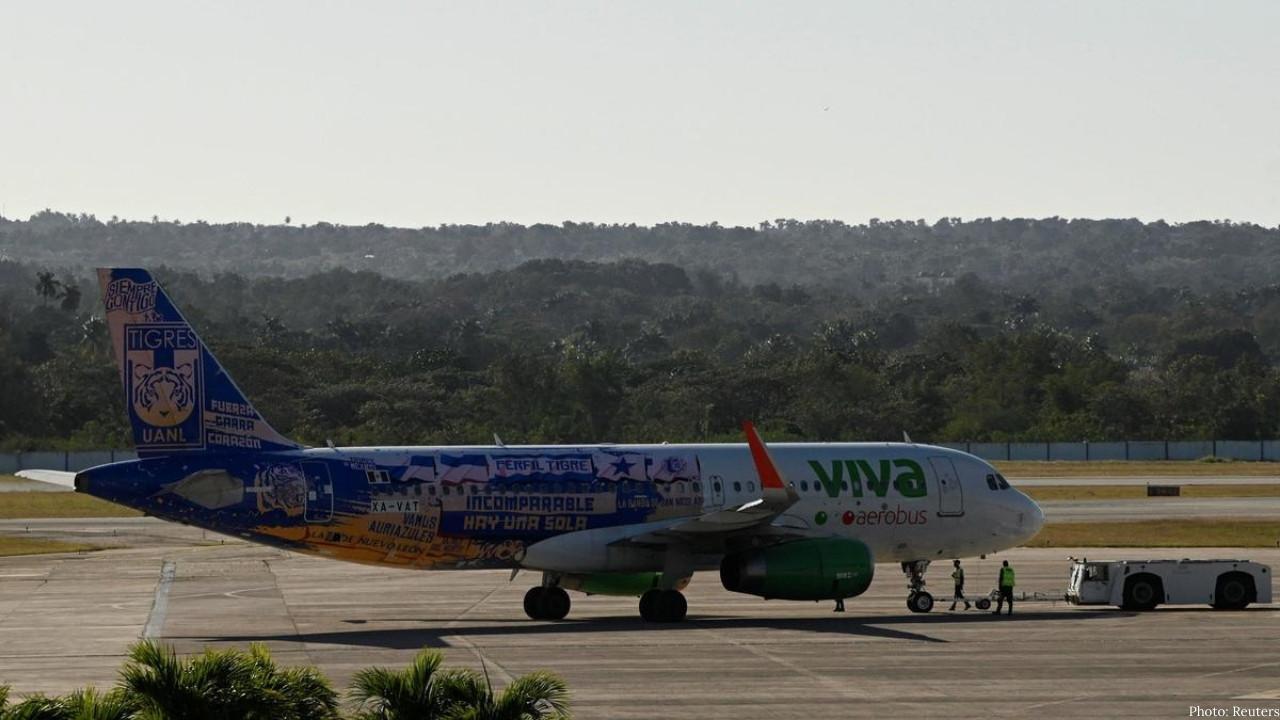
In parallel with ground transport disruptions, international air travel has been directly impacted by the jet fuel shortage. Cuban authorities have notified international airlines that fuel for aircraft refuelling will not be available for weeks, a situation expected to persist until at least March 11.
The lack of aviation fuel has already prompted major carriers to suspend flights to and from Cuba, with Air Canada cancelling all operations to the island and other international airlines planning technical stops in nearby countries to refuel. This disruption comes at the height of the peak travel season and threatens a further decline in tourism — one of Cuba’s primary sources of foreign currency.
Cuba’s tourism sector has been buffeted by previous downturns and the current fuel crisis risks exacerbating employment losses and financial instability among businesses dependent on international visitors.
Deputy Prime Minister Óscar Pérez-Oliva Fraga has outlined the government’s strategy for navigating the crisis, emphasising that emergency measures are designed to sustain essential services and economic activities capable of generating revenue. These include food production, electricity provision, water supply systems and national defence obligations.
Additional steps include postponing non-essential activities and concentrating administrative work into shorter work weeks to conserve energy. Officials have also announced plans to accelerate domestic oil production where possible and expand renewable energy efforts, including solar capacity, as part of a long-term response plan.
President Miguel Díaz-Canel has publicly criticised the escalation of U.S. pressure while reiterating Cuba’s willingness to engage in dialogue, albeit “on its own terms and without interference in internal affairs,” a stance reflecting long-standing tensions with Washington.
The current crisis has unfolded against the backdrop of heightened U.S. sanctions targeting Cuba’s fuel supply. Recent measures by the U.S. administration include blocking Venezuelan oil shipments — historically Cuba’s main fuel source — and threatening tariffs on countries that continue to send fuel to the island. These actions have placed increased strain on Havana’s ability to sustain even basic energy needs.
In response, international actors such as Russia have criticised U.S. tactics and pledged support for Cuba, with officials condemning the sanctions as efforts to “suffocate” the island’s economy and reaffirming diplomatic and material cooperation.
Mexico has also entered the discussion, denouncing the punitive measures against Cuba while cautiously pursuing diplomatic avenues to resume oil shipments without incurring U.S. tariffs — a complex negotiation given Mexico’s trade reliance on its northern neighbour.
The fuel crisis has broader social implications beyond energy and transportation. Hospitals and medical facilities have reported shortages of critical supplies, as fuel scarcity affects the delivery and operation of health services, including emergency procedures and routine care.
Food production and distribution systems have also been disrupted, compounding challenges for families already facing shortages of staples and rising prices. School closures and the suspension of cultural and social events underscore the pervasive impact of the emergency measures on Cuban life.
Many Cubans have likened the current crisis to the “Special Period” of the 1990s, a devastating economic downturn that followed the collapse of Soviet support, characterised by prolonged shortages of fuel, food and basic goods. That historical memory looms large as citizens confront similar hardships and uncertainty about the future.
Among everyday Cubans, reactions to the situation range from frustration and anxiety to weary resilience. Long queues for limited fuel allocations, dwindling public services and rolling outages have heightened public concern over how long the crisis can persist without deeper economic and social consequences.
Some residents express unease about the political and economic strategies pursued by the government, while others blame external pressure and the decades-long U.S. embargo for exacerbating chronic shortages. The combination of domestic hardship and external tensions has fuelled debate over both the short-term response and long-term strategies to rebuild stability.
Analysts warn that unless fuel supplies are restored and energy systems stabilised, Cuba’s economic upheaval may deepen further in the months ahead. The crisis threatens to undermine key sectors, imperil public services and strain social cohesion as the government grapples with shortages and efforts to cushion essential functions.
Diplomatic engagements between Havana and international partners — whether with Washington, Mexico, Russia or other stakeholders — could shape future outcomes, but meaningful progress remains uncertain amid competing geopolitical interests and economic realities.
Disclaimer:
This article synthesises reporting from multiple verified sources on the evolving energy crisis in Cuba and its economic, social and diplomatic ramifications. Situational details are subject to change as events continue to develop.




George Russell Wins Dutch GP Sprint, Boosts Mercedes Morale
George Russell wins the Dutch GP Sprint from pole as Mercedes teammate Kimi Antonelli extends his F1

Australia 50/3 After Bangladesh Bowled Out for 64 in Second Test
Australia reached 50/3 after Bangladesh were bowled out for 64 in the second Test, with Mitchell Sta

Jordan Burroughs Returns to Wrestling with 2028 Olympic Dream
Jordan Burroughs returns to wrestling with Real American Freestyle as the Olympic champion eyes a po
Lamborghini Catches Fire on Singapore's ECP, Causing Heavy Traffic
A Lamborghini caught fire on Singapore's ECP, causing heavy traffic and bus delays. No injuries were

Bangkok Airport Duty-Free Area Flooded by Pipe Burst
A burst water pipe flooded the duty-free shopping area at Bangkok's Suvarnabhumi Airport on July 16,
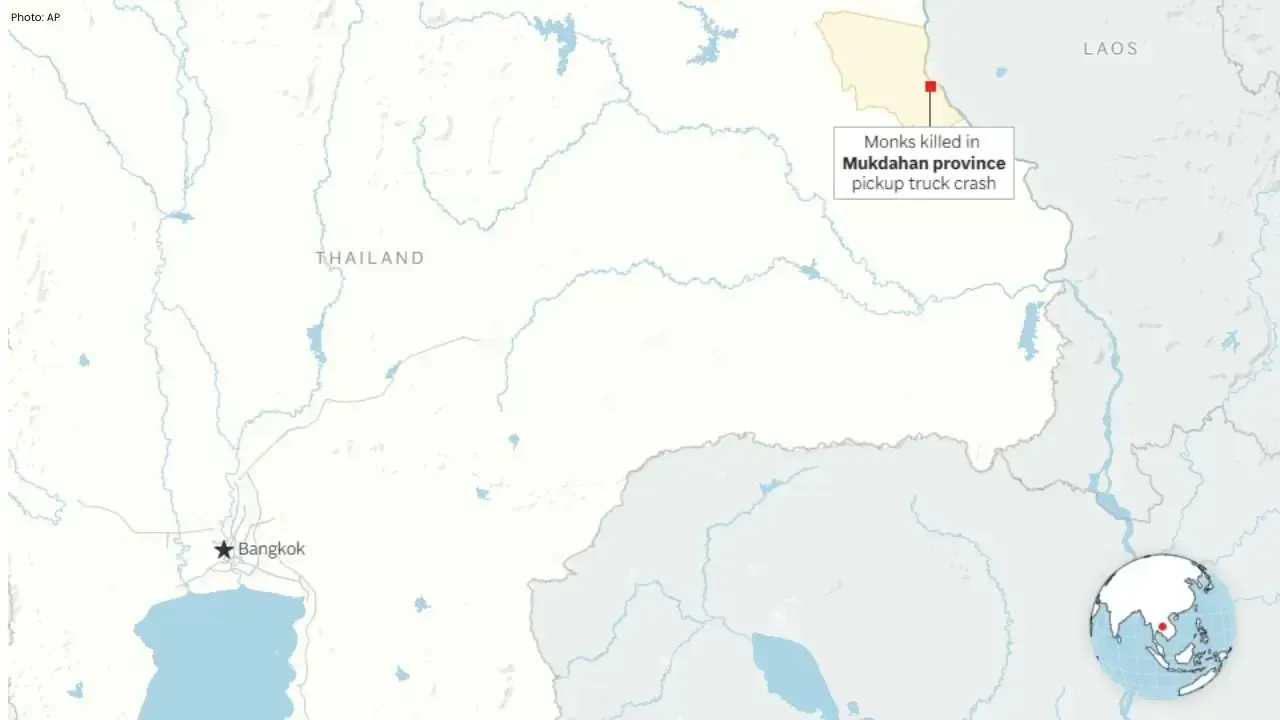
Nine Monks Killed in Thailand Pickup Truck Tragedy
An 11-year-old boy driving a pickup truck crashed into monks during a pilgrimage in northeastern Tha