
You have not yet added any article to your bookmarks!
Join 10k+ people to get notified about new posts, news and tips.
Do not worry we don't spam!

Post by : Saif Rahman
AI firm Anthropic has voiced significant concerns regarding the escalating cybersecurity risks associated with advanced AI technologies after vulnerabilities were discovered during the testing of its internal project, Mythos.
Recently, the company shared its insights with the Financial Stability Board, a global body that scrutinizes risks affecting the financial landscape. Reports indicate that Anthropic cautioned that the rapidly evolving nature of AI technology could pose severe risks for banks, financial entities, and digital infrastructures if rigorous safety measures aren’t implemented.
This warning emerges as the utilization of artificial intelligence becomes more prevalent in the realms of global commerce and finance. Numerous banks and organizations are relying on AI solutions for various functions such as customer support, fraud prevention, market evaluation, online safeguards, and financial strategies.
However, experts assert that advanced AI systems may introduce new threats if hackers latch onto potential vulnerabilities within these frameworks.
It has been suggested that the Mythos initiative revealed distinct cybersecurity weaknesses during its internal evaluations. Though specific technical details remain undisclosed, the implications seem grave enough for Anthropic to proactively reach out to international regulators.
Cybersecurity has escalated into a paramount concern globally. Governments, financial institutions, and tech companies are encountering relentless threats from cyberattacks aimed at financial infrastructures, personal data, and digital environments.
Proponents note that AI technologies could intensify cyber threats in the foreseeable future. AI-driven systems might empower hackers to automate scams, fabricate deceptive content, penetrate security barriers, or disseminate misinformation with greater efficiency.
Conversely, AI also serves as a bulwark for companies enhancing their digital security. Numerous organizations are leveraging AI to detect anomalous behavior, swiftly identify threats, and bolster defenses against fraud and cyber incursions.
This scenario has initiated a tech rivalry where both cybersecurity professionals and cybercriminals increasingly deploy advanced AI instruments.
The revelation has reignited discussions on the regulation and safety of AI systems. Governments worldwide are contemplating how to oversee potent AI technologies without stifling innovation and technological advancement.
Advocates for stricter regulations argue that tech firms must meticulously validate AI solutions before broad implementation. They contend that global collaboration is essential to mitigate risks associated with artificial intelligence.
Opponents maintain that excessively restrictive regulations could hinder progress and dampen competition within the rapidly evolving AI landscape.
Financial overseers are particularly anxious, given that modern banking heavily relies on digital systems. A significant cyber incident involving AI frameworks might disrupt markets, banking processes, payment interfaces, and consumer data across nations.
This scenario emphasizes that artificial intelligence is no longer just a technical matter. Its development influences finance, national defense, international trade, and public safety.
For everyday individuals, these intricate issues may seem abstract, yet they bear direct consequences on online banking, digital transactions, personal data, and financial integrity.
As AI continues to evolve in capability, experts advocate for enhanced collaboration among governments, regulators, and tech firms to ensure safety while fostering future innovations.
#Artificial Intelligence News #AI Technology #Artificial Intelligence





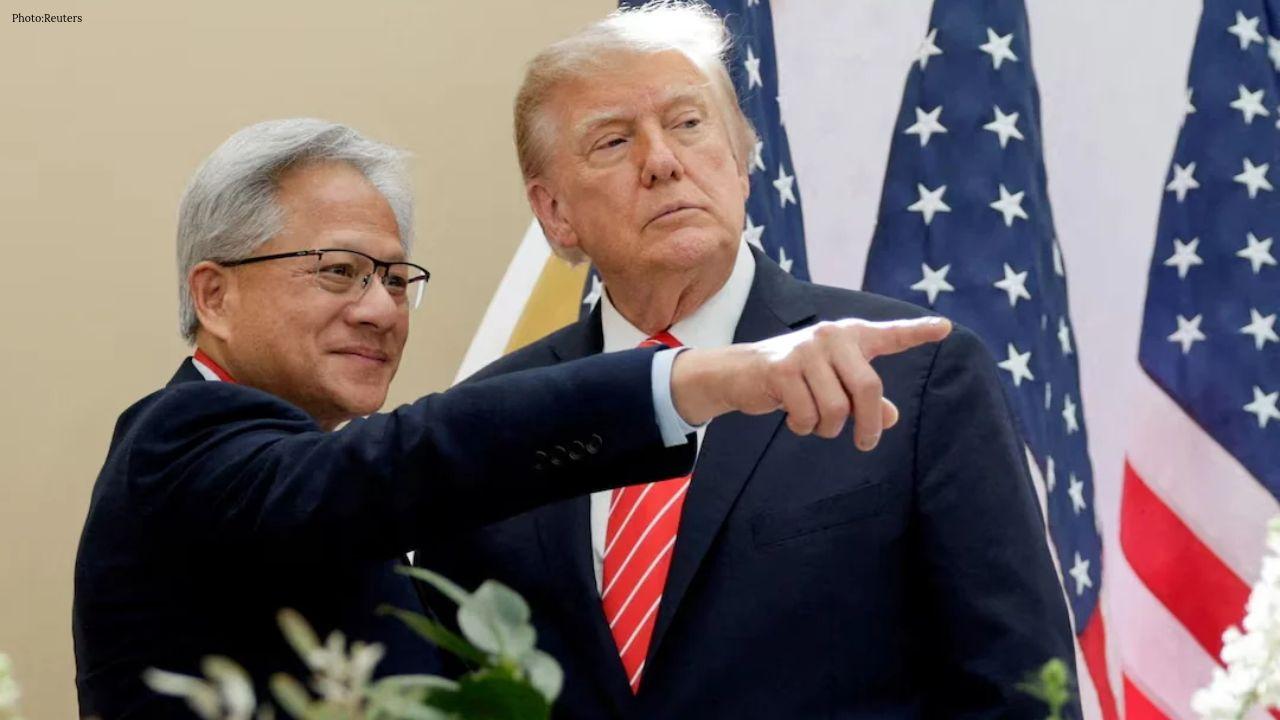




APEC Members Emphasise Safe and Responsible Use of Artificial Intelligence
APEC members discuss responsible AI use, digital innovation and data governance as China and the US

Union of European Clubs Challenge UEFA and EFC Over EU Competition Rules
UEC files an EU competition complaint against UEFA and EFC, challenging club representation, governa

Mohammed Shami Retires From Test Cricket, Eyes White-Ball Career
Mohammed Shami retires from Test cricket after 13 years, with 229 wickets. He will continue playing

Singapore Warns Users About Privacy and Security Risks of AI Agents
Singapore warns users about AI agent security risks, data privacy, online scams and unauthorised acc

Chris Lynn Completes One-Month Ban After Positive Cocaine Test
Australian cricketer Chris Lynn completes a one-month ban after a positive cocaine test during the T

Djokovic Eyes Strong Season Finish as Health Improves Ahead of Paris Masters
Novak Djokovic reports improved health and performance as he targets a strong Paris Masters finish a