You have not yet added any article to your bookmarks!
Join 10k+ people to get notified about new posts, news and tips.
Do not worry we don't spam!
Post by : Rohit Dhiman
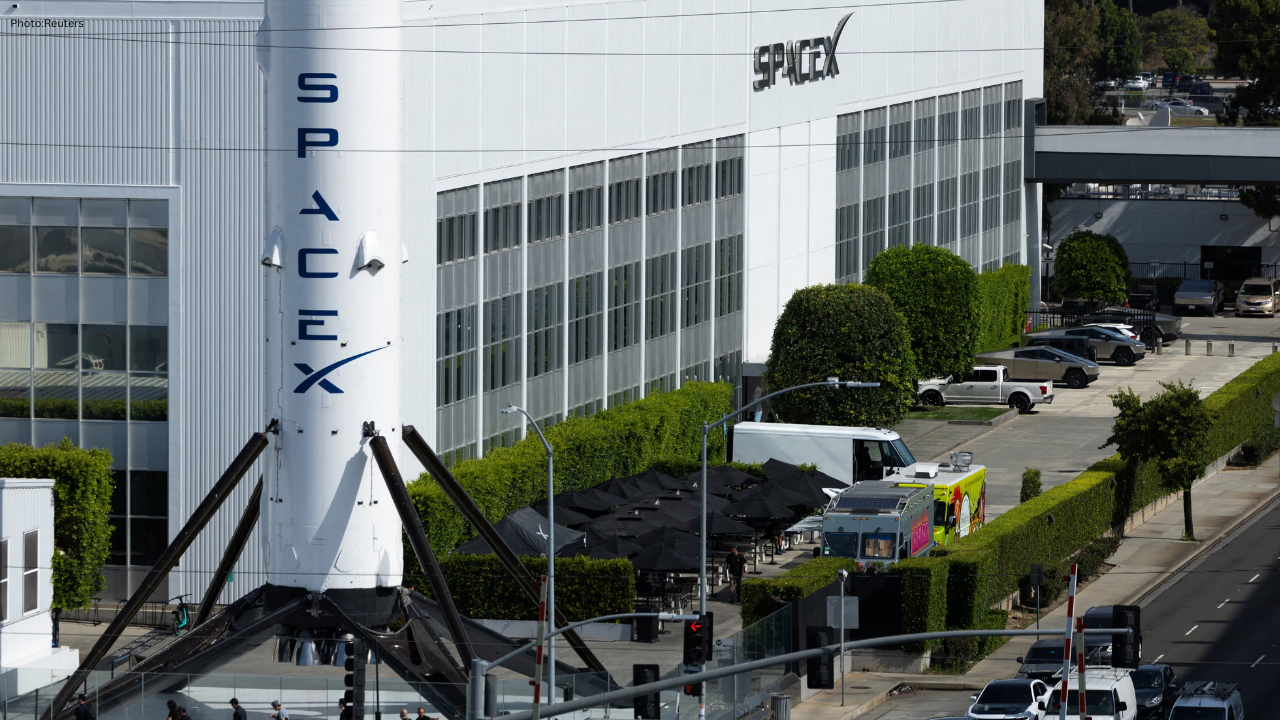
SpaceX is reportedly exploring a major move into the US wireless telecommunications market, with discussions underway to acquire Boost Mobile or gain access to its existing network. According to a report by The Washington Post, the Elon Musk-led company has held talks with telecommunications firm EchoStar in recent months about a potential arrangement that could help it launch its own mobile service. The discussions could represent an important step in SpaceX’s broader ambitions to combine satellite connectivity with traditional mobile network infrastructure. The company is working towards developing Starlink Mobile, a service intended to integrate its satellite constellation with terrestrial networks and compete with established wireless operators in the United States. The potential deal could give SpaceX access to an existing mobile customer base, network infrastructure and a recognised consumer brand. However, the negotiations remain under discussion, and the available report does not confirm that an acquisition or partnership agreement has been finalised.
According to The Washington Post, SpaceX has been in discussions with EchoStar about purchasing Boost Mobile or securing access to its wireless network. Boost Mobile operates under EchoStar and leases network capacity from AT&T and T-Mobile. SpaceX could potentially use the existing arrangement as a starting point for its own wireless service rather than building every component of a mobile business from the ground up. The report, citing people familiar with the negotiations, said SpaceX had explored launching a branded wireless service through a deal with EchoStar. Such an arrangement could allow SpaceX to accelerate its entry into the mobile telecommunications market. Acquiring an established service or gaining network access could provide a more direct route to customers than developing a completely new wireless operation. However, the exact structure of the proposed deal remains unclear. The discussions reportedly include more than one possibility, with an acquisition and network access both being considered. Neither SpaceX nor EchoStar immediately responded to Reuters’ requests for comment, according to the report.
The potential Boost Mobile arrangement is closely connected to SpaceX’s plans for Starlink Mobile. SpaceX has developed a large satellite network through its Starlink programme, which provides internet connectivity using satellites in low Earth orbit. The company is now looking to expand the role of its satellite infrastructure in mobile communications. The proposed hybrid model would combine satellite connectivity with ground-based mobile network infrastructure. This approach could allow SpaceX to use its satellite network alongside conventional telecommunications systems. The broader ambition is to establish a wireless service capable of competing with major US telecom companies, including AT&T, Verizon and T-Mobile. A partnership with EchoStar could help SpaceX secure access to existing mobile infrastructure and customers while it continues developing its satellite-based capabilities. Rather than relying exclusively on satellite connectivity, a hybrid network could bring together different technologies to support mobile communications. The precise services and coverage that SpaceX might eventually offer under a new wireless brand have not been confirmed in the reported discussions.
One of the major attractions of a potential Boost Mobile acquisition or network partnership could be its existing customer base. EchoStar reported having approximately 7.38 million wireless subscribers at the end of the second quarter. The subscriber base primarily included customers of Boost Mobile and Gen Mobile. For SpaceX, access to an established customer base could be a significant advantage as it seeks to enter a highly competitive market. Building a wireless business from scratch typically requires more than network technology. Companies also need customer acquisition systems, distribution channels, customer service operations, billing infrastructure and brand recognition. An agreement with EchoStar could potentially provide SpaceX with some of these foundations, depending on the final structure of any transaction. Boost Mobile already operates in the consumer wireless market, making it a possible platform for SpaceX to expand its presence beyond satellite internet services. The company could use an existing brand and customer base to introduce new connectivity offerings, although the details of any future service remain unknown.
The discussions appear to involve senior leadership from both companies. The Washington Post report said SpaceX chief executive Elon Musk had personally discussed the potential arrangement and met with EchoStar chairman Charlie Ergen last month. The reported meeting suggests that the negotiations have reached a level involving the companies’ top decision-makers. However, it does not necessarily mean that a final agreement is close or that the companies have settled on specific terms. The talks could involve several important issues, including the value of Boost Mobile, the structure of a potential transaction, access to network capacity and the conditions under which existing agreements could continue. Any deal would also need to account for the contractual relationships between Boost Mobile and the telecommunications companies whose networks it currently uses.
A potential acquisition of Boost Mobile may not automatically give SpaceX the right to continue using its existing network arrangements. Boost Mobile leases network access from AT&T and T-Mobile. According to The Washington Post report, any transfer of these arrangements to a new owner could require approval from the two telecommunications companies. This could become a major consideration in negotiations between SpaceX and EchoStar. If the agreements cannot be transferred without consent, SpaceX may need to negotiate separately with the existing network providers or develop alternative arrangements. The issue could influence whether SpaceX chooses to acquire Boost Mobile outright or pursue a network-access agreement instead. The two options may carry different commercial and operational requirements. An acquisition could provide ownership of the business, while a network partnership might allow SpaceX to access selected infrastructure without taking over the entire company. The final decision could depend on regulatory considerations, contractual restrictions, financial terms and SpaceX’s long-term network strategy.
Read Also: Erik ten Hag Warns Manchester United Face Real Relegation Risk
The possibility of SpaceX entering the wireless market has attracted attention from investors. Telecommunications stocks came under pressure following SpaceX’s reported $8 billion spectrum deal, as market participants assessed the potential impact of a new satellite-powered competitor. Spectrum is a critical resource for wireless communications because it enables mobile networks to transmit signals across designated radio frequencies. SpaceX’s broader ambitions could put pressure on established operators if the company succeeds in combining satellite connectivity with conventional mobile services. Investors are watching how the company’s plans might affect competition, customer pricing and the long-term position of existing wireless providers. In premarket trading following the report, EchoStar shares rose approximately 3.4 per cent, while T-Mobile shares declined around 2 per cent. AT&T and Verizon also recorded slight declines.
The US wireless market is dominated by three major operators: AT&T, Verizon and T-Mobile. SpaceX’s potential entry could introduce a competitor with a different technological approach, particularly if its satellite network becomes an integral part of its mobile service. The company’s satellite infrastructure could provide a distinct advantage in certain areas, but building a complete wireless operation would require significant investment. Industry analysts and experts have highlighted several challenges SpaceX would need to address before becoming a major mobile carrier. These challenges include developing ground infrastructure, supporting customers, offering competitive handset subsidies and spending on promotions to attract subscribers. The established operators already have extensive infrastructure, customer support systems and marketing operations. They also have experience managing large wireless customer bases across the country.
Satellite connectivity is only one part of a large-scale mobile service.
To compete with established wireless operators, SpaceX may need to invest substantially in areas such as:
Ground-based telecommunications infrastructure
Customer service and technical support
Mobile handset subsidies
Marketing and promotional campaigns
Subscriber management and billing operations
Network integration and operational systems
These expenses could make the transition from satellite internet provider to full wireless carrier challenging. The existing US telecom companies have spent years developing their infrastructure and customer operations. SpaceX would need to build or acquire similar capabilities while also integrating its satellite technology into the broader network. A potential Boost Mobile deal could help address some of these challenges, but it would not necessarily eliminate the need for further investment. The company’s ability to compete could depend on how effectively it combines its satellite technology with traditional wireless services.
If SpaceX eventually launches a branded mobile service through Boost Mobile or another arrangement with EchoStar, US consumers could see another competitor enter the wireless market. A new service could potentially create more choices for customers, particularly if SpaceX develops offerings that combine satellite connectivity with conventional mobile networks. However, pricing, coverage, service features and launch timelines have not been confirmed in the reported negotiations. Customers should not assume that existing Boost Mobile plans, network coverage or service arrangements will change immediately. Any changes would depend on the outcome of the discussions and the terms of a final agreement. The reported talks are therefore an indication of SpaceX’s potential direction rather than confirmation of an imminent launch or acquisition.
SpaceX’s interest in Boost Mobile highlights the growing importance of satellite technology in the telecommunications industry. The company has already established itself as a major satellite connectivity provider through Starlink. A move into conventional mobile services could broaden its business and bring it into more direct competition with established telecom companies. The proposed arrangement with EchoStar could offer a way to combine satellite infrastructure with an existing wireless business.









SpaceX in Talks to Buy Boost Mobile or Use Its Network
SpaceX reportedly explores a Boost Mobile deal with EchoStar to expand Starlink Mobile and challenge

Erik ten Hag Warns Manchester United Face Real Relegation Risk
Erik ten Hag warns Manchester United face relegation danger after falling to 17th in the Premier Lea

Auqib Nabi Added to India Squad for First Three New Zealand ODIs
Auqib Nabi replaces injured Prasidh Krishna in India's squad for the first three New Zealand ODIs, s

OpenAI Cuts Funding Target by $10 Billion Amid Tech Stock Selloff
OpenAI reportedly reduces its funding target to $20 billion as tech stocks fall, with investors reas

McCullum Backs Harry Brook Despite England's Pakistan Tri-Series Failure
Brendon McCullum backs Harry Brook after England's Pakistan tri-series exit, praising his tactical s

South Korea October Exports Forecast to Surge at Fastest Pace Since 1974
South Korea exports are forecast to surge in October as AI demand, rising memory chip prices and sem