
You have not yet added any article to your bookmarks!
Join 10k+ people to get notified about new posts, news and tips.
Do not worry we don't spam!
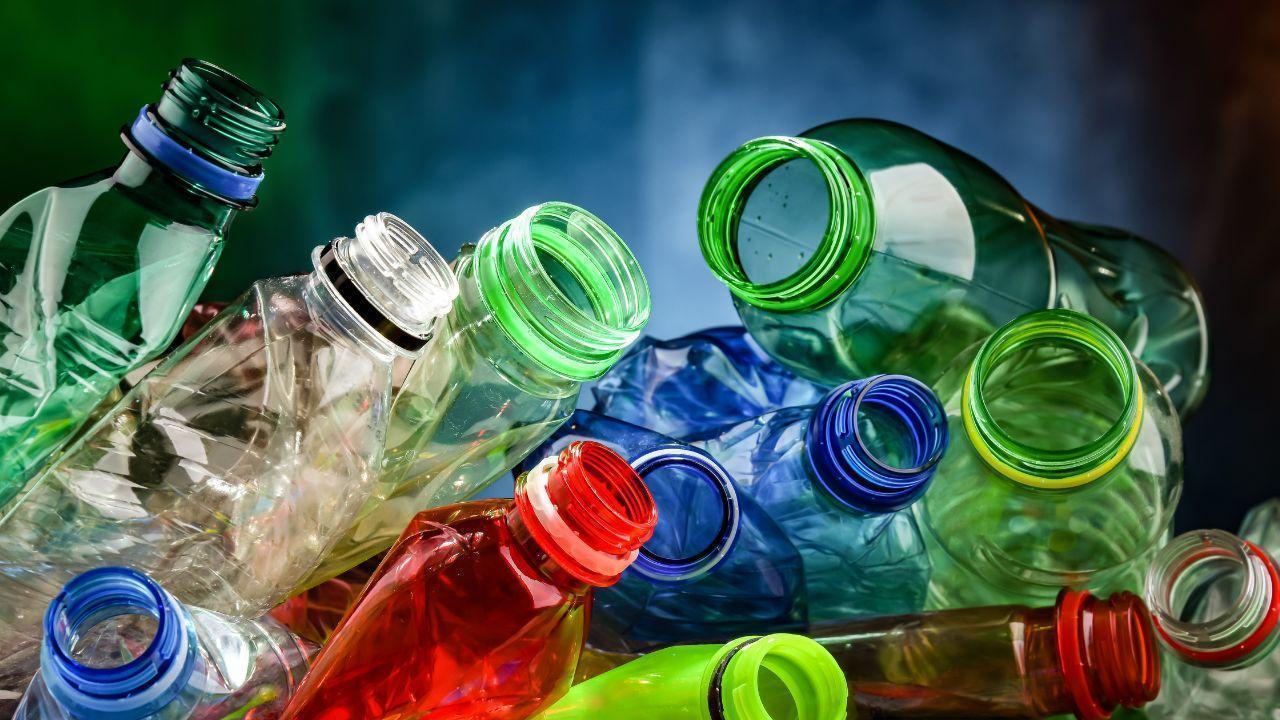
Post by : Anis Farhan
Plastic pollution and pharmaceutical manufacturing share a common flaw: both rely heavily on fossil fuels. Over 450 million tons of PET plastic are produced annually, most languishing in landfills or oceans. Meanwhile, paracetamol (acetaminophen)—one of the world’s most-used painkillers—is created from phenol, a crude-oil derivative. Researchers at the University of Edinburgh have bridged this gap, using synthetic biology to reshape how we view plastic waste.
The team began by redesigning Escherichia coli. Using benign strains, they removed the bacteria's natural ability to synthesize para-aminobenzoic acid (PABA), a vital precursor to folic acid. They then introduced a PET-derived molecule that undergoes a Lossen rearrangement—previously never shown to occur in living cells. The bacteria not only processed this compound into PABA but also thrived on it—proving the reaction worked within a biological context.
Once the team confirmed PABA could be produced biologically from plastic, they took the next step: attaching two genes from other microorganisms that convert PABA into paracetamol. In a single fermentation process, the engineered bacteria converted PET-derived molecules into paracetamol with yields ranging from 83% (raw plastic) to 92% of purified precursor—within just 24–48 hours and without toxic byproducts.
Unlike conventional chemical synthesis or mechanical recycling, this process is:
Energy-efficient: Operates at room temperature and pressure.
Climate-friendly: Generates virtually no CO₂.
Circular: Addresses plastic pollution while producing a valuable pharmaceutical.
Innovative: Uses a microbiological version of a lab-only reaction, the Lossen rearrangement, inside a living cell.
Researchers suggest this model could apply to other drugs, polymers, and agrochemicals—opening a new frontier in sustainable manufacturing.
Experts note challenges before industrial rollout: PET must be preprocessed into feedstock, and yields must remain high in large bioreactors. Chemical engineer Dylan Domaille commented that while the concept is “exciting,” it demands real-world scaling for maximum impact.
The Edinburgh team is partnering with AstraZeneca and others to develop scalable degradation-to-fermentation systems and rigorously assess environmental impact.
This breakthrough lies at the heart of circular economy thinking—blurring boundaries between “waste” and “resource.” It showcases how synthetic biology can blend chemistry and microbiology to create microbial factories capable of producing medicines directly from rubbish.
The ultimate promise: drinking-bottle waste, medical need, and climate action all come together in one elegant process. It isn’t just recycling—it’s upcycling plastic to heal the planet and people.
The University of Edinburgh’s work marks a milestone in green chemistry. By proving a high-yield microbial route from plastic to paracetamol, it reframes pollution as potential. With further development, we could soon see factories brewing medicine from landfills—a true transformation of waste into wellness.
This article is written for informational and editorial purposes by Newsible Asia. The process described is proof-of-concept in small-scale labs as of June 2025. Industrial adoption will require further research, regulatory approval, and environmental validation.










PM Modi Pays Tribute to Mahatma Gandhi, Urges People to Support Khadi
PM Modi pays tribute to Mahatma Gandhi on Gandhi Jayanti and urges citizens to support Khadi and the

Amazon Seeks to Offload $8 Billion in Nvidia Chips to Investors
Amazon plans to move $8 billion in Nvidia chips to investors, using a new financing model to strengt

Samsung Raises Galaxy S26 Prices as Memory Chip Costs Rise
Samsung raises Galaxy S26 prices in South Korea as rising memory chip costs put pressure on smartpho

Lewis Hamilton Calls Singapore Grand Prix One of F1's Toughest Races
Lewis Hamilton discusses the demanding Singapore Grand Prix and brings Plus44 and Almave to Singapor

Denmark's Pandora Opens World's Largest Jewellery Factory in Vietnam
Pandora opens its largest jewellery factory in Vietnam, expanding global production, strengthening s

Gautam Gambhir Questions Batting-Friendly Pitches After India's Record ODI Chase
Gautam Gambhir questions batting-friendly ODI pitches after India’s record chase, calling for a bett

