You have not yet added any article to your bookmarks!
Join 10k+ people to get notified about new posts, news and tips.
Do not worry we don't spam!
Post by : Saif Rahman
Bangladesh is currently experiencing severe political and social upheaval in the wake of the tragic death of student activist Sharif Osman Hadi. His assassination has incited violent demonstrations in various cities, resulting in property damage and escalating concerns about the country's future just weeks ahead of national elections.
At 32 years old, Hadi was a prominent youth activist and spokesperson for Inquilab Mancha, a group positioning itself as a revolutionary political and cultural entity. He became widely recognized during the student-led movement that forced former Prime Minister Sheikh Hasina to flee to India in 2024. Recently, Hadi had emerged as a significant political figure among the youth and was gearing up to run in the upcoming elections.
Last Friday, while launching his election campaign in Dhaka, Hadi was shot in the head by masked assailants, which sent shockwaves through the nation. Initially rushed to a local hospital, he was later airlifted to Singapore for specialized treatment. After enduring six days on life support, he succumbed on Thursday. His death reverberated across Bangladesh, eliciting widespread anger, sorrow, and unrest.
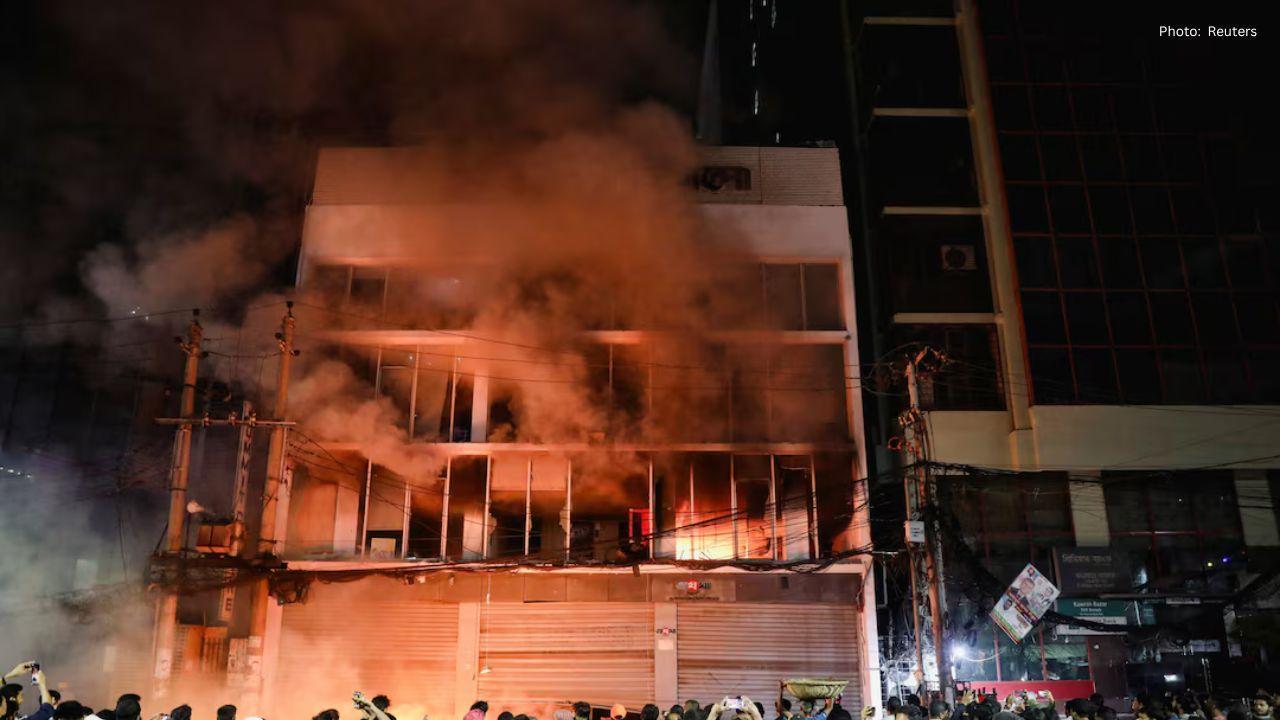
In the immediate aftermath of his passing, protests erupted in Dhaka and other key cities. Large gatherings formed, chanting slogans in Hadi’s honor and demanding accountability. Many demonstrations escalated into violence, resulting in the vandalism of major newspaper offices, including Prothom Alo and the Daily Star. Fires were set, requiring firefighters to intervene and rescue trapped journalists.
Law enforcement and paramilitary units were deployed to regain control, but tensions remained elevated. Streets were barricaded, businesses closed, and daily activities were significantly disrupted in numerous areas. Videos circulated online depicted furious crowds damaging properties and confronting security forces.
The unrest extended well beyond the capital. In Rajshahi, demonstrators used a bulldozer to demolish an Awami League party office. Chittagong protesters targeted the Indian Assistant High Commission and torch a residence associated with a former Awami League education minister. Significant cultural and historical sites were also attacked, like the former home of Sheikh Mujibur Rahman and the cultural institution Chhayanaut in Dhaka.
These disturbing events underscore that the turmoil transcends a single assassination. It exemplifies widespread discontent with politics, stalled reforms, and a rising mistrust of the system. Hadi was vocal in his criticism of India's influence, and his death seems to have intensified anti-India sentiments among protestors. Earlier this week, protests escalated toward the Indian High Commission in Dhaka, with demands for Hasina’s return to stand trial.
Bangladesh is presently under an interim government led by Nobel Peace Laureate Muhammad Yunus, who assumed power following the 2024 uprising with promises to rejuvenate democracy and conduct impartial elections. However, the lag in reforms and persistent political uncertainty have reignited protests. The Awami League faces a ban from the approaching February 12 elections, further igniting political tensions.
In a national address following Hadi’s death, Yunus lamented the incident as a significant blow to Bangladesh's democracy. He urged the populace to maintain calm and warned that violence could jeopardize the fair election process. He pledged a thorough and transparent investigation into the matter, asserting that those responsible would face justice. The government also announced a national day of mourning, with flags at half-mast and special prayers throughout the country.
Nevertheless, many remain disillusioned and furious. Protesters demand prompt arrests and clear outcomes. For numerous young citizens, Hadi’s death symbolizes the dangerous political climate in Bangladesh.
The nation now finds itself at a pivotal juncture. Ongoing violence could undermine democracy, erode press freedoms, and tarnish Bangladesh’s global image. The government’s response must strike a delicate balance between ensuring justice and maintaining peace.
The ramifications of Sharif Osman Hadi’s death leave a profound mark on the country. Whether Bangladesh inches toward stability or descends into further chaos rests on how its leaders navigate these turbulent times.









Lamborghini Catches Fire on Singapore's ECP, Causing Heavy Traffic
A Lamborghini caught fire on Singapore's ECP, causing heavy traffic and bus delays. No injuries were

Bangkok Airport Duty-Free Area Flooded by Pipe Burst
A burst water pipe flooded the duty-free shopping area at Bangkok's Suvarnabhumi Airport on July 16,
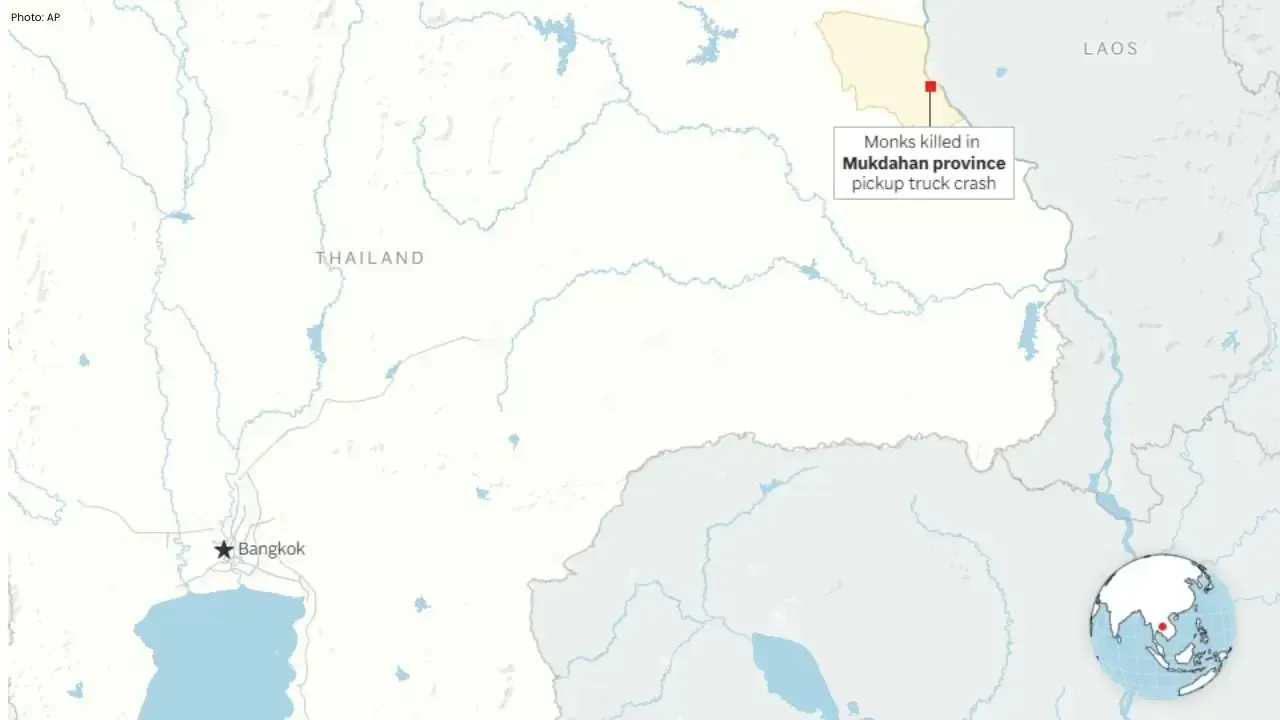
Nine Monks Killed in Thailand Pickup Truck Tragedy
An 11-year-old boy driving a pickup truck crashed into monks during a pilgrimage in northeastern Tha
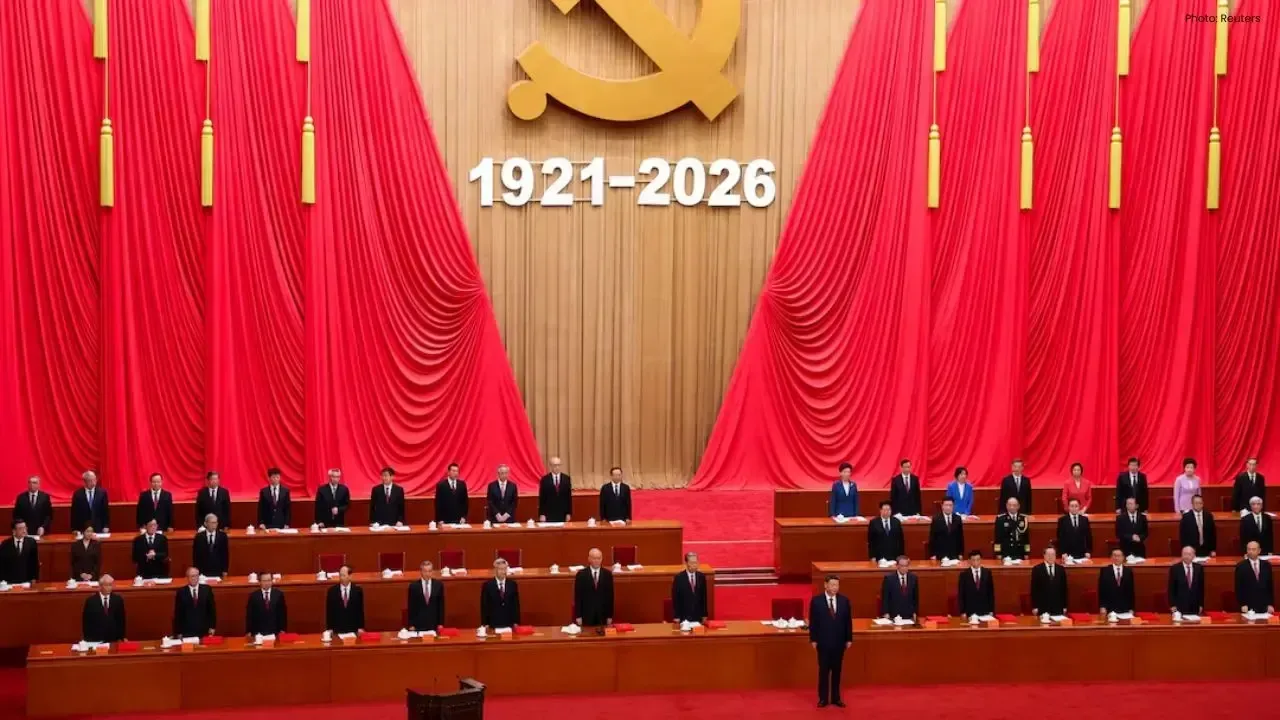
Anwar Congratulates Xi on CPC's 105th Anniversary
Malaysia reaffirms strong ties with China as PM Anwar Ibrahim sends a congratulatory letter to Presi
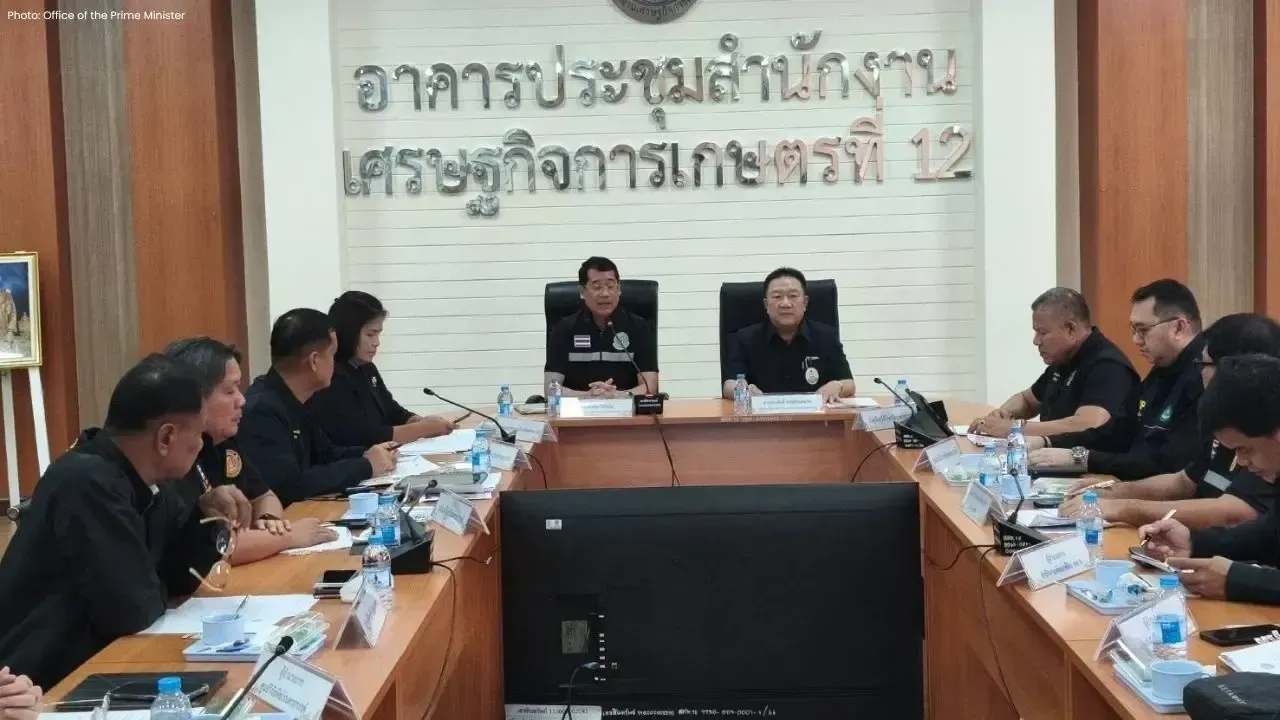
Thai Agriculture Team Reviews 2026 Farm Development Plans
Agriculture Ministry officials inspected livestock and organic rice projects in Nakhon Sawan to moni
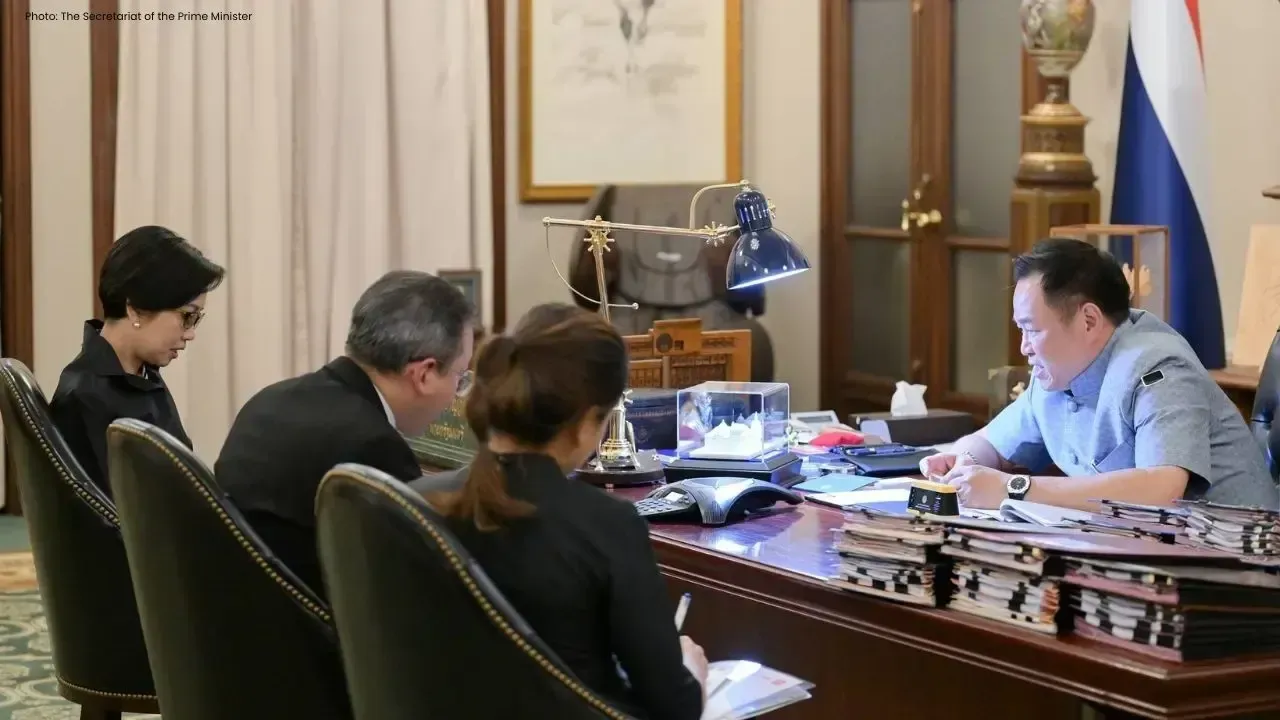
Thailand, Canada Boost Ties in PM-Level Phone Talks
Thailand and Canada agreed to strengthen trade, security, OECD cooperation and ASEAN-Canada FTA talk