You have not yet added any article to your bookmarks!
Join 10k+ people to get notified about new posts, news and tips.
Do not worry we don't spam!
Post by : Saif Rahman
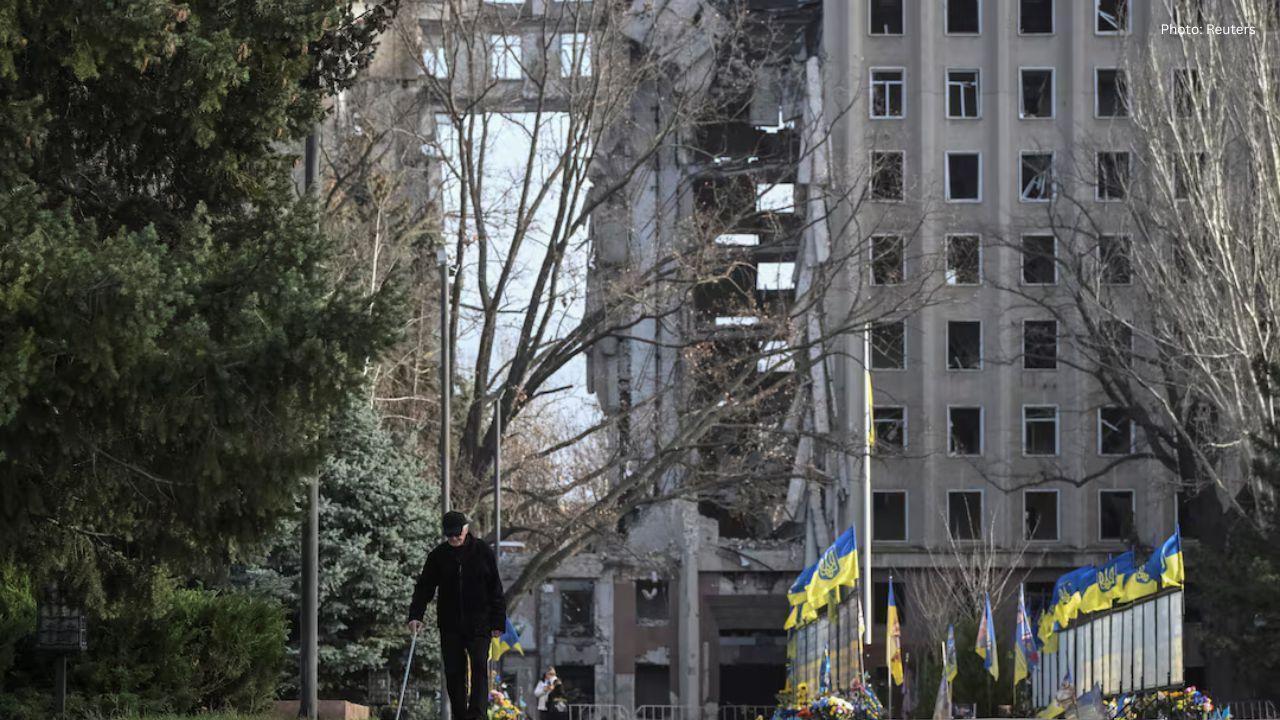
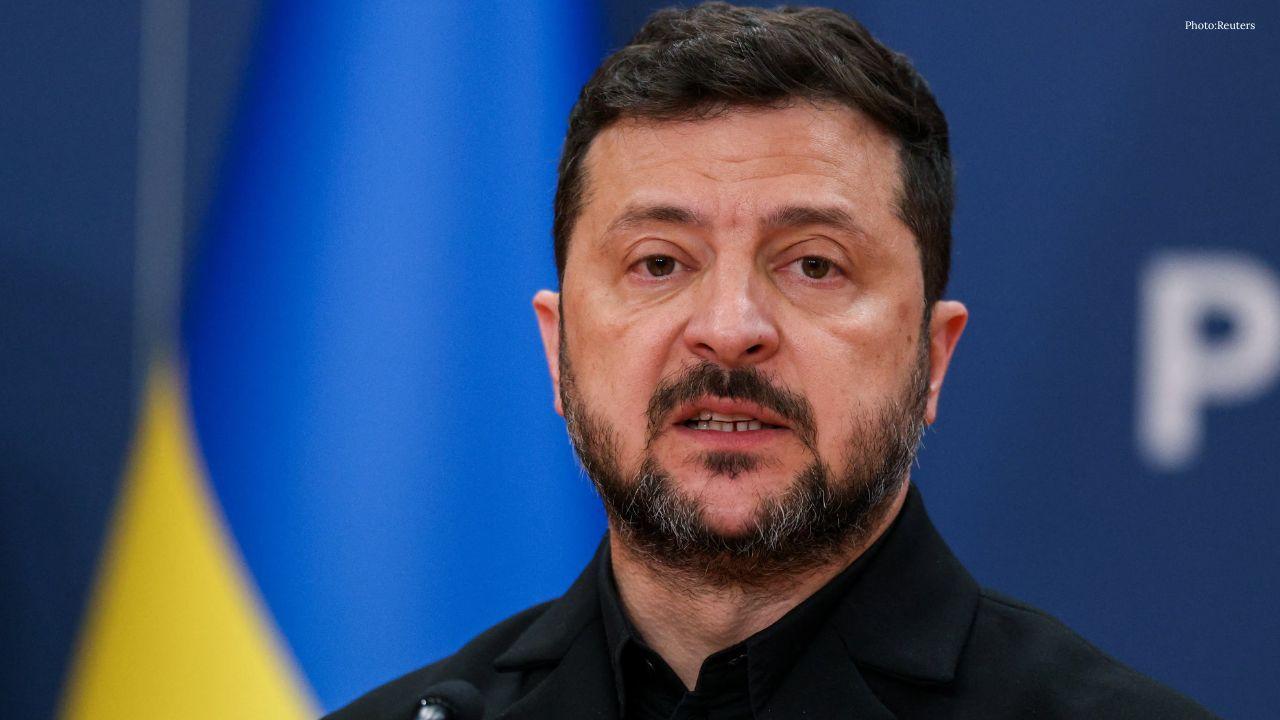
Belgian Prime Minister Bart De Wever has voiced concerns that the European Union’s initiative to utilize frozen Russian state assets to support Ukraine might jeopardize future peace negotiations in the ongoing conflict. His apprehensions have cast uncertainty over the EU's proposal, particularly as Belgium oversees significant Russian assets via Euroclear.
The EU’s plan, spearheaded by European Commission President Ursula von der Leyen, seeks to allocate around 140 billion euros ($162 billion) in frozen Russian central bank reserves to Ukraine, aimed at bolstering Kyiv’s defense and governmental expenses. Nevertheless, during a recent summit, Belgium withheld its backing for this initiative.
In his correspondence to von der Leyen, De Wever cautioned that hastily advancing the reparations financing could hinder prospects for a peace settlement. He pointed out that historically, frozen or immobilized assets were not deployed in such manners during hostilities, typically remaining part of post-war reparations or settlements.
De Wever emphasized the potential for Russian retaliation, including financial claims against Belgium and Euroclear, as Moscow has already hinted at possible responses to the EU's strategy. In addition to Belgium, banks in other EU nations, such as France and Luxembourg, manage approximately 25 billion euros worth of frozen Russian assets.
Belgium has insisted that participation from other countries holding frozen Russian assets, including G7 members like Canada, Japan, the UK, and the United States, be considered in any funding undertaking. De Wever noted that the necessary legal framework for employing these assets has yet to be communicated to Belgium, complicating the nation's ability to evaluate potential risks.
The European Commission is poised to unveil draft legal recommendations addressing Belgium’s apprehensions soon, likely by Friday or over the weekend. EU leaders are looking to deliberate and potentially ratify a proposal at the following summit scheduled for December 18-19.
Although von der Leyen previously indicated alternative financial routes for Ukraine, she remains focused on utilizing frozen Russian assets due to resistance from certain member states against increasing debt levels. De Wever’s position illustrates the EU's ongoing struggle to balance support for Ukraine with legal, financial, and diplomatic challenges.
Belgium’s hesitations reveal the intricate geopolitical and financial dynamics entwined with frozen Russian assets. Acting too hastily could disrupt international relations, provoke backlash, and hinder the ultimate aim of realizing peace in Ukraine.
As EU leaders persist in negotiations, the upcoming weeks will be vital in determining if a consensus can be attained to support Ukraine without jeopardizing the possibilities for a diplomatic resolution with Russia.




Hyundai raises profit target, expands hybrid lineup in the US
Hyundai hybrid cars get a major boost as the automaker raises its profit margin target and plans new

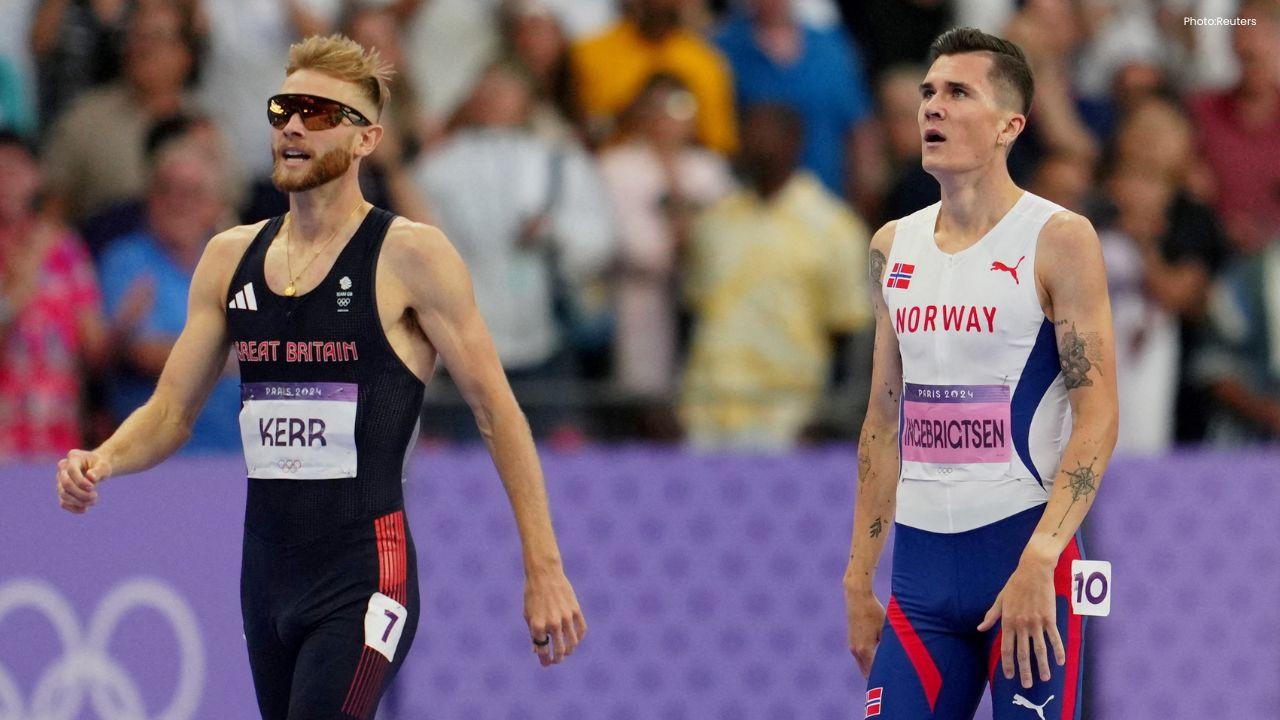
Josh Kerr and Jakob Ingebrigtsen Set for 1,500m Rivalry Rematch
Josh Kerr and Jakob Ingebrigtsen will renew their 1,500m rivalry at the Ultimate Championship in Bud
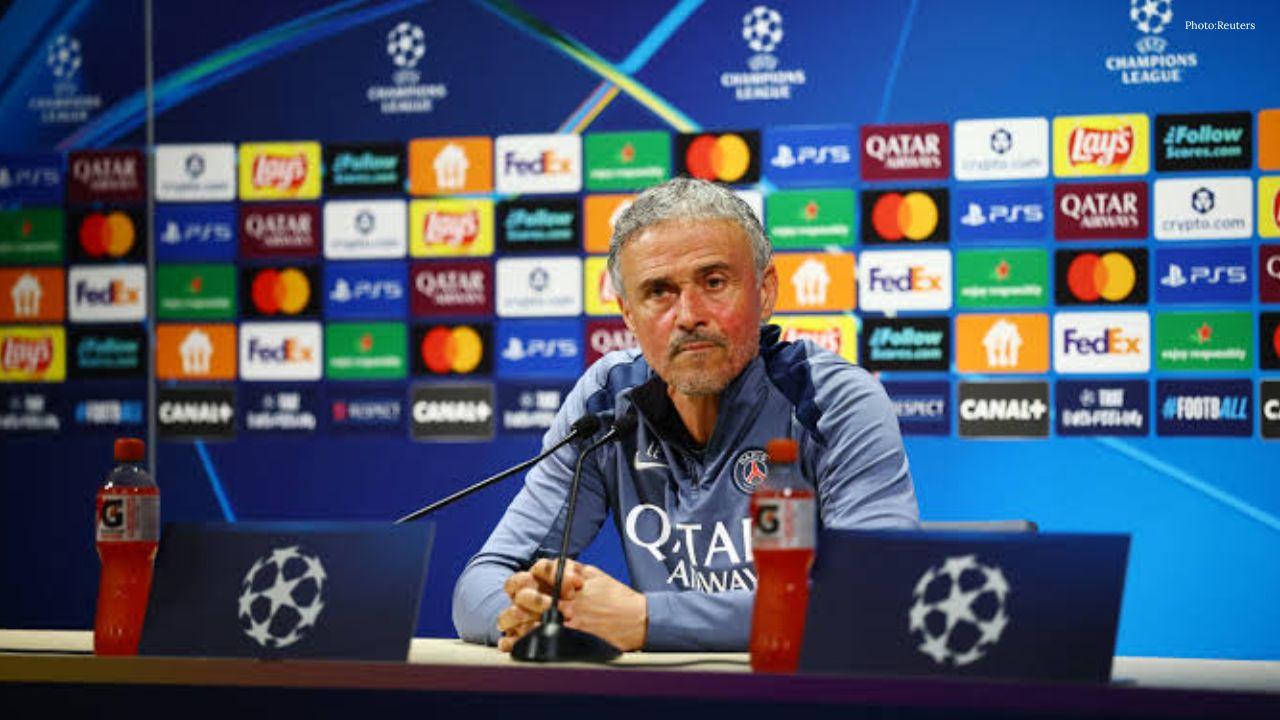
PSG Coach Luis Enrique Urges Players to Step Outside Comfort Zone
PSG coach Luis Enrique says players must leave their comfort zone and keep improving as the club tar

China’s Tiangong Sets New 400m Record at Robot Olympics
China’s Tiangong robot sets a new 400m record at the Robot Olympics, beating a South African robot i
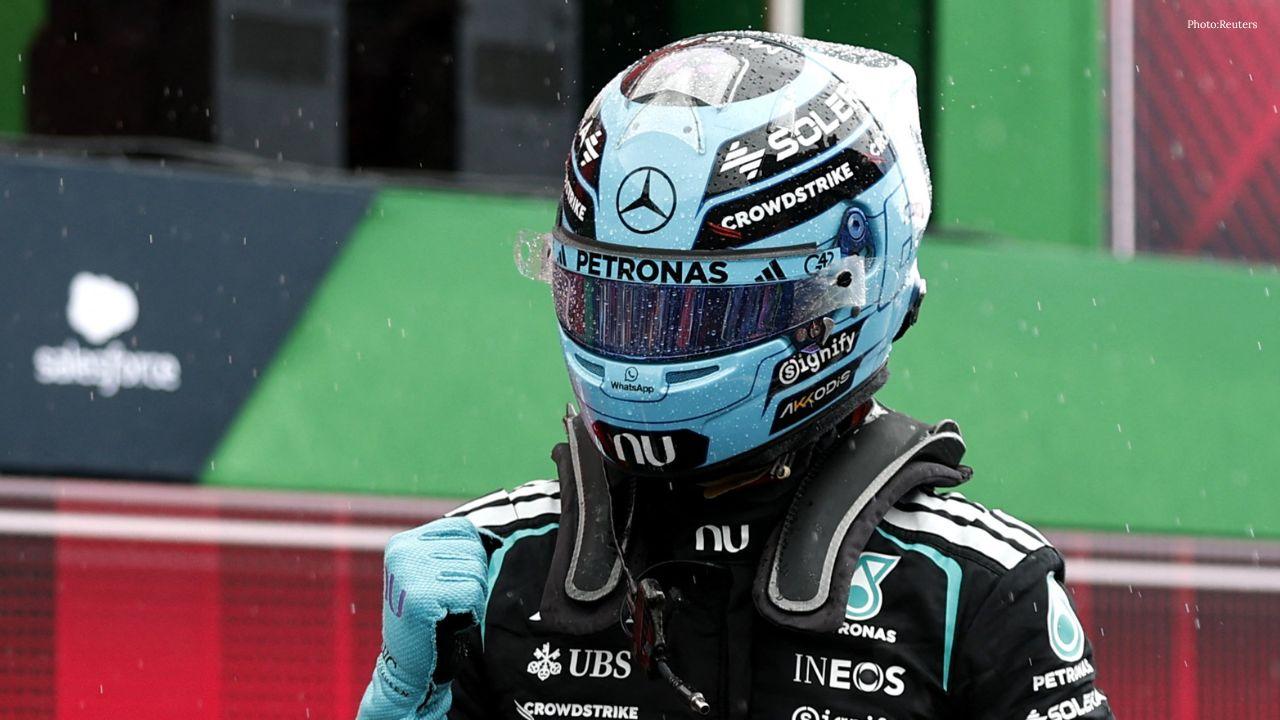
George Russell Wins Dutch GP Sprint, Boosts Mercedes Morale
George Russell wins the Dutch GP Sprint from pole as Mercedes teammate Kimi Antonelli extends his F1
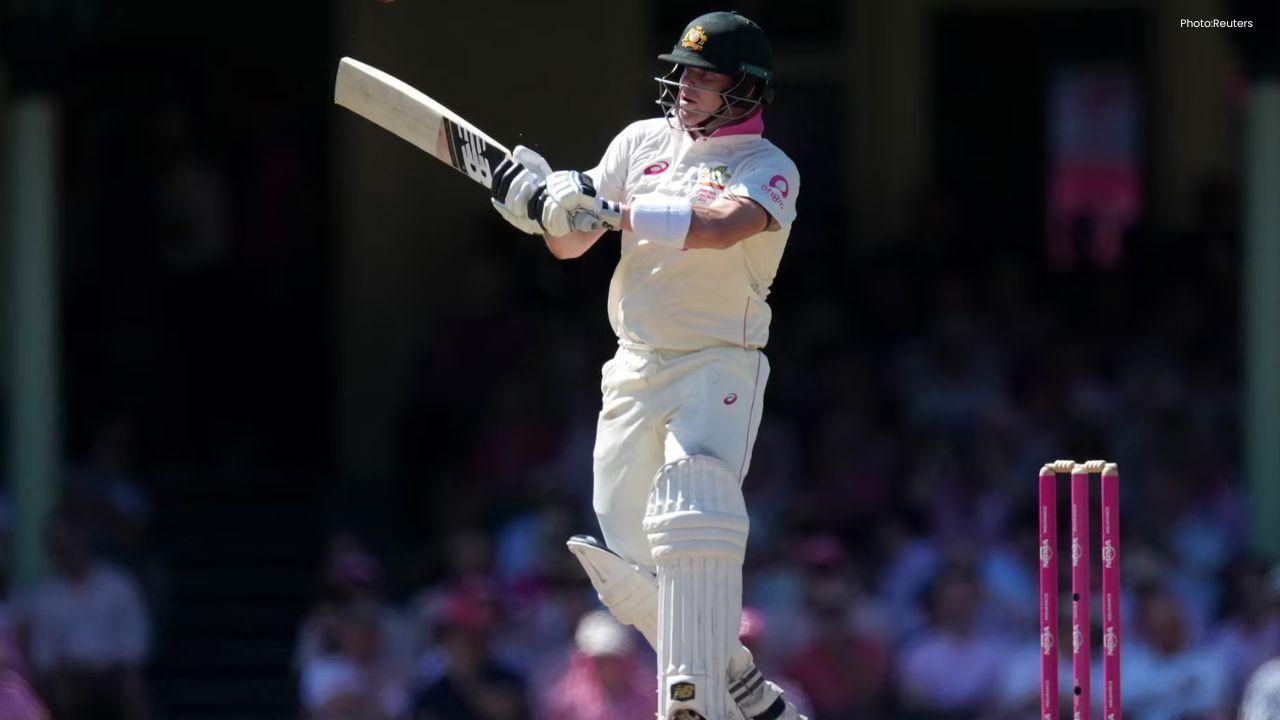
Australia 50/3 After Bangladesh Bowled Out for 64 in Second Test
Australia reached 50/3 after Bangladesh were bowled out for 64 in the second Test, with Mitchell Sta