
You have not yet added any article to your bookmarks!
Join 10k+ people to get notified about new posts, news and tips.
Do not worry we don't spam!
Post by : Shweta
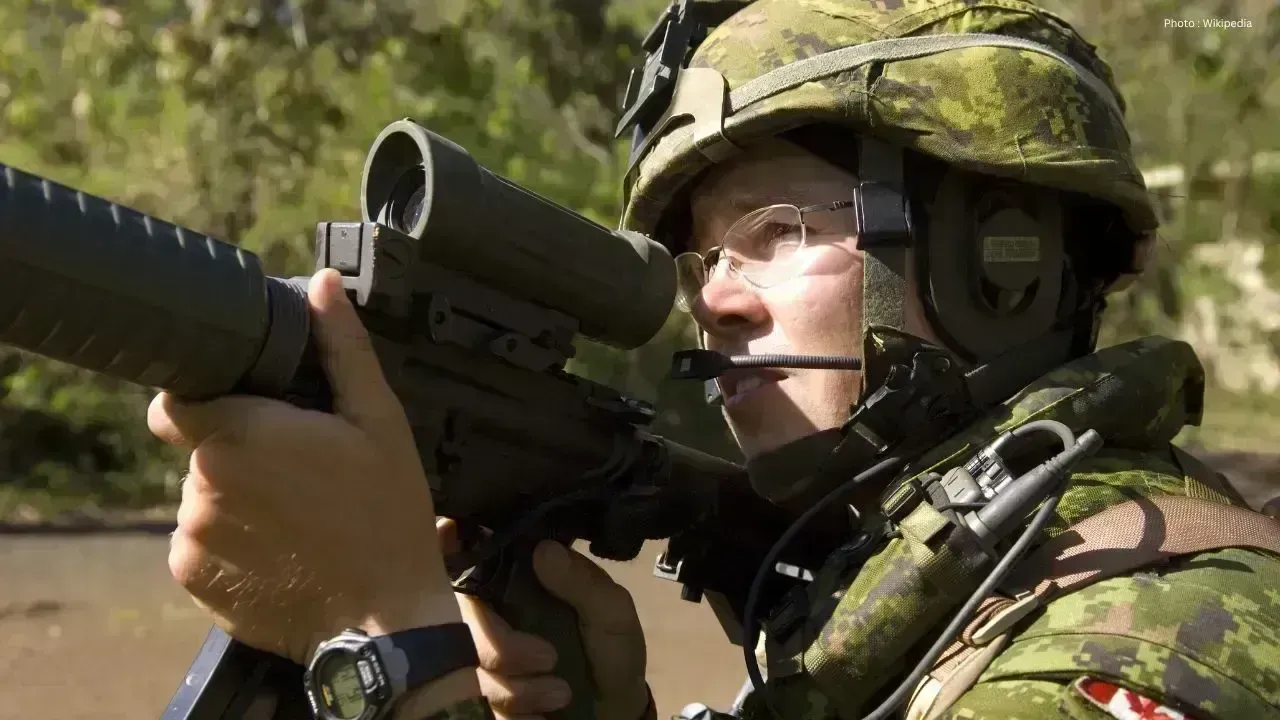
The Canadian government has unveiled plans to fortify its military resilience by investing in skilled trades education, recruitment drives, and modernizing its military infrastructure, outlined in the latest spring economic update.
With an allocation of $250 million over the next five years, the federal government intends to broaden skilled trades training linked to the Canadian Armed Forces. Officials are optimistic that this strategy will tackle two pressing issues: the inadequacy of trained personnel and the increasing demand for modern defence resources.
Finance Minister Francois-Philippe Champagne emphasized the dual aim of enhancing Canada’s defence capabilities while simultaneously aiding workers and the domestic defence sector. The update highlights the intention to associate military service with technical education and workforce development initiatives.
A significant focus of the initiative is on the military reserve force. The new plan allows individuals joining the reserves to receive comprehensive skilled trades education at no cost, in return for a period of service. This approach is seen as a means to attract more Canadians into military roles and address trade shortages nationwide.
The initiative will extend to programs for cadets and Junior Canadian Rangers, offering youth expanded training prospects and a clearer route to accredited skilled trades careers via military-associated education programs.
Officials assert that this initiative aims not just to bolster Canada’s military readiness but also to stimulate the broader economy by increasing the pool of qualified workers in sectors grappling with labour shortages.
This announcement emerges amid ongoing recruitment and staffing challenges faced by the Canadian military, with current statistics revealing significant gaps in personnel numbers for both regular and reserve forces. The expansion of training programs has been hampered by limitations within military educational systems.
Jennie Carignan, Canada’s top military commander, disclosed that efforts are already underway to collaborate more closely with technical schools and community colleges, aiming to alleviate strain on internal training mechanisms. According to Carignan, these partnerships have been beneficial in enhancing technical training offerings for military personnel.
The economic update also proposes the establishment of a new independent body, the Defence Investment Agency, designed to function separately from federal procurement agencies. This agency would be empowered to expedite defence projects and equipment acquisitions, with an investment exceeding $100 million planned over the next five years.
Defence experts view the government's strategy as potentially advantageous, if executed effectively. Dave Perry from the Canadian Global Affairs Institute noted that this initiative could simultaneously boost military recruitment while addressing the deficit of skilled trades professionals in Canada.
However, questions linger regarding management of overall defence expenditures. Critics point out a lack of clarity around the specifics of the financial commitments outlined in the economic update, despite highlights of substantial military investments.
The government has cited funding for military wages, support for Ukraine, Arctic defence enhancements, naval ship production, and new surveillance aircraft endeavors. Some analysts argue that many of these projects were announced prior to this latest financial boost.
The fiscal update also failed to adequately explain how Canada meets NATO’s defence spending goal of two per cent of GDP, a target that member nations have increasingly been urged to fulfill.
Despite the backlash, government representatives affirm that these defense investments represent one of the most significant increases in military spending in decades. They maintain a commitment to building a stronger military while fostering Canadian industries, employment, and sustainable economic progress.
These new initiatives are poised to be phased in gradually over the next few years as Canada continues to enhance its military capabilities and broaden workforce training opportunities throughout the nation.








PM Modi Pays Tribute to Mahatma Gandhi, Urges People to Support Khadi
PM Modi pays tribute to Mahatma Gandhi on Gandhi Jayanti and urges citizens to support Khadi and the

Amazon Seeks to Offload $8 Billion in Nvidia Chips to Investors
Amazon plans to move $8 billion in Nvidia chips to investors, using a new financing model to strengt

Samsung Raises Galaxy S26 Prices as Memory Chip Costs Rise
Samsung raises Galaxy S26 prices in South Korea as rising memory chip costs put pressure on smartpho

Lewis Hamilton Calls Singapore Grand Prix One of F1's Toughest Races
Lewis Hamilton discusses the demanding Singapore Grand Prix and brings Plus44 and Almave to Singapor

Denmark's Pandora Opens World's Largest Jewellery Factory in Vietnam
Pandora opens its largest jewellery factory in Vietnam, expanding global production, strengthening s

Gautam Gambhir Questions Batting-Friendly Pitches After India's Record ODI Chase
Gautam Gambhir questions batting-friendly ODI pitches after India’s record chase, calling for a bett

