You have not yet added any article to your bookmarks!
Join 10k+ people to get notified about new posts, news and tips.
Do not worry we don't spam!
Post by : Meena Ariff
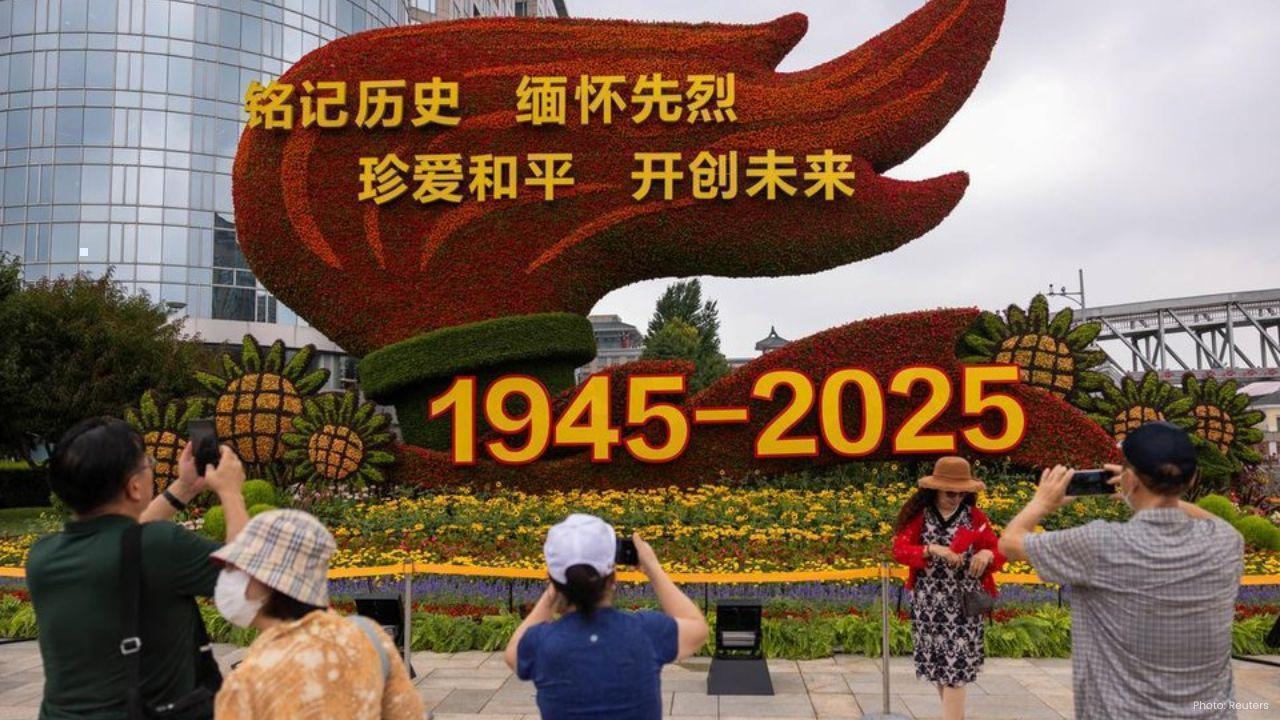
China is preparing to hold a massive military parade in September in the heart of Beijing to commemorate 80 years since the end of World War II, which came after Japan’s surrender in 1945. The event will not only honor history but also display the growing strength of China’s armed forces, attracting global attention and raising mixed feelings among neighbors and Western nations.
The Scale of the Parade
On September 3, Tiananmen Square will become the center of a grand “Victory Day” parade lasting around 70 minutes. Tens of thousands of people, including soldiers, police forces, and citizens, are expected to take part. According to officials, the event will include 45 groups of marching troops, and several foreign leaders and dignitaries will watch the parade from the main stage, along with President Xi Jinping. Among the most notable guests will be Russian President Vladimir Putin, who also joined the 2015 parade in Beijing.
In 2015, China held its first large-scale World War II anniversary parade, where over 12,000 soldiers, supported by contingents from Russia, Belarus, Mongolia, and Cambodia, marched through Beijing. That event also displayed more than 500 pieces of military equipment and 200 aircraft. This year’s parade is expected to be even bigger, with hundreds of aircraft and advanced ground systems on show.
New Weapons on Display
Military officials confirmed that many of the weapons and vehicles in the parade have never been shown to the public before. Fighter jets, bombers, and early-warning aircraft are set to fly over the city. Trucks with anti-drone technology and air-defense systems to protect China’s aircraft carriers are expected to roll through the streets. Analysts believe the highlight will be China’s advanced missile systems, particularly anti-ship weapons and hypersonic missiles designed to counter rival navies.
Wu Zeke, deputy director of the parade, explained that the weapons would showcase China’s ability to adapt to new technology, modern warfare, and the needs of future conflicts. The People’s Liberation Army, he said, is determined to prepare for every challenge and ensure strong defense capabilities.
Symbolism of the Parade
The timing of the parade is symbolic. The event comes exactly 80 years after Japan formally surrendered in 1945, ending World War II in Asia. By holding such a grand military show, China aims to honor the sacrifices of its people during the war while reminding the world of its role as a major power in the victory.
At the same time, the parade is also seen as a demonstration of China’s growing influence and military reach. In recent years, China has invested heavily in modernizing its armed forces, building new ships, aircraft, and missile systems. While the event is meant to celebrate history, it also sends a message about Beijing’s confidence and strength in today’s world.
Reactions from Abroad
Not all countries are comfortable with the display. Many Western leaders avoided the 2015 parade because of concerns that it was less about remembering history and more about showing off China’s military. Japan’s former Prime Minister Shinzo Abe declined to attend, as the parade highlighted the wartime surrender of Japan. Some European leaders, including former German Chancellor Gerhard Schroeder and former British Prime Minister Tony Blair, were present in 2015, but most sitting leaders stayed away.
This time, observers expect similar reactions. While Russia will once again show support with President Putin’s attendance, many other leaders are unlikely to join due to rising tensions in the Asia-Pacific region. The United States and its allies are paying close attention, particularly to China’s missile programs, as they prepare strategies to balance Beijing’s growing influence in the region.
Security Preparations in Beijing
With such a large-scale event, authorities in Beijing are already tightening security. Rehearsals held earlier in August involved tens of thousands of participants. On the weekends of August 9–10 and 16–17, the city saw 22,000 and 40,000 people, respectively, join practice sessions, including troops, police, and local citizens. Roads were closed, checkpoints were set up, and shopping centers and office buildings were temporarily shut down to ensure smooth operations.
The government has promised a safe and well-organized event, making sure that both participants and spectators enjoy the historic occasion without disruption.
Remembering the Past, Looking to the Future
The World War II parade is not only about weapons and soldiers. It is also about remembering the millions of people who suffered during the war and paying respect to those who gave their lives for peace. For China, which endured enormous losses during Japan’s invasion, the anniversary has deep emotional meaning.
By combining remembrance with a modern military showcase, the event highlights how far China has come in the past 80 years. From a nation devastated by war, China has risen to become one of the most powerful countries in the world, with advanced technology and global influence.
Still, the parade reflects more than pride. It also raises questions about how China’s growing strength will shape the future. Neighbors and rivals are watching closely, wondering whether Beijing’s military rise will bring stability or new tensions in the region.
A Historic Event with Global Eyes Watching
As the September 3 date approaches, the world’s attention is firmly on Beijing. The massive parade will be a reminder of history, a tribute to sacrifice, and a demonstration of power all at once. For the people of China, it will be a proud moment of national unity and memory. For the world, it will be a signal of the role China seeks to play in shaping global affairs in the years to come.

Josh Kerr and Jakob Ingebrigtsen Set for 1,500m Rivalry Rematch
Josh Kerr and Jakob Ingebrigtsen will renew their 1,500m rivalry at the Ultimate Championship in Bud

PSG Coach Luis Enrique Urges Players to Step Outside Comfort Zone
PSG coach Luis Enrique says players must leave their comfort zone and keep improving as the club tar

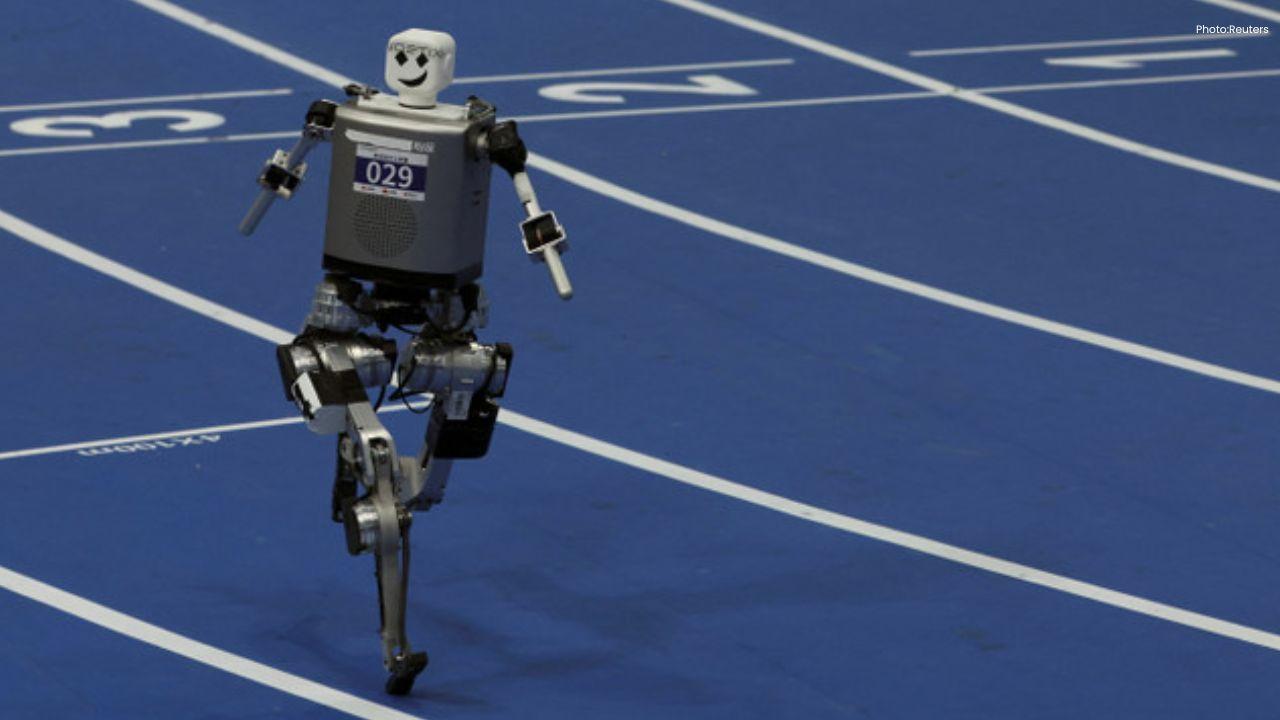
China’s Tiangong Sets New 400m Record at Robot Olympics
China’s Tiangong robot sets a new 400m record at the Robot Olympics, beating a South African robot i
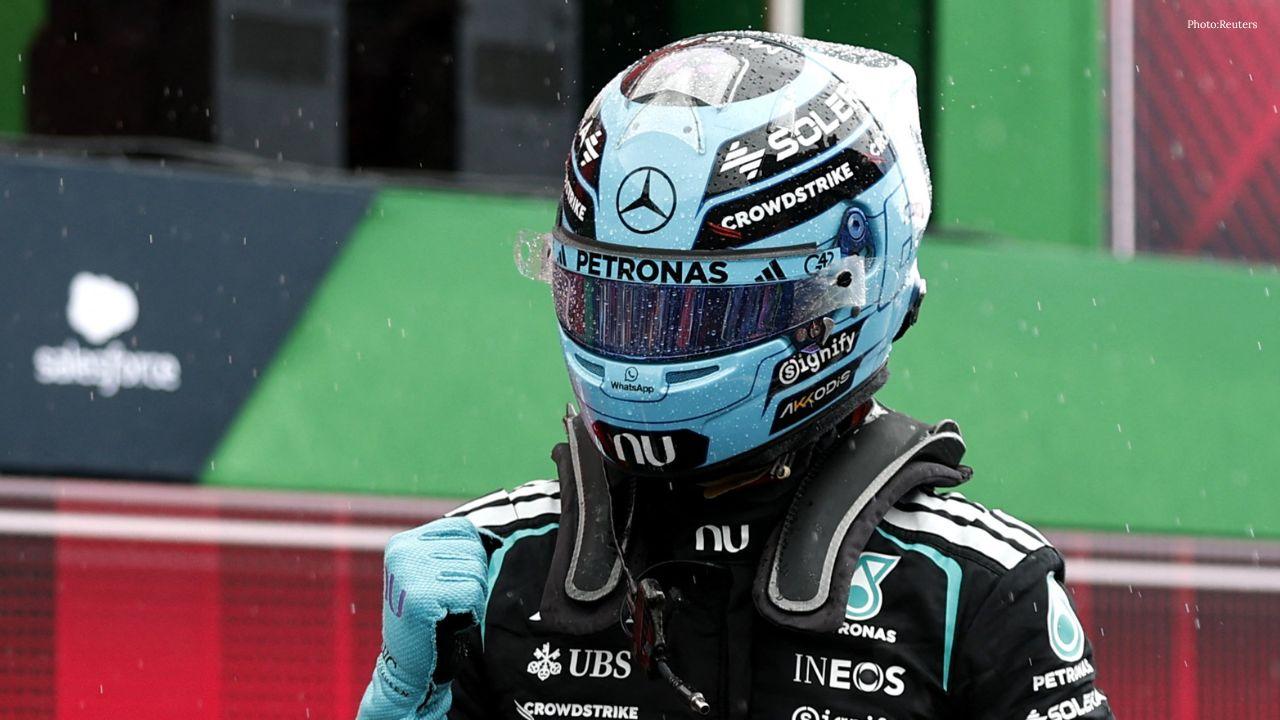
George Russell Wins Dutch GP Sprint, Boosts Mercedes Morale
George Russell wins the Dutch GP Sprint from pole as Mercedes teammate Kimi Antonelli extends his F1
Australia 50/3 After Bangladesh Bowled Out for 64 in Second Test
Australia reached 50/3 after Bangladesh were bowled out for 64 in the second Test, with Mitchell Sta

Jordan Burroughs Returns to Wrestling with 2028 Olympic Dream
Jordan Burroughs returns to wrestling with Real American Freestyle as the Olympic champion eyes a po