
You have not yet added any article to your bookmarks!
Join 10k+ people to get notified about new posts, news and tips.
Do not worry we don't spam!
Post by : Samjeet Ariff
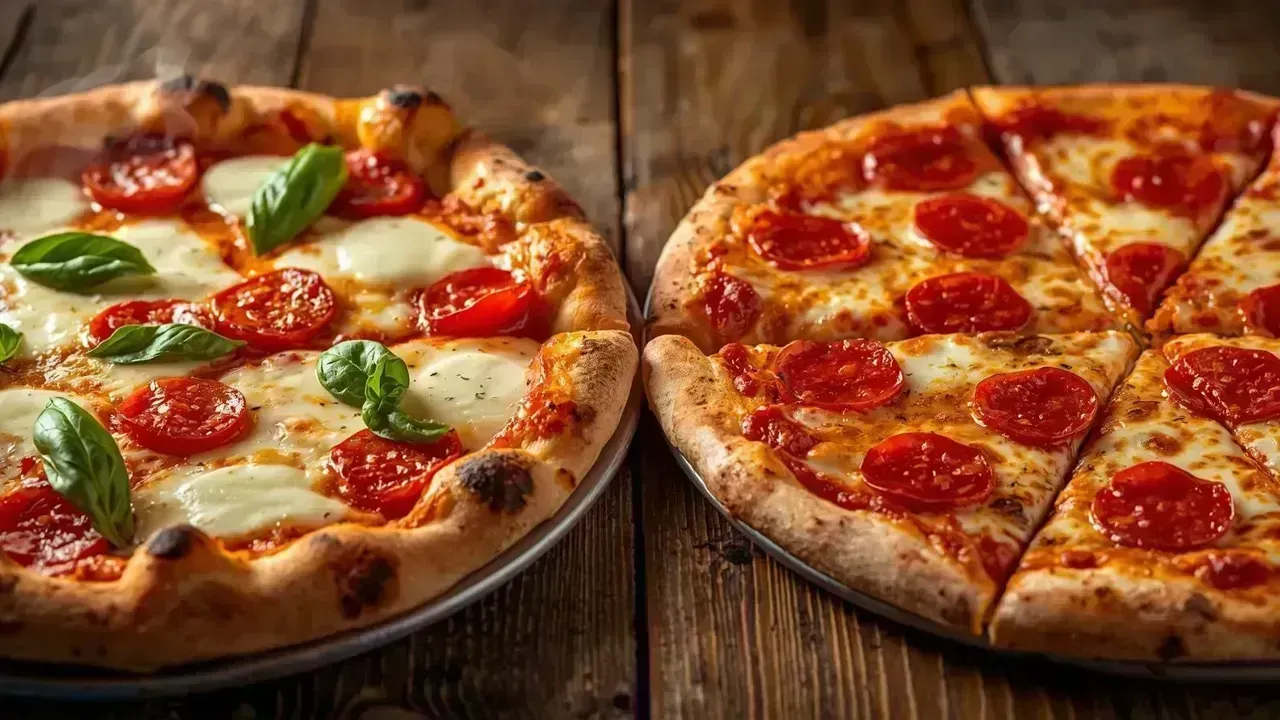
Pizza, a globally cherished dish, sees diverse styles that ignite passionate debates among enthusiasts. Two prominent varieties are Neapolitan pizza from Italy and New York-style pizza from the United States. Despite sharing essential components like dough, sauce, and cheese, their taste, texture, pricing, and overall dining experience significantly differ. This comprehensive comparison delves into the distinctions between Neapolitan pizza and New York pizza, focusing on flavor nuances, cost factors, and prime locations to savor each variant.
Originating in Naples, Italy, Neapolitan pizza is revered as the original style. Initially crafted as basic street fare for laborers, it now enjoys protection under strict authenticity regulations. In contrast, New York pizza evolved from its Neapolitan roots, brought to the US by Italian immigrants in the early 1900s, adapting to local tastes and cooking methods. Neapolitan pizza signifies tradition and culinary artistry, while New York pizza symbolizes convenience and bold urban flavors.
The crust is where the most notable differences lie.
Neapolitan pizza showcases a soft, airy crust with a slightly chewy center, producing a light, charred rim known as cornicione. Its center remains thin, often requiring utensils for consumption.
Conversely, New York pizza sports a thin yet sturdy crust, crispy underneath while being pliable enough for folding. This robustness enables it to support generous toppings without bending.
Neapolitan dough is crafted with fine Italian flour, water, salt, and yeast, undergoing fermentation for depth of flavor. New York's dough typically incorporates oil and sugar, enhancing its crispness and richer profile.
Neapolitan pizza prides itself on high-quality, straightforward ingredients. Its sauce is created from crushed San Marzano tomatoes with a touch of seasoning. Fresh mozzarella, like mozzarella di bufala or fior di latte, melts gently, offering a perfect balance.
In contrast, New York pizza employs a cooked tomato sauce infused with herbs, garlic, and occasionally sugar. The generous use of low-moisture mozzarella results in a gooey, stringy cheese layer often associated with classic pizza.
Neapolitan pizza provides a fresh, light taste, while New York pizza indulges palates with its bold, salty flavor.
Neapolitan pizza is baked at high temperatures in wood-fired ovens for a brief period, creating smoky notes and a tender interior.
New York pizza is prepared in gas or electric deck ovens at lower temperatures for extended durations, leading to a uniformly cooked slice that is crispy on the base yet chewy.
The cooking technique plays a crucial role in determining texture, rendering Neapolitan pizza delicate and soft, while New York pizza is hearty and structured.
Neapolitan pizza emphasizes a delicate balance and ingredient quality. Each bite allows the dough, tomato, and cheese to shine without overwhelming tastes. Despite its softness, it is light and easy to digest.
On the other hand, New York pizza focuses on richness and indulgence, with a more robust sauce and abundant cheese, making it comforting and filling. It's often enjoyed quickly, perfect for fast-paced lifestyles.
While aficionados of subtle flavors may lean towards Neapolitan pizza, those preferring rich, familiar tastes usually opt for New York pizza.
Traditionally, Neapolitan pizza is presented as a personal-sized dish, typically consumed whole by an individual, featuring a smaller diameter yet heftier edges.
In contrast, New York pizza is famous for its substantial slices, typically divided into large, foldable portions that make sharing and carrying easy.
While Neapolitan pizza embodies a sit-down dining experience, New York pizza excels in casual and street food scenarios.
Pricing varies considerably based on location, ingredients, and dining context.
In Naples, authentic Neapolitan pizza is often surprisingly affordable, whereas outside Italy, it can become pricier due to imported ingredients and specific cooking techniques.
New York pizza generally remains budget-friendly, especially by the slice. While whole pies in popular establishments may be pricier, individual slices remain a great value.
Overall, authentic Neapolitan pizza is usually more expensive outside Italy, while New York pizza offers a better economical option for quick, satisfying meals.
Naples, Italy, delights with the finest Neapolitan pizza, where traditional pizzerias comply with strict authenticity standards. Globally, numerous certified pizzerias strive to replicate this style using imported ingredients and wood-fired oven methods.
For genuine experiences, seek establishments focusing exclusively on Neapolitan pizza rather than mixed-style menus.
New York City stands as the ultimate hub for New York-style pizza. Independent, often family-owned pizzerias serve slices steeped in rich historical tradition.
Outside the Big Apple, many cities present New York-style pizza, but the top versions uphold the classic thin crust, generous slices, and traditional cheese-and-sauce harmony.
Neapolitan pizza, featuring fewer ingredients and less cheese, is typically lighter and easier to digest, aided by an extended fermentation period.
Conversely, New York pizza incorporates more cheese and oils, resulting in a richer, more satiating option. It offers a higher caloric value per slice but can satisfy larger appetites more effectively.
Neapolitan pizza appeals to purists, adventurous travelers exploring authentic Italian cuisine, and those who appreciate light, fresh flavors.
In contrast, New York pizza is perfect for casual diners, late-night snacking, and travelers seeking a quick, fulfilling bite without lengthy waits.
Both styles shine in their ways, yet the preference largely rests on individual taste buds rather than inherent quality.
Neapolitan pizza brings tradition and refined flavors, steeped in Italian history. Conversely, New York pizza delivers bold flavors and comfort, tailored for fast-paced lifestyles. Neither is definitively superior; rather, they reflect contrasting philosophies in pizza craftsmanship. Taste-testing both varieties is the best way to appreciate how one dish has blossomed into two beloved global icons.
This article is intended for informational purposes. Pricing, recipes, and accessibility may differ by location and establishment. Personal taste preferences are subjective; readers are urged to explore various pizzerias for an exceptional pizza experience.










Google Signs 3.6-GW Power Deal With Constellation Energy in US
Google signs a 3.6-GW power deal with Constellation Energy, including nuclear power upgrades to supp

Harmanpreet Kaur Steps Down as India Captain Across All Formats
Harmanpreet Kaur steps down as India captain across all formats after a remarkable leadership journe

Michael Bracewell Chooses Casual Contract, Targets BBL Opportunity
Michael Bracewell moves to a casual contract as he eyes a BBL opportunity while remaining available

Tuchel Says Alex Scott Can Challenge Declan Rice for England Midfield Spot
Thomas Tuchel says Alex Scott can challenge Declan Rice for an England midfield place after his impr

Air Quality Turns Unhealthy in Central and Western Singapore Amid Haze
Singapore haze pushes PSI above 100 in central and western areas as smoke from regional hotspots rai

PM Modi Pays Tribute to Mahatma Gandhi, Urges People to Support Khadi
PM Modi pays tribute to Mahatma Gandhi on Gandhi Jayanti and urges citizens to support Khadi and the

