You have not yet added any article to your bookmarks!
Join 10k+ people to get notified about new posts, news and tips.
Do not worry we don't spam!
Post by : Badri Ariffin
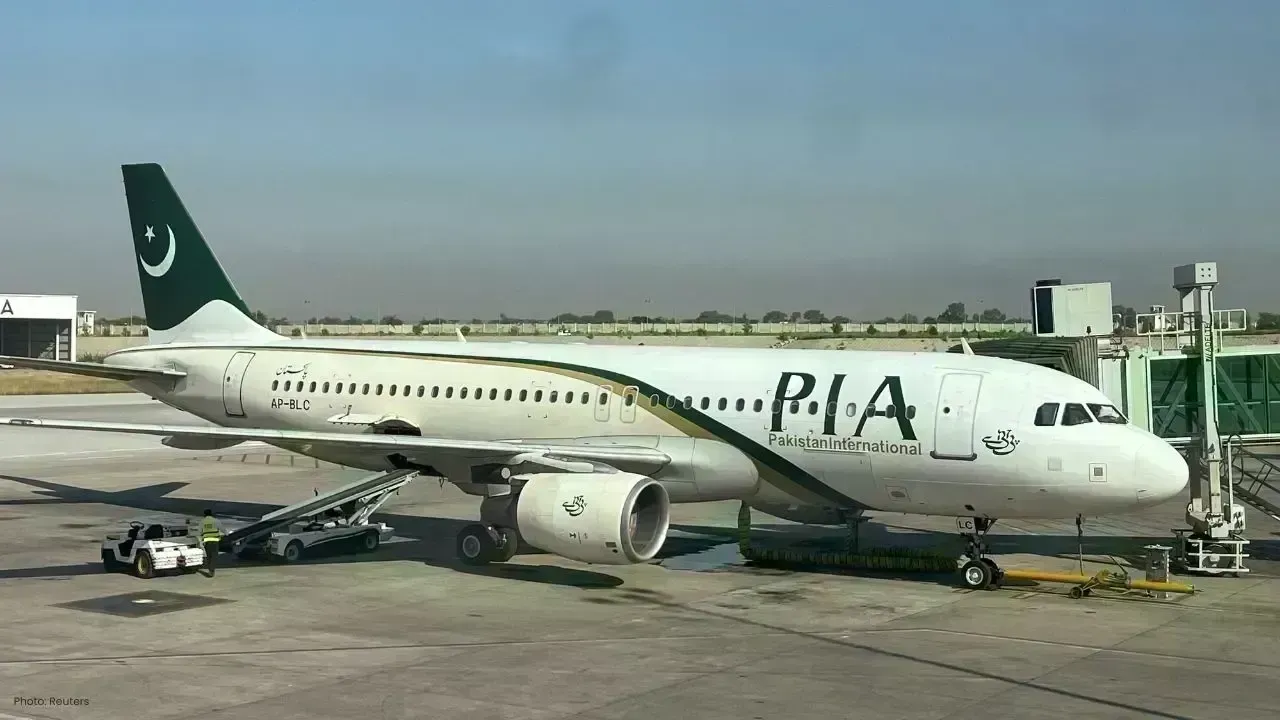
In a significant advancement for privatization efforts, a consortium has successfully acquired a control stake in Pakistan International Airlines (PIA), paving the path for private management expected to commence by April 2026. This strategic move seeks to mitigate the airline's persistent financial losses while alleviating the strain on government resources.
The auction, spearheaded by Arif Habib Corporation, resulted in the consortium winning 75% of PIA with a bid of Rs135 billion ($482 million), surpassing the government's minimum reserve price of Rs100 billion. This positions PIA’s total worth at approximately Rs180 billion, factoring in the remaining 25% share still held by the government.
Robust investor engagement and capital influx
The winning coalition, which includes Fatima, City Schools, and Lake City Holdings, has provisions to add up to two additional partners that meet qualification requirements. Officials highlighted that the structure allows for a foreign airline partnership, which is anticipated to inject both capital and professional know-how into the airline.
Privatization adviser Muhammad Ali mentioned that the arrangement aims to facilitate direct investment into PIA, rather than merely shifting ownership. The framework entails an upfront payment of about Rs10 billion to the government, with the majority of funds earmarked for facilitating PIA's turnaround strategy.
“This method not only bolsters operations but ensures that control changes come alongside performance enhancements,” Ali stated, emphasizing the protective measures in place for public interest.
Approval processes and timelines
The deal is now pending approval from the Privatisation Commission board alongside the federal cabinet. After receiving clearance, contract signing is projected to occur promptly, followed by a financial closure in 90 days as all regulatory conditions are satisfied.
Authorities have established contingency plans, enabling them to approach the next highest bidder if the successful bidder fails to fulfill closing requirements, thereby keeping the process on track.
Ensuring workforce stability and operational continuity
The agreement mandates that the consortium must retain existing PIA staff for a minimum of 12 months, ensuring no alterations to current contracts. Ali noted that workforce levels have already diminished through voluntary separation initiatives, contributing to reduced operational costs.
Allowing for more partners is expected to enhance the consortium's financial strength and improve its access to aviation expertise, critical to reviving international services and enhancing service standards.
Government's commitment to reform
Prime Minister Shehbaz Sharif referred to the successful auction as a pivotal achievement for Pakistan's reformative endeavors, noting that earlier delays in PIA's privatization had placed significant pressure on public finances. The implemented bidding process brought the required transparency to propel progress.
Sharif expressed his personal involvement with potential bidders to address procedural challenges, ensuring the adherence to the December 23 deadline. Officials are optimistic that the smooth execution of this deal enhances confidence in upcoming privatization undertakings.
The government intends to leverage the fiscal leeway created by reduced losses to concentrate on development expenditures, fortifying the nation's financial stability.
Investment needs for routing and fleet
Defense Minister Khawaja Asif remarked that restructuring efforts have already regained access to crucial international routes. Presently, PIA operates flights to locations such as Manchester and has permissions secured for Birmingham, London, and New York, among others in Europe.
Nonetheless, a deficit in aircraft availability hampers growth. Asif underlined the significance of fresh investments for expanding the route network, modernizing the fleet, and reclaiming lost market share.
Current estimates suggest PIA faced annual losses of about Rs35 billion prior to restructuring. Officials conveyed that the existing transaction model retains value by merging capital inputs with partial ownership retention by the state.
Broad privatization strategies ahead
Asif emphasized the critical need for privatization to stabilize public finances, citing the accumulated losses across state-owned enterprises. He indicated that further asset sales are in the pipeline, particularly targeting sectors where ongoing losses drain national resources and hinder investment.
With PIA's handover now on a definitive timeline, the government views this transaction as a potential benchmark for future reforms, signaling a revitalization in Pakistan's privatization strategy.







PSG Coach Luis Enrique Urges Players to Step Outside Comfort Zone
PSG coach Luis Enrique says players must leave their comfort zone and keep improving as the club tar

China’s Tiangong Sets New 400m Record at Robot Olympics
China’s Tiangong robot sets a new 400m record at the Robot Olympics, beating a South African robot i

George Russell Wins Dutch GP Sprint, Boosts Mercedes Morale
George Russell wins the Dutch GP Sprint from pole as Mercedes teammate Kimi Antonelli extends his F1
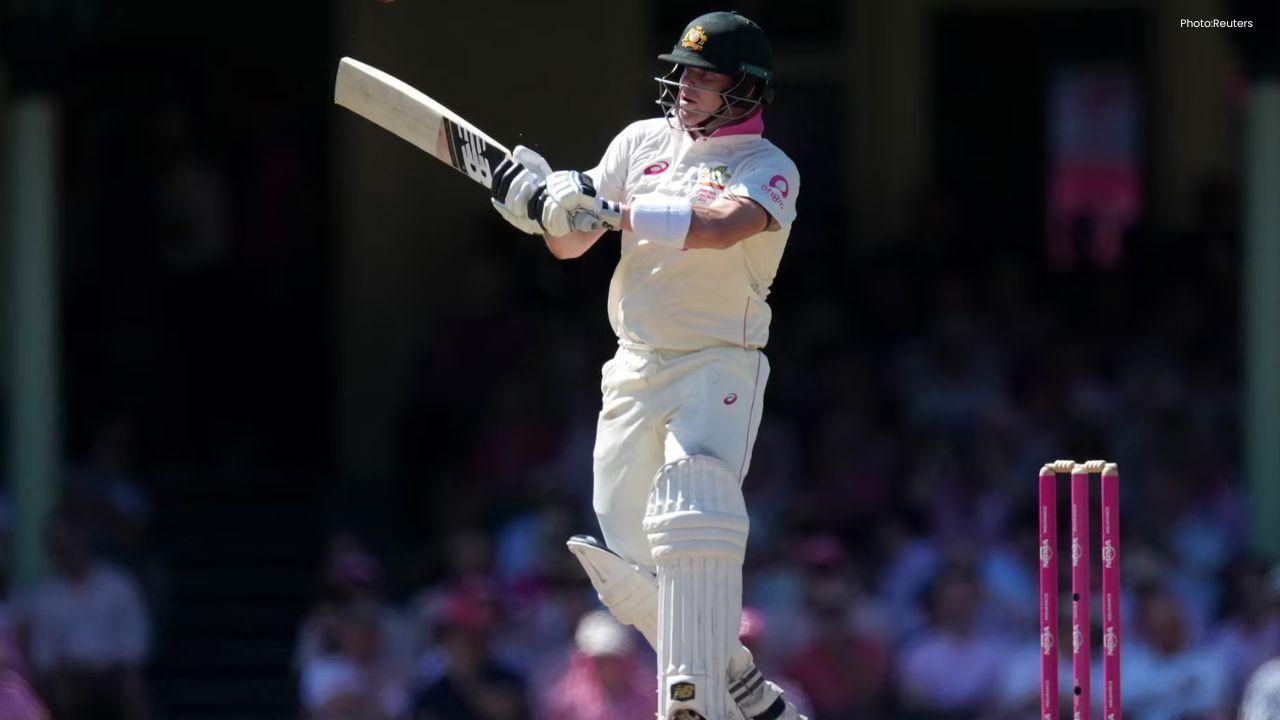
Australia 50/3 After Bangladesh Bowled Out for 64 in Second Test
Australia reached 50/3 after Bangladesh were bowled out for 64 in the second Test, with Mitchell Sta

Jordan Burroughs Returns to Wrestling with 2028 Olympic Dream
Jordan Burroughs returns to wrestling with Real American Freestyle as the Olympic champion eyes a po

Lamborghini Catches Fire on Singapore's ECP, Causing Heavy Traffic
A Lamborghini caught fire on Singapore's ECP, causing heavy traffic and bus delays. No injuries were